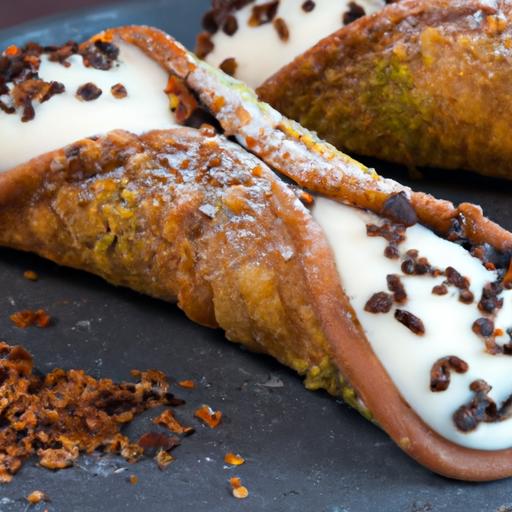

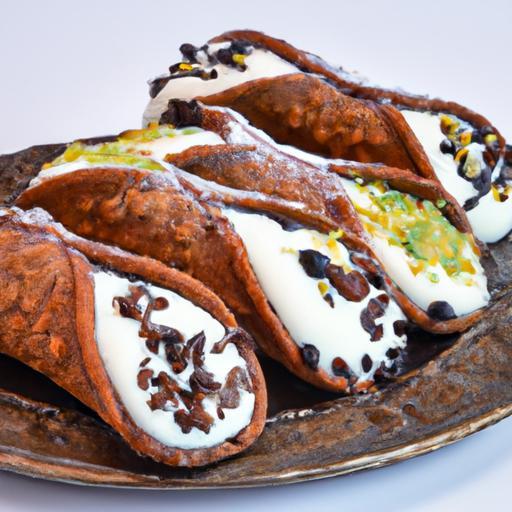
Beneath the golden sunshine of Italy’s sun-drenched streets lies a treasure of taste and tradition: the cannoli. More than just a dessert, these crisp, creamy confections carry the whispers of centuries past, weaving together history, culture, and the artistry of Sicilian pastry chefs. In “Cannoli Chronicles: The Sweet Story Behind Italy’s Iconic Treat,” we embark on a delectable journey to uncover the origins, evolution, and enduring charm of Italy’s beloved cannoli-an edible emblem of indulgence that continues to captivate palates around the world. Join us as we explore how this humble shell and luscious filling became a symbol of celebration, family, and the irresistible allure of italian sweetness.
Cannoli Chronicles brings you deep into the heart of a Sicilian treasure where tradition and taste converge in each crisp shell filled with velvety cream. This iconic Italian dessert has evolved over centuries, shaped by history, regional pride, and artisan skill, inviting home cooks to recreate its magic. Whether you’re savoring your first cannoli or perfecting the craft, understanding the origins and mastering the shell and filling unlocks a celebration of culture and flavor worthy of any table.
Prep and Cook time
- Preparation: 40 minutes
- Resting dough: 30 minutes
- Frying: 15 minutes
- Filling preparation: 15 minutes
- Total Time: Approximately 1 hour 40 minutes
Yield
Yields 12 classic cannoli, enough to enchant a gathering or delight a family dessert.
Difficulty Level
Medium – requires some practice with dough handling and frying, but well worth the rewarding taste and texture.
Ingredients
- For the Cannoli Shells:
- 2 cups all-purpose flour, sifted
- 2 tablespoons granulated sugar
- 1/2 teaspoon ground cinnamon
- 1/4 teaspoon salt
- 2 tablespoons unsalted butter, chilled and cubed
- 1 large egg yolk
- 1/2 cup dry white wine (such as marsala or Pinot Grigio)
- Vegetable oil, for frying (about 4 cups)
- For the Classic Ricotta Filling:
- 2 cups whole milk ricotta, drained overnight in cheesecloth
- 3/4 cup powdered sugar, sifted
- 1 teaspoon pure vanilla extract
- 1/2 cup mini chocolate chips or finely chopped dark chocolate
- Optional: 1 tablespoon candied orange peel, finely chopped
Instructions
- Make the dough: Combine flour, sugar, cinnamon, and salt in a large bowl. Cut in the butter until the mixture resembles coarse crumbs.
- Add the egg yolk and gradually pour in the white wine, mixing until a firm dough forms. Knead gently on a floured surface until smooth, about 5 minutes.
- Wrap dough in plastic wrap and rest for at least 30 minutes to relax the gluten.
- Prepare the filling: In a medium bowl, whip the drained ricotta with powdered sugar and vanilla until smooth and light. Fold in chocolate chips and optional orange peel. Refrigerate until use.
- Shape the shells: Roll out dough very thin (about 1/8 inch) and cut into 4-inch diameter circles. Wrap each circle around a greased metal cannoli tube, sealing edges with a bit of water.
- Fry the shells: Heat oil to 350°F (175°C) in a deep pot. Fry shells holding the tubes carefully,turning often,until golden and crisp,about 2-3 minutes per side.
- Drain shells briefly on paper towels, then gently slide off cannoli tubes and cool entirely.
- Fill the cannoli: Just before serving, pipe or spoon the ricotta filling into each shell from both ends to avoid sogginess.
Chef’s Notes: Elevate Your Cannoli Chronicles Experience
- Ricotta Quality: Key to perfect filling-always choose fresh, whole milk ricotta and allow it to drain well to avoid watery cream.
- Choice Fillings: Try mascarpone with honey and crushed pistachios or lemon-infused pastry cream for a citrus twist.
- Shell Variations: For a nutty edge, add finely chopped pistachios to the dough or dust shells with powdered sugar and cocoa powder before filling.
- Make-Ahead Tips: Shells can be made and fried up to 24 hours in advance and stored in an airtight container. Fill just before serving to maintain crunch.
- Frying Caution: Maintain steady oil temperature; too hot burns shells, too cool makes them greasy.
Serving Suggestions
Present your cannoli nestled on a platter dusted lightly with powdered sugar. garnish ends with chopped pistachios, extra chocolate chips, or candied orange peel for color and texture contrast. pair with a robust espresso or a glass of Sicilian Moscato to highlight the dessert’s sweet, crunchy, and creamy harmony.

| Nutritional Component | Per cannoli (Approx.) |
|---|---|
| Calories | 320 kcal |
| Protein | 6 g |
| Carbohydrates | 35 g |
| Fat | 15 g |
Explore more artisanal Italian desserts in our Ultimate italian Desserts Guide and learn about the rich tapestry of culinary history on Sicily Travel’s official page.
Q&A
Q&A: Cannoli Chronicles - the Sweet Story Behind Italy’s Iconic Treat
Q1: What exactly is a cannoli?
A1: Picture a crisp, golden tube of fried pastry dough, lovingly filled with a luscious, creamy ricotta filling-frequently enough kissed with hints of vanilla, chocolate chips, or candied citrus. That’s a cannoli, Italy’s beloved dessert that offers a perfect crunch-to-cream ratio in every bite.
Q2: Where did cannoli originate?
A2: Cannoli hail from the sun-soaked island of Sicily, where these treats were traditionally crafted during Carnevale, the pre-Lenten festival. Their roots trace back to Arab influences in the Mediterranean, blending culinary traditions into a unique symbol of Sicilian sweet artistry.
Q3: Why is the filling typically ricotta, and not something else?
A3: Ricotta’s delicate, slightly sweet flavor and silky texture make it an ideal partner for the crunchy shell. Its freshness balances the richness of the fried pastry,creating a harmonious dance of textures and tastes. Plus, ricotta was a common cheese in Sicily, making it a natural choice for local bakers.Q4: How did cannoli evolve over time?
A4: Originally a festival treat, cannoli have transcended their seasonal roots to become year-round delights enjoyed across Italy and beyond. Modern variations may include mascarpone blends, pistachio toppings, or even chocolate-dipped shells, but the heart of the recipe remains delightfully customary.
Q5: Is there any symbolic meaning behind cannoli?
A5: Beyond their irresistible flavor, cannoli historically embodied fertility and prosperity, especially during Carnevale. The tubular shape is said to represent vitality, while the indulgent filling celebrates abundance-a sweet wish for good fortune wrapped in a crispy shell.
Q6: How should one enjoy an authentic cannoli?
A6: Best savored fresh, ideally from a Sicilian pasticceria where the shell’s crunch remains vivid and the filling is still cool and creamy.Avoid letting it sit too long-the pastry can soften, and the magic of contrast fades. Bite in, savor the textures, and let the centuries-old tradition delight your palate!
Q7: Can cannoli be found outside Italy?
A7: Absolutely! Thanks to Italian immigrants, cannoli have journeyed worldwide, popping up in bakeries from New York to Sydney. While variations abound, authentic recipes strive to honor their Sicilian heritage, making the cannoli a global ambassador of Italy’s rich culinary tapestry.
Dive into the cannoli chronicles, and you’ll discover more than just a dessert-you’ll taste history, culture, and an enduring Italian passion for sweet perfection.Buon appetito!
Wrapping Up
As we close the pages on the Cannoli Chronicles, one thing becomes clear: this iconic Sicilian treat is far more than just a sweet indulgence. It is a symbol of tradition, craftsmanship, and the vibrant spirit of Italy’s culinary heritage. From humble beginnings to its place on dessert menus worldwide, the cannoli carries with it stories of family kitchens, regional pride, and timeless artistry. So, the next time you savor that crisp shell brimming with creamy ricotta, remember-you’re tasting a flavorful piece of history, wrapped in a golden, crunchy embrace. Buon appetito!