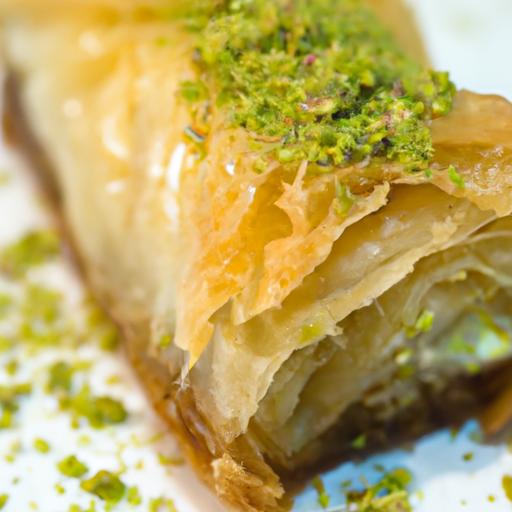

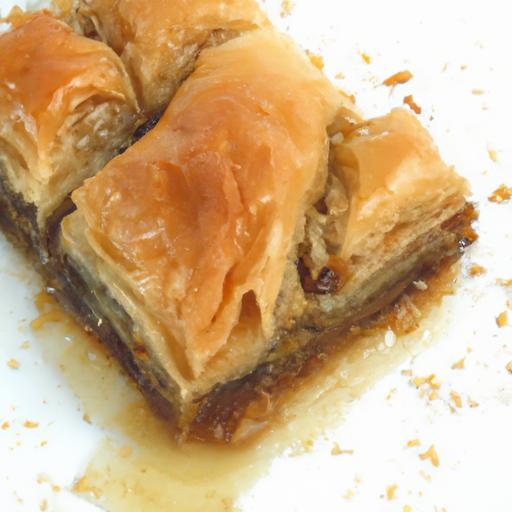
In the world of desserts, few treats sparkle with the timeless allure adn intricate craftsmanship of baklava. This golden-hued mosaic of crisp phyllo layers, fragrant nuts, and honeyed syrup is more then just a sweet indulgence-it’s a appetizing emblem of Greek heritage and culinary artistry. “Mastering Baklava: A Sweet Guide too Greek Dessert Magic” invites you on a journey through the history, techniques, and secrets behind this beloved pastry. Whether you’re a curious novice or an adventurous home baker, prepare to unlock the magic that transforms humble ingredients into a symphony of flavors and textures that has enchanted palates for centuries.
Mastering baklava is a deeply rewarding journey into the rich heritage of greek dessert magic, where crisp phyllo dough melds seamlessly with vibrant nuts and aromatic spices, all crowned by a luscious honey syrup that elevates every bite. This section unravels the secrets behind each essential element, empowering you to create layers of flaky perfection blended with authentic, vibrant flavors.
Prep and Cook Time
- Planning: 45 minutes
- Cooking: 50 minutes
- Total Time: 1 hour 35 minutes
Yield
Serves 12 rich, decadent portions
Difficulty Level
Advanced – Requires patience and attention to detail, but utterly worth the effort.
Ingredients
- Phyllo dough: 1 package (16 oz), thawed carefully in the refrigerator
- Unsalted butter: 1 ½ cups (3 sticks), melted
- Walnuts: 2 cups, finely chopped
- Pistachios: 1 cup, finely chopped
- Ground cinnamon: 2 tsp
- ground cloves: ½ tsp (optional but traditional)
- Caster sugar: ½ cup (for nut mixture)
- Water: 1 cup (for syrup)
- Honey: ⅔ cup (preferably Greek thyme honey)
- Lemon juice: 2 tbsp, freshly squeezed
- Orange blossom water: 1 tsp (optional, for an authentic floral aroma)
Understanding the Art of Perfect Phyllo Dough Handling
Phyllo dough is the soul of baklava’s delicate texture and achieving flawless layers begins with patience. Keep the sheets covered with a damp kitchen towel as you work to prevent drying and cracking. Gently unroll each sheet, never forcing or tearing, and brush each layer liberally with melted butter to ensure the signature crisp, golden crunch. the thinner and more uniform your layering, the more elegant your dessert will look and taste.
Selecting the Finest Nuts and Spices for Authentic Flavor
For authentic baklava, the nut medley is essential. A blend of fresh walnuts and vibrant pistachios adds depth and earthiness, while the subtle warmth of ground cinnamon and a hint of cloves infuse aromatic complexity. Choose nuts that are fresh and finely chopped to ensure a harmonious texture between the crisp phyllo and the rich filling. Incorporating a bit of caster sugar into the nut blend enhances the sweetness without overpowering the natural flavors.
Mastering the Honey Syrup That Defines True Baklava
The honey syrup is the luscious finish that defines traditional baklava. Combining honey with water, lemon juice, and a whisper of orange blossom water creates a fragrant and perfectly balanced syrup. The lemon juice acts as a preservative and cuts through the syrup’s sweetness, while the floral notes elevate the overall aroma. Simmer gently until slightly thickened, then allow to cool before drizzling low and slow over hot, freshly baked layers, guaranteeing deep syrup absorption without sogginess.
Techniques for Achieving Crispy Layers and Lush Sweetness
The hallmark of masterful baklava is contrasting textures: flaky,crisp layers with juicy,syrup-soaked sweetness. Before baking, cut the prepared baklava into diamonds or squares using a sharp knife to allow the syrup to penetrate post-bake fully. Bake at a moderate temperature so that the butter crisps the phyllo without burning. After baking, pour the cool syrup evenly so it can soak gently through each slice, infusing every layer without turning the pastry mushy. Resting the baklava overnight lets the flavors meld beautifully, delivering a sublime balance of crunch and sweetness.
Instructions
- Preheat your oven to 350°F (175°C). Lightly grease a 9×13-inch baking dish with some melted butter.
- prepare the nut mixture: In a bowl, combine finely chopped walnuts, pistachios, cinnamon, cloves, and caster sugar; mix well and set aside.
- Unroll the phyllo dough carefully, layering two sheets at a time into the baking dish, brushing each layer generously with melted butter.
- Sprinkle a thin layer (about ⅓ cup) of the nut mixture evenly over the buttered phyllo layers.
- Repeat the layering process: Add two buttered phyllo sheets, then more nuts; continue until all nuts are used, finishing with a top layer of 6-8 phyllo sheets, each brushed with butter.
- Cut the baklava into diamonds or squares with a very sharp knife, cutting through all layers to the bottom.
- Bake for 45-50 minutes, or until the top is golden brown and crisp.
- Prepare the syrup: while baking, combine water and sugar in a saucepan over medium heat, stirring until dissolved.Add honey, lemon juice, and orange blossom water, simmer gently for 10 minutes. Let cool slightly.
- Once baklava is out of the oven, immediately pour the warm syrup evenly over the hot pastry.
- Allow to cool completely and rest for at least 6 hours (preferably overnight) before serving to ensure maximum syrup absorption and flavor melding.
Chef’s Notes
- Phyllo Handling: If the dough dries too fast,lightly mist with water to restore pliability.
- Nuts: Experiment with almonds or hazelnuts for variations, though walnuts and pistachios remain traditional.
- Syrup sweetness: Adjust honey quantity based on your preference, but never skip the lemon juice as it balances sweetness beautifully.
- Make-ahead: Baklava tastes even better the next day and keeps well for up to 5 days stored airtight.
- Serving warm: Briefly warm individual slices in a low oven or microwave for that fresh-baked sensation.
Serving suggestions
Present your baklava on a rustic wooden board or delicate dessert plates accented with a sprinkle of crushed pistachios and a few edible rose petals. Accompany with a small cup of strong Greek coffee or spiced black tea to enhance the nutty, floral notes. For a modern twist, serve alongside a dollop of lightly whipped honey-infused Greek yogurt or mascarpone cream. The contrast of creamy textures with the crispy layers offers a divine sensory experience.
| Nutrient | Per Serving |
|---|---|
| Calories | 310 kcal |
| Protein | 5 g |
| Carbohydrates | 35 g |
| Fat | 18 g |
Discover more traditional Greek sweets and recipes or learn about the detailed nutritional benefits of nuts and honey from a trusted nutrition source.

Q&A
Q&A: Mastering baklava – A Sweet Guide to Greek Dessert Magic
Q1: What exactly is baklava, and why is it considered a quintessential Greek dessert?
A1: Baklava is a luscious, layered pastry made from ultra-thin sheets of phyllo dough, generously brushed with butter, and packed with a crunchy mixture of chopped nuts-typically walnuts, pistachios, or almonds. It’s sweetened with fragrant honey syrup infused with hints of cinnamon and citrus. Originating from the Ottoman Empire, baklava became deeply embedded in Greek culinary tradition, symbolizing celebration, hospitality, and the timeless art of transforming simple ingredients into pure magic.
Q2: What makes mastering baklava so challenging for home cooks?
A2: The secret lies in precision and patience. Phyllo dough is notoriously delicate, requiring gentle hands and the right moisture balance to avoid tearing or drying out. Layering the dough, butter, and nuts demands care to create that signature flaky texture. Then, timing the syrup pour is crucial; pour it too hot or too cold, and your baklava can turn soggy or dry.Mastery is all about respecting these nuances and practicing mindful technique.
Q3: Can you share a pro tip for working with phyllo dough to achieve that perfect crispness?
A3: Absolutely! Always keep your phyllo sheets covered with a lightly damp kitchen towel while working so they don’t dry out. When layering, brush each sheet liberally with melted butter-this little act is the key to crisp, golden layers. And don’t rush your baking; slow, even heat helps the layers bake through without burning.
Q4: How significant is the choice of nuts in authentic Greek baklava?
A4: Nuts are the heart and soul of your baklava’s flavor and texture. Pistachios impart a vibrant colour and a delicate, sweet earthiness; walnuts offer a hearty, robust crunch; almonds bring mild sweetness and softness. Many Greek recipes blend these nuts to create a balanced bite. Freshness is paramount-old or stale nuts can dull the flavor, so always opt for high-quality, freshly chopped nuts.
Q5: How do you prepare the signature honey syrup, and when is the best time to apply it?
A5: The syrup is a fragrant nectar made by gently simmering honey with sugar, water, lemon zest, and a cinnamon stick. Some recipes add a splash of orange blossom water for extra aromatic depth. The trick is to let the syrup cool to room temperature before drizzling it over the hot baklava right out of the oven. This contrast ensures the syrup is absorbed gradually, sealing the layers with a sweet shimmer without making them soggy.
Q6: What are some creative twists or serving suggestions to elevate traditional baklava?
A6: Baklava is a canvas for creativity! Try infusing the nut mixture with cardamom or rosewater for exotic notes. Swap in toasted coconut or dried fruits for added texture. Serve small squares atop a dollop of Greek yogurt or alongside a scoop of cinnamon ice cream to balance the sweetness with creamy tang. Garnish with crushed pistachios and edible gold leaf for a truly magical presentation.
Q7: Why is baklava more than just a dessert in Greek culture?
A7: Baklava is a symbol of tradition, family, and festive joy.It’s often prepared during holidays and special occasions, linking generations through the shared ritual of baking and the memories it creates. Each crispy, honey-drizzled bite tells a story of heritage, warmth, and the Greek spirit of celebration-making baklava not just a dessert, but a cultural treasure.
With this sweet guide in hand, you’re ready to embark on your baklava journey-layer by buttery layer, drizzle by golden drop-unveiling the enchanting magic behind this Greek dessert classic.
To Wrap It Up
As the golden layers of flaky phyllo meet the luscious embrace of honey and crushed nuts,baklava transforms from a simple pastry into a timeless symbol of Greek flavor and tradition. Mastering this sweet marvel requires patience, precision, and a touch of culinary magic-but the reward is nothing short of exceptional. Whether you’re crafting it for a festive gathering or a quiet moment of indulgence, baklava invites you to savor not just a dessert, but a rich heritage steeped in history and heart. So, armed with this guide, step into your kitchen and let the alchemy of syrup and spice bring a taste of Greece straight to your table. Sweet success awaits in every golden bite.