
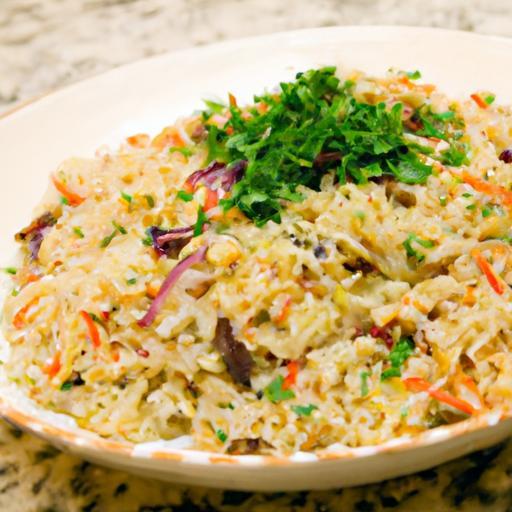
Rice, a humble grain that has fed civilizations for millennia, holds a special place in kitchens around the world. Among its many culinary expressions,pilav stands out-not just as a dish,but as a vibrant tapestry woven from history,culture,and flavor. “Pilav Unveiled: A Flavorful Journey Through Rice Traditions” invites you to explore the rich stories simmering beneath each fragrant pot. From the aromatic spice blends of the Middle East to the delicate textures found across Asia and beyond, pilav is more than nourishment; it’s a party of heritage, innovation, and timeless comfort. Join us as we uncover the secrets behind this beloved rice tradition, tracing its paths from ancient grains to modern tables.
Pilav is a timeless dish cherished worldwide for its comforting simplicity and rich cultural tapestry. From the ancient kitchens of the Middle East to the vibrant spice markets of South Asia, the art of preparing pilav has evolved into myriad regional expressions that celebrate local ingredients and traditions. Its ability to transform humble grains of rice into a feast of textures and aromas makes it a beloved staple across continents, reflecting history, heritage, and hospitality in every bite.
Prep and Cook Time
- Readiness: 15 minutes
- Cooking: 25 minutes
- Total Time: 40 minutes
Yield
Serves 4 generous portions
Difficulty Level
Medium – Ideal for home cooks ready to elevate their rice game with precision and flair
Ingredients
- 2 cups long-grain basmati rice, rinsed until water runs clear
- 3 tbsp unsalted butter or ghee
- 1 medium onion, finely chopped
- 3 cloves garlic, minced
- 1 tsp cumin seeds
- 1 tsp ground coriander
- 1/2 tsp ground cinnamon
- 1/4 tsp ground cardamom
- 4 cups chicken or vegetable broth, hot
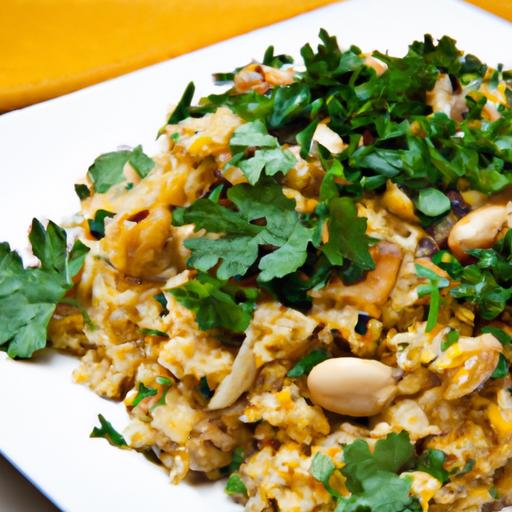
- 1/2 cup toasted pine nuts or slivered almonds
- Salt to taste
- Fresh parsley or cilantro for garnish
Instructions
- Rinse the rice thoroughly in cold water at least 3 times to remove excess starch, then soak it in water for 20 minutes, allowing grains to elongate and cook evenly.
- Heat the butter or ghee over medium heat in a heavy-bottomed pan. Add cumin seeds and let them pop, releasing their nutty aroma, about 30 seconds.
- Add the chopped onion and sauté until translucent and golden brown, around 5-7 minutes. Stir occasionally to prevent burning.
- Incorporate minced garlic and ground spices (coriander, cinnamon, cardamom). Cook for 1-2 minutes until fragrant, stirring continuously to toast the spices evenly.
- Drain the soaked rice thoroughly and add it to the pan, gently stirring to coat each grain with butter and spices. Sauté the rice for around 3-4 minutes until lightly toasted and aromatic.
- Pour in hot broth, adding salt to taste. Stir once carefully, then reduce heat to the lowest setting and cover with a tight-fitting lid.
- Simmer gently for 18-20 minutes without lifting the lid. This steams the rice to fluffy perfection while absorbing all flavors.
- Remove from heat and let the pilav rest, covered, for an additional 10 minutes to firm up the grains and blend the flavors.
- Fluff the pilav with a fork and gently fold in toasted pine nuts or slivered almonds for delightful crunch and richness.
- Garnish generously with chopped fresh parsley or cilantro before serving warm.
Tips for Success
- Rice selection is key: Choose long-grain basmati for fragrant, separated grains that define pilav’s signature texture.
- Broth over water: Using rich broth infuses the rice with depth; homemade or high-quality store-bought options elevate yoru dish enormously.
- Don’t rush the resting phase: Letting pilav rest off the heat allows trapped steam to fully hydrate grains, preventing mushiness.
- For vegetarian versions: Use vegetable broth and mix in caramelized onions, sautéed mushrooms, or roasted vegetables.
- Make-ahead tip: Prepare the pilav base and reheat gently with a splash of broth, fluffing before serving.
Serving Suggestions
For a truly memorable meal, pilav pairs beautifully with grilled or roasted meats such as lamb kebabs, spiced chicken thighs, or seared fish.Vegetarian pairings like rich chickpea stews or roasted eggplants bring vibrant textures and complementary spices. Garnish with freshly toasted nuts and a squeeze of lemon juice to brighten the palate.Serve with cooling yogurt sauces or fresh herb salads to balance the dish’s warmth and complexity.
| Nutrient | Per Serving |
|---|---|
| Calories | 320 kcal |
| Protein | 6 g |
| Carbohydrates | 54 g |
| Fat | 8 g |
Related reading: Discover how to craft the perfect basmati rice to elevate your pilav experience.
For more in-depth history on pilav and its cultural impact, visit Encyclopedia Britannica.

Q&A
Q&A: Pilav Unveiled - A Flavorful Journey Through Rice Traditions
Q1: What makes pilav more than just a rice dish?
Pilav is not merely steamed rice; it’s a culinary tapestry woven with history, culture, and technique. Each grain carries stories from ancient kitchens to modern feasts, embodying the spirit of the region it hails from. its preparation involves toasting the rice, slow cooking, and marrying it with spices, broths, and sometimes meats or vegetables, resulting in a dish that sings with complexity and comfort.
Q2: Where did pilav originally come from?
Pilav’s roots stretch deep into the ancient civilizations of the Middle East and Central asia. from the Persian empire to Ottoman palaces, it spread across continents, evolving uniquely in every kitchen it touched. Today, it is embraced across Turkey, the Balkans, South Asia, and beyond, each region adding its own aromatic signature.
Q3: How does pilav differ across cultures?
While the core of pilav is rice cooked in broth,there’s a delightful diversity in additions and methods. In Turkey, it often features butter and orzo, delivering a creamy texture. Indian pulao highlights fragrant spices like cardamom and cloves, sometimes supplemented with nuts and dried fruits. Balkan variants might include savory meats or vegetables, reflecting local tastes and traditions.Q4: What are some key techniques to master authentic pilav?
The magic of pilav lies in technique: rinsing rice to remove excess starch, toasting it to release a nutty aroma, and simmering it gently so each grain remains distinct yet tender. Patience is critical-rushing the process turns the pilav mushy or bland. Also, the choice of broth (vegetable, meat, or spiced) can elevate the dish from everyday to unusual.
Q5: Can pilav be adapted for modern dietary preferences?
Absolutely! Pilav is incredibly versatile. For plant-based diets, vegetable broth and roasted nuts bring richness. Gluten-free by nature, it suits many dietary needs.Creative twists like adding quinoa or cauliflower rice can merge tradition with contemporary health trends without sacrificing flavor.
Q6: Why is pilav a dish of celebration and comfort worldwide?
Pilav’s communal nature-often prepared in large pots and shared among family and guests-makes it perfect for celebrations, symbolizing abundance and hospitality. Its warm, savory profile simultaneously offers comfort and connection, making it a beloved staple from humble home kitchens to grand festivities.
Q7: How can one begin exploring pilav at home?
Start simple: select a good quality rice like basmati or long-grain, use rich broth, and follow customary toasting and simmering techniques. Experiment with regional spices or mix-ins to suit your palate. With each attempt, you’re not just cooking rice-you’re participating in a flavorful journey through time and culture.
The Conclusion
As our flavorful journey through the rich tapestry of pilav comes to a close, we find that this humble rice dish is much more than a simple side-it is a cultural canvas, a storyteller’s delight, and a testament to culinary creativity spanning continents and centuries. From fragrant spices to methodical simmering, the traditions woven into each pot of pilav reveal not just recipes, but history, heritage, and heart. So the next time you savor a spoonful of perfectly cooked pilav, remember: you’re partaking in a timeless celebration of flavors that unites kitchens and cultures alike.