
In the bustling medinas of Morocco, where the scent of spices dances through narrow alleyways and the call to prayer echoes at sunset, a humble ritual unfolds-a ritual that transcends mere refreshment to become a symbol of hospitality, tradition, and craftsmanship. Moroccan mint tea, with its vibrant green hues and fragrant blend of fresh mint and gunpowder tea leaves, is much more than a drink; it is a cultural emblem steeped in history and meaning. From the artful pouring that creates a frothy crown to the communal sharing that binds friends and strangers alike,this iconic beverage invites us to sip slowly and savor the rich tapestry of Moroccan life. Join us as we explore the origins, customs, and enduring charm of Moroccan mint tea: a refreshing tradition steeped in culture.
Moroccan Mint Tea has long been more than just a drink-it’s a vibrant symbol of hospitality, tradition, and culture in Moroccan life. Rooted in centuries-old Berber customs,this refreshing,aromatic brew is a ritualistic expression of warmth and friendship,lovingly prepared and poured in a tradition that brings people together. From bustling medinas to tranquil desert camps, the dance of pouring mint tea is a mesmerizing blend of art and science, essential to Moroccan identity and daily life.
Prep and Cook Time
- Preparation: 10 minutes
- Brewing: 10 minutes
- Total Time: 20 minutes
Yield
- Serves 4-6 people
Difficulty Level
- Easy to Medium
Ingredients
- 4 cups water, filtered
- 1 tablespoon premium green tea leaves (gunpowder green tea preferred)
- 1 large bunch fresh spearmint leaves, washed and roughly chopped
- 3-4 tablespoons granulated sugar, adjust to taste
- Optional: a few sprigs of fresh pine needles or verbena leaves for aromatic depth
Instructions
- Preheat the teapot: Pour hot boiling water into your teapot to warm it up, then discard the water. This step helps keep the tea hot longer.
- Rinse the tea leaves: Add the green tea leaves to the warmed pot and pour in about 1 cup of boiling water. Swirl gently and pour out the water immediately to ‘wash’ the tea, removing any bitterness.
- Add boiling water: Refill the pot with the remaining 3 cups of boiling water and cover; let steep for about 3 to 5 minutes, depending on desired strength.
- Incorporate fresh mint and sugar: Add the chopped mint leaves and sugar directly into the pot. Traditionally, Moroccan mint tea is generously sweetened, but you can adjust the sugar to preference.
- Mix thoroughly: Stir the tea briskly with a spoon, preferably from a height, enhancing aeration and developing a frothy top-a signature feature of authentic Moroccan mint tea.
- Serve with flair: Pour the tea from a height into small clear glasses to create a gentle froth and cool it slightly. Repeat pouring back into the pot and into glasses 2-3 times for perfect melding of flavors and aeration.
Tips for Success
- Use quality tea: Authentic Moroccan mint tea relies on high-quality gunpowder green tea for its deep, smoky undertones that complement fresh mint.
- Fresh mint matters: Always opt for fresh, vibrant spearmint for that bright, refreshing aroma; dried mint lacks the same punch.
- Sweetness level: Adjust sugar carefully; conventional Moroccan taste is quite sweet, but balance it according to your palate.
- Aeration technique: Pour tea from a height of about 6-8 inches to aerate and create vibrant foam, an essential part of the authentic experience.
- Make ahead: Prepare the brewed tea base in advance and add fresh mint just before serving to preserve its lively flavour.
Serving Suggestions for an Authentic Experience
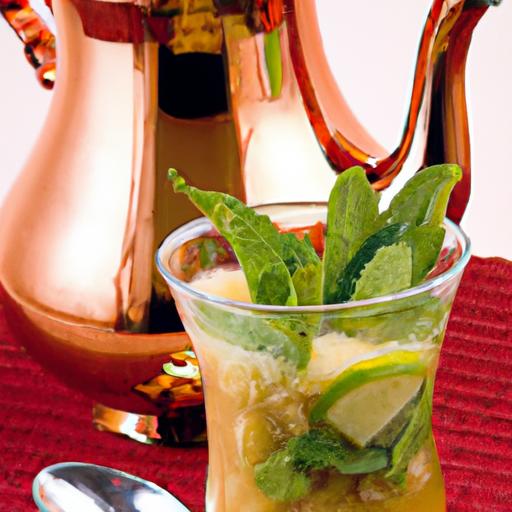
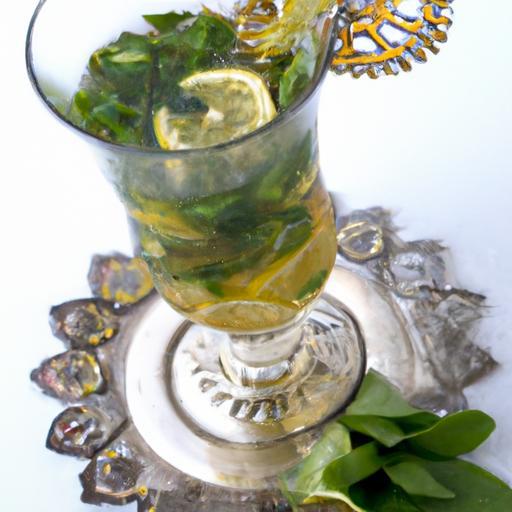
Accompany your Moroccan mint tea with traditional treats like sweet almond briouats or crisp kaab el ghazal (gazelle horns). Serve the tea in clear, ornately decorated glasses to showcase its golden-green hue and frothy top. Garnish each glass with a fresh mint sprig and place a small plate of dates or dried figs alongside to elevate the sensory experience. This setting invites guests to not just sip, but truly savor the refreshingly sweet and aromatic harmony emblematic of Moroccan culture.
| Nutritional info (per serving) | Amount |
|---|---|
| Calories | 45 kcal |
| Protein | 0.3 g |
| Carbohydrates | 11 g (mainly sugar) |
| Fat | 0 g |

Learn More About Moroccan Flavors
To deepen your culinary journey, check out our post on Moroccan Spices: The heart of Flavorful Traditions. For thorough tea history and brewing science, visit The Tea Institute.
Q&A
Q&A: moroccan Mint Tea – A Refreshing Tradition steeped in Culture
Q1: What exactly is Moroccan mint tea?
A1: Moroccan mint tea, frequently enough called “Maghrebi mint tea,” is a fragrant blend of green tea, fresh spearmint leaves, and sugar. More than just a drink, it’s a symbol of hospitality and a centerpiece of social gatherings throughout Morocco and the Maghreb region.
Q2: How did Moroccan mint tea become such an critically important cultural tradition?
A2: Its origins trace back centuries, influenced by China’s green tea along historic trade routes. Over time, Moroccans embraced the ritual of brewing and serving mint tea as an art form-an expression of generosity and connection. Offering tea is a warm invitation to friendship and respect, deeply woven into daily life and celebrations alike.
Q3: What makes Moroccan mint tea different from other teas?
A3: The magic lies in its preparation and presentation. Using gunpowder green tea, abundant fresh mint leaves, and generous sugar, the tea is steeped multiple times and poured from tall teapots with flair to create a frothy top. This aeration enriches the aroma and flavor, making each sip both refreshing and invigorating.
Q4: Are there particular customs around drinking Moroccan mint tea?
A4: Absolutely. Serving tea is a ritual. Traditionally poured from a height to mix and oxygenate, the tea is offered in small decorated glasses. guests usually receive three rounds of tea, each symbolizing a stage of life: the first is strong and bitter, the second mild and sweet, the third soft and relaxed. Refusing tea is rare, as accepting it honors the host’s hospitality.
Q5: Can Moroccan mint tea be customized or adapted?
A5: While the classic recipe is cherished, regional and personal touches abound. Some add dried orange blossom petals or even cinnamon sticks for extra aroma.Sweetness levels vary according to taste,but sugar is almost always present. At home, many experiment with different proportions of tea leaves to mint for a signature brew.
Q6: How dose Moroccan mint tea contribute to wellbeing?
A6: Beyond its cultural charm, Moroccan mint tea boasts refreshing properties. The green tea base is rich in antioxidants, while mint aids digestion and soothes the senses.Served hot or warm, it’s an ideal companion for relaxation or lively conversation alike.
Q7: How can someone at home recreate an authentic Moroccan mint tea experience?
A7: Begin with quality gunpowder green tea and a generous handful of fresh spearmint. Rinse the tea leaves first to reduce bitterness,then steep with mint and sugar in a teapot. Pour the tea from a height into small glasses to create froth. Serve with patience and a warm smile-because Moroccan mint tea is as much about connection as it is about flavor.
Q8: Why does Moroccan mint tea remain relevant in today’s fast-paced world?
A8: In an era of instant everything, Moroccan mint tea invites us to slow down-savoring aroma, flavor, and the shared human moments it fosters. it’s a timeless reminder that refreshment extends beyond the palate to the heart, making it a beloved tradition that transcends generations and borders.
In Summary
As the last sip of Moroccan mint tea lingers on the palate, it leaves behind more than just a refreshing taste-it offers a window into a rich cultural tapestry woven with hospitality, tradition, and artistry. This humble brew, fragrant with fresh mint and sweetened just so, is much more than a drink; it is a ritual that invites connection, conversation, and a moment of mindful pause. Whether enjoyed in a bustling Moroccan souk or the quiet comforts of home,moroccan mint tea remains a timeless symbol of warmth and welcome,reminding us that sometimes,the simplest pleasures carry the deepest stories. So the next time you cradle a steaming glass of this emerald elixir,sip slowly and savor not only the flavor but the centuries of culture steeped within each cup.