
Buzzing beneath the golden sun of North Africa lies a culinary gem steeped in history and flavor: Makroud. This beloved Tunisian delicacy, with its delicate layers of semolina and fragrant date filling, is more than just a dessert-it’s a story wrapped in tradition, culture, and sweet craftsmanship.In this article, we embark on a journey to unwrap the secrets of Makroud, exploring its origins, unique planning, and the role it plays in Tunisia’s vibrant tapestry of tastes. Prepare to discover why this humble pastry has earned its place as a treasured symbol of tunisian hospitality and heritage.
Makroud Unwrapped: this delightful North African pastry has long been a cherished symbol of Tunisian hospitality and tradition. Bursting with the warm, honeyed aroma of date filling wrapped in tender semolina dough, it’s a dessert that tells a story of cultural richness and culinary artistry. Originating from the Berber communities, the sweet treat evolved thru centuries, adapting regional nuances that celebrate Tunisia’s diverse palate and heritage.
The Art of Crafting the Perfect Makroud Dough and Filling
Mastering the balance between a crumbly yet tender semolina dough and a luscious, naturally sweet date filling is essential. The secret lies in choosing the right semolina: medium grind ensures a pleasantly coarse texture, while proper hydration with orange blossom water and olive oil grants pliability without becoming sticky. Meanwhile, the filling combines sun-dried dates with fragrant spices like cinnamon and a hint of ground cloves, meticulously mashed to a smooth consistency that melts with each bite.
Exploring Regional Variations and Flavorful Twists
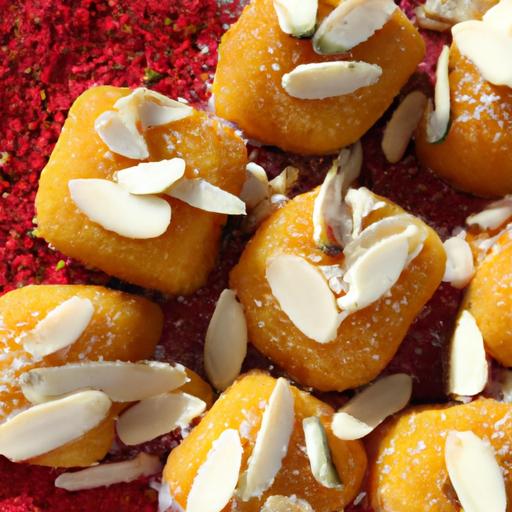
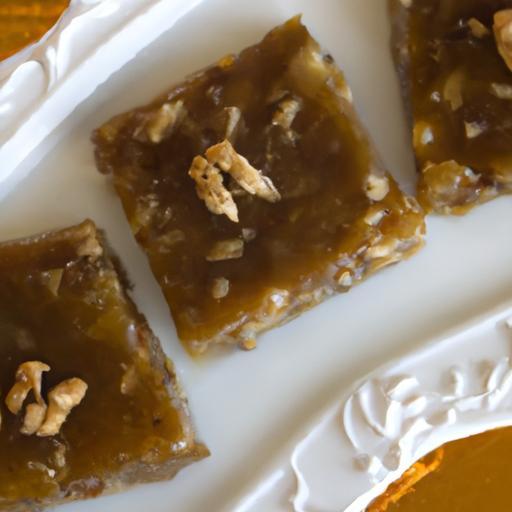
Across Tunisia, Makroud’s shape, size, and fillings shift subtly by region. In the north, you might find versions infused with roasted almonds or flavored with rose water, whereas the south celebrates a spicier amalgam of dates and figs or even pistachios. Some artisans dip the finished cakes in warm honey mixed with orange blossom water, while others prefer a dusting of sesame seeds or a splash of grape molasses to deepen the sweetness. Each variant invites exploration, reflecting local tastes and the ingenuity of Tunisian families.
Tips for Enjoying Makroud with Traditional Tunisian Pairings
To truly savor this jewel of Tunisian confectionery,pair Makroud Unwrapped with a robust glass of mint tea or harissa-spiced coffee. These beverages complement the dessert’s honeyed richness and balance its sweetness with refreshing herbs or subtle heat. Serving warm Makroud alongside dried figs and crushed walnuts adds textural contrast and highlights the earthy flavors. Don’t forget a sprinkle of toasted sesame seeds over the plate for an authentic presentation that enchants both the eyes and palate.
Prep and Cook Time
- Preparation: 45 minutes
- Cooking: 30 minutes
- Total time: 1 hour 15 minutes
Yield
Makes approximately 24 pieces of Makroud, perfect for sharing
Difficulty Level
Medium: Requires patience and attention to detail, but rewarding
Ingredients
- For the Dough:
- 2 cups medium semolina flour
- ¼ cup all-purpose flour, sifted
- ½ teaspoon salt
- ¼ cup unsalted butter, melted
- ¼ cup extra virgin olive oil
- ½ cup warm water
- 2 teaspoons orange blossom water
- For the Filling:
- 1 cup pitted dates, finely chopped or mashed
- 1 teaspoon ground cinnamon
- ¼ teaspoon ground cloves
- 1 tablespoon orange blossom water
- 2 tablespoons unsalted butter, melted
- ¼ cup toasted sesame seeds
- For Dipping and Garnish:
- ½ cup honey
- 1 teaspoon orange blossom water
- extra toasted sesame seeds for sprinkling
Instructions
- Prepare the filling: In a bowl, mix mashed dates with cinnamon, cloves, melted butter, and orange blossom water until smooth and spreadable. Set aside.
- Make the dough: In a large mixing bowl, combine semolina, all-purpose flour, and salt.Add melted butter and olive oil, rubbing it into the dry ingredients with your fingertips until well combined.
- Hydrate the dough: Gradually add warm water and orange blossom water, kneading gently until a cohesive dough forms.It should be soft but not sticky. Cover and rest for 30 minutes for semolina to absorb the liquids.
- Shape the Makroud: Divide dough into two halves.Roll each half into a long rectangle (about 10 inches by 4 inches) on a lightly oiled surface. Spread the date filling evenly along the center, then fold dough over to encase filling, sealing edges carefully.
- Cut and coat: Using a sharp knife, slice the filled dough into diamond-shaped pieces roughly 1.5 inches wide. Roll each piece in toasted sesame seeds, pressing gently to adhere.
- Fry to perfection: Heat vegetable oil in a heavy skillet to medium heat. Fry Makroud pieces in batches, turning carefully, until they are golden brown and crisp (about 3-4 minutes per side). Drain on paper towels.
- Sweeten and garnish: Warm honey gently with orange blossom water in a small saucepan. Dip each fried Makroud briefly in the honey syrup, then place on a serving tray. Sprinkle extra sesame seeds over the top for a beautiful finish.
Chef’s Notes
- For a gluten-free option, substitute all-purpose flour with chickpea flour, adjusting water to achieve the right dough consistency.
- If your dough feels dry, add a tablespoon of warm water at a time; too much liquid will make it sticky and hard to shape.
- Frying temperature is key – too hot and the exterior will burn before the inside cooks; too low and the Makroud will absorb excess oil.
- Makroud can be made ahead and stored for up to 3 days in an airtight container. Reheat briefly in a low oven to restore crispness.
- Try infusing the honey syrup with a small cinnamon stick or a few cardamom pods for a scented variation.
Serving Suggestions
Arrange Makroud on traditional ceramic platters and accompany with fresh mint sprigs for a splash of vibrant green. Serve beside steaming glasses of mint tea or a spiced coffee for an authentic Tunisian experience. Complement with nuts such as walnuts or almonds to add texture contrast. Makroud is ideal at celebrations, teatime, or as a sweet end to any Mediterranean-inspired meal.

| Nutrient | Per Serving (1 piece) |
|---|---|
| Calories | 150 kcal |
| Protein | 2 g |
| Carbohydrates | 24 g |
| Fat | 5 g |
For more dessert inspirations inspired by Tunisian cuisine, explore our Tunisian Dessert Recipes collection.
Q&A
Q&A: Makroud unwrapped – Discovering Tunisia’s Sweet Treasure
Q1: What exactly is Makroud?
A1: Makroud is a traditional Tunisian pastry that captures the essence of North African sweetness and craftsmanship. It’s a diamond-shaped, semolina-based treat, filled with a luscious date paste, and often infused with aromatic spices like cinnamon and orange blossom water. Baked or fried to golden perfection,makroud offers a delightful blend of crisp exterior and chewy,rich interior-a true treasure on Tunisia’s culinary map.
Q2: Where did makroud originate, and why is it so cherished in tunisia?
A2: Makroud’s origins trace back to the Maghreb region, with Tunisia proudly claiming it as a national delicacy. Historically, it symbolized hospitality and celebration, often prepared during festivals like Eid or family gatherings. Its enduring appeal lies in its deep cultural roots and the painstaking artistry required to craft its signature shape and texture, making it more than just a pastry-it’s a piece of Tunisian heritage.
Q3: What makes makroud different from other Middle Eastern or Mediterranean sweets?
A3: Unlike the flaky baklava or syrup-soaked basbousa, Makroud’s hallmark is its dense yet tender semolina dough combined with a rich date filling, which offers a natural sweetness and a hint of earthiness. The use of orange blossom water and a touch of honey or date syrup glaze adds floral and syrupy notes, making it uniquely Tunisian. its diamond shape isn’t just aesthetic-it’s symbolic, reflecting traditional craftsmanship passed through generations.
Q4: How is Makroud traditionally prepared?
A4: The process begins with mixing semolina with a little oil or butter and water to form a pliable dough. Separately, dates are mashed and combined with spices and sometimes nuts. The dough is rolled out into strips, stuffed with the date filling, then carefully shaped into diamonds. It’s then either fried for a crispy bite or baked for a softer touch before being dipped in honey or date syrup to add a shimmering glaze and extra sweetness.
Q5: Can Makroud be enjoyed beyond special occasions?
A5: Absolutely! While Makroud is traditionally reserved for festivities, it’s increasingly enjoyed as a daily treat with tea or coffee. Locals and visitors alike savor it as an afternoon indulgence or a comforting snack, proving that this centuries-old sweet treasure transcends time and occasion.
Q6: Are there regional variations of Makroud within Tunisia?
A6: Yes, Tunisia’s diverse regions put their own spin on Makroud. As an example, in the south, the filling might include nuts like almonds or walnuts alongside dates, while coastal areas might infuse the dough with spices or decorate it differently. Some versions use sesame seeds sprinkled atop or incorporate orange zest for a brighter flavor profile. These subtle tweaks highlight Tunisia’s rich regional tapestry.
Q7: Where can travelers find the best Makroud when visiting Tunisia?
A7: The best Makroud often comes from small family bakeries and local markets where recipes have been perfected over generations. Cities like Sfax and Sousse boast renowned pastry shops famed for their authentic Makroud. Sampling these alongside a cup of mint tea offers visitors an unforgettable taste of Tunisian hospitality and tradition.
Q8: Can Makroud be made at home by beginners?
A8: While it requires some patience and technique-especially the shaping-home cooks can certainly try their hand at Makroud with the right ingredients and a little practice. Many recipes are available today that simplify steps without sacrificing authenticity, inviting adventurous bakers to unwrap Tunisia’s sweet treasure right in their own kitchens.Q9: What cultural significance does Makroud hold beyond its delicious taste?
A9: Makroud is more than a dessert; it’s a symbol of community, celebration, and the artistry of Tunisian culinary heritage. Sharing Makroud embodies generosity and connection, frequently enough gifted during religious and family occasions. Its crafting process strengthens familial bonds, as recipes and techniques are lovingly passed down, nurturing identity and continuity.
Q10: Why should international food lovers explore Makroud?
A10: For the adventurous palate, Makroud offers a sensory journey into Tunisia’s history and soul. Its unique textures, nuanced flavors, and deeply rooted cultural narrative present an enriching experience beyond mere taste. Trying Makroud opens a window into a world where food is an art and tradition-a sweet treasure waiting to be discovered.
Concluding Remarks
As the last bite of makroud melts away, you’re left not just with a lingering sweetness, but with a deeper appreciation for Tunisia’s rich culinary heritage. This humble pastry, wrapped in layers of history, culture, and flavor, invites us to savor more than just its taste-it’s a delicious journey into the heart of a vibrant land. Whether enjoyed during festive celebrations or as a daily indulgence, makroud stands as a testament to Tunisian craftsmanship and tradition, waiting to be discovered by palates near and far. So next time you crave a sweet escape, let makroud unwrap its stories and secrets, one golden, honeyed piece at a time.