
In a world where wellness trends come and go, one dietary choice has firmly rooted itself as both a necessity and a lifestyle: the gluten-free diet. Whether driven by medical needs or a quest for greater vitality, embracing a gluten-free way of eating can feel like navigating uncharted territory. From deciphering ingredient labels to discovering tasty alternatives, the journey toward gluten-free living is as much about empowerment as it is indeed about health.This essential guide will illuminate the path, offering practical insights and creative tips to help you thrive without gluten-and unlock a vibrant new chapter in your wellness story.
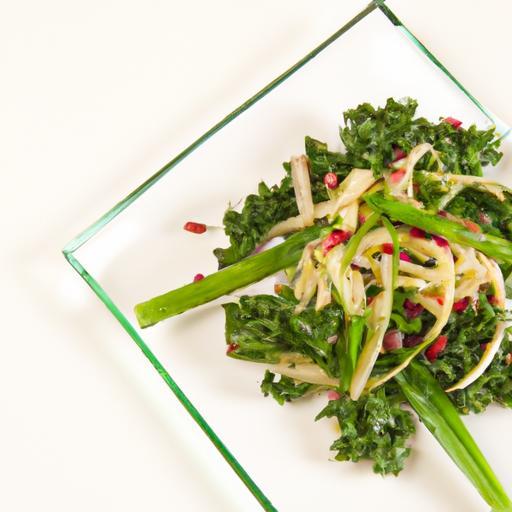
Navigating wellness on a gluten-free diet begins with understanding not only what gluten is but also how to expertly manage it through every meal, outing, and travel experience. Learning to master label reading and uncover hidden gluten sources is essential, empowering you to craft balanced, flavorful dishes that turn dietary restrictions into culinary possibilities. This recipe embodies that transformation-a vibrant Quinoa and Roasted Vegetable buddha Bowl bursting with texture,color,and nourishing ingredients. Perfect for those embracing gluten-free living, this bowl is easy to customize, making it a cornerstone meal to inspire your journey.
Prep and Cook Time
- Preparation: 15 minutes
- Cooking: 30 minutes
- Total Time: 45 minutes
Yield
- Serves 4
Difficulty Level
- Easy
Ingredients
- 1 cup quinoa, rinsed and drained
- 2 cups vegetable broth (gluten-free)
- 1 large sweet potato, peeled and diced into 1-inch cubes
- 1 red bell pepper, thinly sliced
- 1 small zucchini, sliced into half-moons
- 1 cup broccoli florets
- 2 tablespoons olive oil, divided
- 1 teaspoon smoked paprika
- Salt and freshly ground black pepper, to taste
- ½ cup canned chickpeas, rinsed and drained
- 2 tablespoons tahini
- 1 tablespoon fresh lemon juice
- 1 garlic clove, minced
- 2 tablespoons water, or more to thin the dressing
- Fresh parsley for garnish
- Optional: Toasted pumpkin seeds or hemp seeds for crunch
Instructions
- Cook the quinoa: In a medium saucepan, bring the vegetable broth to a boil. Add the rinsed quinoa, reduce heat to low, cover, and simmer for 15 minutes or until the liquid is absorbed and the quinoa is fluffy.Remove from heat and let it rest covered for 5 minutes, then fluff with a fork.
- Prepare the vegetables: Preheat your oven to 425°F (220°C). Toss the diced sweet potato, red bell pepper, zucchini, and broccoli florets with 1 tablespoon olive oil, smoked paprika, salt, and pepper. Spread evenly on a baking sheet lined with parchment paper.
- Roast the vegetables: Roast for 25-30 minutes, turning once halfway through, until vegetables are tender and slightly caramelized. Keep an eye on the broccoli so it doesn’t burn; it should come out shining green and crisp-tender.
- Make the tahini dressing: In a small bowl, combine tahini, lemon juice, minced garlic, the remaining olive oil, and water. Whisk until smooth and creamy. Add more water as needed to reach your preferred consistency.
- Assemble the bowl: Divide the quinoa between four bowls. Top with roasted vegetables and chickpeas. Drizzle generously with tahini dressing and garnish with fresh parsley and optional toasted seeds for extra texture and nutrition.
- Serve promptly: Enjoy this vibrant bowl either warm or at room temperature for a versatile, satisfying meal.
Chef’s notes & Tips for Success
- Quinoa is a fantastic gluten-free grain rich in protein and fiber, making it a staple for crafting balanced gluten-free meals.
- When reading labels, always check for gluten-containing additives like malt or wheat starch, notably in broths or canned goods.
- Variations: Swap vegetables based on season or preference-roasted butternut squash, asparagus, or snap peas all work beautifully.
- To save time, roast a larger batch of vegetables to use in salads or wraps throughout the week.
- For added protein, try topping your bowl with grilled chicken, tofu, or a soft-boiled egg.
- Make the dressing ahead and store in an airtight jar in the fridge for up to 5 days.
Serving Suggestions
Serve this Quinoa and roasted Vegetable Buddha Bowl with a wedge of lemon on the side for an extra zing. A dusting of smoked paprika or freshly cracked black pepper on top adds visual appeal and depth of flavour. Pair with a crisp, chilled sparkling water infused with cucumber or mint to refresh the palate. This dish shines as a wholesome lunch or a nourishing dinner and packs beautifully for gluten-free meal prep on the go.

| Nutrition (per serving) | Amount |
|---|---|
| Calories | 350 |
| Protein | 10g |
| Carbohydrates | 45g |
| Fat | 12g |
For further guidance on gluten-free living and mindful ingredient choices,explore our Gluten-Free Kitchen Basics article. To deepen your understanding of gluten’s impact on health,visit The Celiac Disease Foundation, a leading authority in gluten research and advocacy.
Q&A
Q&A: Navigating Wellness – The Essential Guide to a Gluten-Free Diet
Q1: What exactly is a gluten-free diet, and who needs it?
A: A gluten-free diet eliminates all foods containing gluten, a protein found primarily in wheat, barley, and rye. it’s essential for people with celiac disease, gluten intolerance, or wheat allergy. But many also choose this path seeking improved digestion, energy, or overall wellness.
Q2: Why is gluten harmful to some people?
A: For those with celiac disease, gluten triggers an autoimmune response that damages the small intestine lining, impairing nutrient absorption and causing discomfort. Others may experience sensitivity to gluten, leading to bloating, headaches, or fatigue without intestinal damage.
Q3: Is going gluten-free just a trend or a genuine health choice?
A: While the gluten-free lifestyle gained popularity as a wellness trend, it remains a vital medical necessity for many. Beyond medical needs, some find personal benefits like clearer skin, better digestion, and increased energy, making it more than just a fad.
Q4: what are common hidden sources of gluten I should watch out for?
A: Gluten can sneak into sauces, dressings, soups, processed meats, and even medications or supplements. Always read ingredient labels carefully, and when dining out, ask detailed questions to avoid accidental gluten exposure.
Q5: How can I maintain balance and nutrition on a gluten-free diet?
A: Focus on naturally gluten-free whole foods like fruits, vegetables, lean proteins, legumes, and gluten-free grains like quinoa and rice. be mindful of replacing gluten with highly processed alternatives that may lack fiber and nutrients. Consulting a dietitian can definitely help tailor a balanced plan.
Q6: How do I handle social situations and eating out while staying gluten-free?
A: Dialogue is key.Inform hosts and restaurant staff about your dietary needs. Many eateries now offer gluten-free menus or can customize dishes. Bringing safe snacks to gatherings can also ease anxiety and ensure you have nourishing options.
Q7: Are gluten-free products automatically healthy?
A: Not necessarily. Gluten-free doesn’t automatically meen nutritious. Some products can be high in sugar, fat, or salt to compensate for texture and flavor.Always choose whole,minimally processed foods when possible.
Q8: What are some tips for mastering gluten-free cooking at home?
A: Experiment with naturally gluten-free flours like almond, coconut, or chickpea. Use fresh herbs and spices to enhance flavor. Batch cook and freeze meals to save time. And embrace creativity-gluten-free living is an opportunity to discover new ingredients and recipes.
Q9: Can a gluten-free diet improve overall wellness beyond gluten-related issues?
A: Many report benefits like reduced inflammation, better digestion, or increased vitality after switching to gluten-free. Though, individual results vary-listen to your body, and approach the diet as part of a holistic wellness plan.
Q10: What’s the best mindset for navigating the gluten-free journey?
A: Embrace curiosity and patience. Transitioning takes time and trial-and-error. Celebrate small victories and focus on nourishing your body, not just restrictions. Your gluten-free lifestyle can be a powerful,empowering journey toward vibrant health.
Concluding Remarks
As you embark on your gluten-free journey,remember that wellness is not just about what you avoid,but what you discover along the way.Navigating a gluten-free diet offers more than dietary changes-it invites a deeper connection with your body, an opportunity to explore vibrant, wholesome foods, and a path toward renewed energy and balance. Let this guide be your compass as you embrace a lifestyle that honors your health with both mindfulness and joy. after all, true wellness is crafted not by restrictions, but by the choices that empower and nourish you every day.