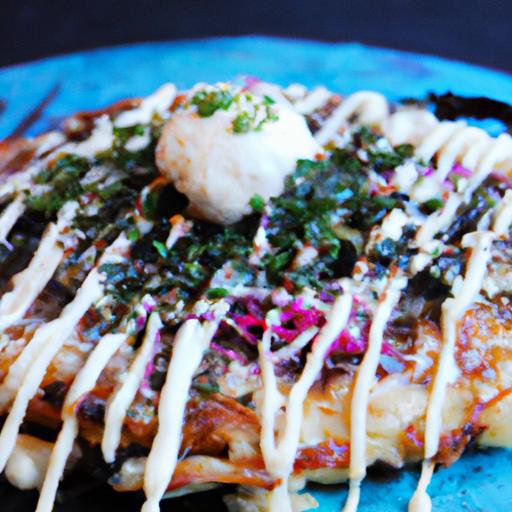

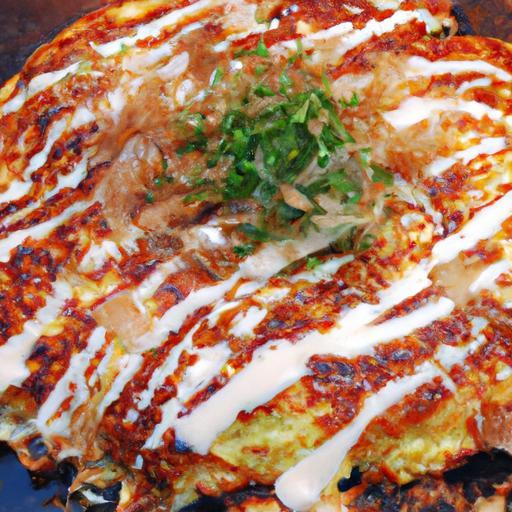
In teh vibrant tapestry of Japanese cuisine, few dishes capture the heart and palate quite like okonomiyaki-a delightful medley of flavors and textures, often hailed as the nationS ultimate savory pancake. More than just a meal, okonomiyaki is a cultural experience, a customizable canvas that invites home cooks and food lovers alike to explore the rich interplay of ingredients sizzling on a hot griddle. Whether you’re a seasoned chef or a curious foodie, mastering okonomiyaki opens the door to a world where tradition meets creativity, and every bite tells a story. Join us as we dive into the art and technique behind this beloved Japanese dish, unlocking secrets to crafting the perfect okonomiyaki right in your own kitchen.
Mastering Okonomiyaki means uncovering the art of selecting authentic ingredients and perfecting techniques that bring this iconic Japanese savory pancake to life. Rooted in Osaka’s vibrant street food culture, okonomiyaki is a delightful canvas-each bite an interplay of crispy textures and rich, umami-packed flavors. My love affair with okonomiyaki began on a bustling Tokyo street,where the irresistible sizzle of batter and cabbage on a teppan grilled into golden perfection instantly captivated me. Join me as we explore how to capture that very essence in your kitchen with ingredients, textures, and toppings that will elevate your homemade okonomiyaki to chef-worthy heights.
Prep and Cook Time
- Preparation: 20 minutes
- Cooking: 15 minutes per pancake
- Total Time: 35 minutes
Yield
Serves 4 generous okonomiyaki pancakes
Difficulty Level
Medium – perfect for adventurous home cooks willing to explore Japanese street food flavors with some practise.
Ingredients
- 1 cup all-purpose flour,sifted
- 2/3 cup dashi stock (or water with dashi powder)
- 2 large eggs
- 3 cups finely shredded cabbage,packed
- 4 scallions,thinly sliced
- 100g thinly sliced pork belly (or bacon)
- 1/4 cup tenkasu (tempura scraps,optional for crunch)
- Pickled ginger (beni shoga),to taste
- Okonomiyaki sauce (store-bought or homemade)
- Japanese mayonnaise,preferably Kewpie
- Aonori (dried seaweed flakes)
- Katsuobushi (bonito flakes)
- Vegetable oil for frying
Instructions
- Prepare the batter: In a large mixing bowl,combine the flour and dashi stock. Whisk gently untill smooth and lump-free.
- Add eggs and mix: Crack the eggs into the batter,stirring until fully incorporated. This mixture forms the base,imparting a subtle,savory flavor.
- Fold in vegetables and mix-ins: add the shredded cabbage, sliced scallions, tenkasu, and pickled ginger. Stir gently but thoroughly to coat everything evenly with the batter.
- Heat the pan: Warm a large non-stick skillet or teppanyaki griddle over medium heat. Brush with a thin layer of vegetable oil to prevent sticking and encourage browning.
- Shape and cook the pancake: Pour a ladleful (about 1 cup) of batter into the skillet and spread into a 7-inch circle. Promptly lay 2-3 slices of pork belly atop the pancake,pressing lightly so it sticks to the batter.
- Fry until golden and crispy: Cook for 5-7 minutes, allowing the edges to crisp and the pork belly to render flavorful fat. Use a spatula to gently lift the edges; when the base is golden brown, carefully flip.
- Cook the othre side: Fry an additional 5 minutes or until the pork is fully cooked and the pancake is firm but tender. Press lightly to help even cooking and texture.
- Finish with toppings: Transfer to a serving plate. Generously brush with okonomiyaki sauce, drizzle with Japanese mayonnaise, and sprinkle with aonori and katsuobushi. The heat will gently move the bonito flakes, creating a mouthwatering dance atop your pancake.
Chef’s Notes
- For extra crispiness: Add a small handful of crushed shrimp crackers or panko breadcrumbs to the batter.
- Vegetarian variation: Substitute pork belly with shiitake mushrooms or grated nagaimo (Japanese mountain yam) to mimic the traditional texture.
- Make-ahead tip: The cabbage mixture can be prepped in advance and stored covered for up to one day in the fridge.
- Flip with confidence: Use two spatulas for stability when turning your okonomiyaki to avoid breakage.
- Regional twist: Incorporate yakisoba noodles into the batter for a Hiroshima-style okonomiyaki experience.
Serving Suggestions
Present your okonomiyaki with a side of pickled vegetables to cut through the richness. for an extra pop of color and texture, add finely chopped fresh scallions or a sprinkle of toasted sesame seeds. Pair with a light Japanese beer or chilled sake to balance the savory flavors. Serve on individual plates, allowing diners to customize with extra mayo or okonomiyaki sauce for truly interactive enjoyment.
| Nutrient | Per Serving |
|---|---|
| Calories | 350 kcal |
| Protein | 15 g |
| Carbohydrates | 35 g |
| Fat | 15 g |

Enhance your mastery by exploring our Complete Guide to Japanese Sauces and deepen your flavor profile knowledge. For cultural insights and the history behind okonomiyaki, visit Japan Guide’s Okonomiyaki Overview.
Q&A
Q&A: Mastering Okonomiyaki – The Ultimate Japanese Savory Pancake Recipe
Q1: What exactly is okonomiyaki?
A1: Okonomiyaki is frequently enough described as a Japanese savory pancake, but it’s so much more-a delightful canvas of textures and flavors. The name literally means “grill what you like,” reflecting its customizable nature. Picture a crispy, golden-brown pancake packed with shredded cabbage, flour, eggs, and your favorite mix-ins-think seafood, pork, or veggies-finished with luscious sauces and toppings that create a symphony of taste in every bite.
Q2: What ingredients are essential for authentic okonomiyaki?
A2: At its core, okonomiyaki thrives on a few simple yet essential ingredients: finely shredded cabbage for crunch, a batter made from flour, eggs, and dashi (Japanese stock) for umami, and your chosen filling-pork belly slices are traditional, but shrimp, squid, or even cheese work beautifully. Toppings like okonomiyaki sauce (a tangy,sweet-savory blend),Japanese mayonnaise,aonori (seaweed flakes),and katsuobushi (bonito flakes) bring the dish alive with texture and flavor.
Q3: Is okonomiyaki challenging to make at home?
A3: Not at all! While it may look like something only a pro could perfect, okonomiyaki is wonderfully approachable. The key is balancing the batter’s consistency and controlling the heat to get a crispy exterior without burning.With a little patience and practice, you’ll soon flip like a master chef. Plus, the fun lies in personalizing your pancake exactly how you like it!
Q4: How vital is the cabbage in okonomiyaki?
A4: Cabbage is the heartbeat of okonomiyaki. Its crunchy freshness provides a bright contrast to the rich batter and savory fillings. Shredded finely enough, it softens during cooking but still maintains a pleasant texture, giving each bite a satisfying crunch and sweetness.
Q5: Can I make okonomiyaki gluten-free or vegetarian?
A5: Absolutely! To go gluten-free, substitute regular flour with rice flour or a gluten-free blend, and double-check that your okonomiyaki sauce and dashi are gluten-free or make homemade versions. For vegetarians, skip the seafood and pork and load up on mushrooms, green onions, kimchi, or tofu. The versatility of okonomiyaki means everyone can enjoy it with a few simple tweaks.
Q6: What’s the best way to cook okonomiyaki?
A6: Traditionally, okonomiyaki is cooked on a teppan (a flat iron griddle), but a heavy non-stick skillet or cast-iron pan works just as well at home. Preheat the pan to medium heat and add a small amount of oil. Pour the batter into a circular shape, cook until the bottom is golden and crispy, then carefully flip and cook the other side. The key is gentle heat and patience to achieve that perfect crust without burning.
Q7: How should I serve okonomiyaki for the best experience?
A7: Serve hot off the pan, generously brushed with okonomiyaki sauce and a generous drizzle of Japanese mayo in decorative swirls. Sprinkle with aonori and scatter katsuobushi flakes on top-they dance and move with the pancake’s heat, adding a magical touch. Pair with a side of pickled ginger or a simple miso soup for a truly authentic meal.
Q8: Any tips for customizing my okonomiyaki?
A8: Feel free to experiment! Swap proteins-try bacon, squid, or even cheese. Add mix-ins like corn, green onions, or tempura bits for crunch. Playing with toppings like spicy mayo or a sprinkle of shichimi togarashi (Japanese seven-spice blend) can add exciting new dimensions. Remember,”okonomi” means “what you like”-make your okonomiyaki truly your own culinary masterpiece.
Q9: Where does okonomiyaki originate from?
A9: Okonomiyaki hails from the Kansai region, particularly Osaka, where it’s a beloved street food and comfort dish. Hiroshima offers its own variation, layering noodles and extra ingredients for a hearty twist. Both styles celebrate local tastes and ingredients, showcasing the rich diversity of Japanese cuisine.
Q10: Why should I master okonomiyaki?
A10: Beyond being a appetizing and satisfying dish, okonomiyaki is a festivity of creativity and culture.Mastering it opens the door to a fun cooking experience that brings people together, sparks experimentation, and honors a treasured piece of Japanese culinary heritage. Plus,once you’ve nailed it,you’ve got a foolproof recipe to impress friends and satisfy cravings anytime!
To Wrap It Up
As you flip your final okonomiyaki and savor its crispy edges and savory heart,you’ve not only crafted a delicious Japanese staple-you’ve embraced a culinary tradition rich with history and endless customization. Mastering okonomiyaki is more than perfecting a recipe; it’s about celebrating creativity, community, and the joy of cooking. So, armed with your newfound techniques and flavor inspirations, go ahead-make this versatile pancake your own, share it with friends, and let every bite be a delicious journey into the vibrant world of Japanese comfort food. Your okonomiyaki adventure has only just begun.