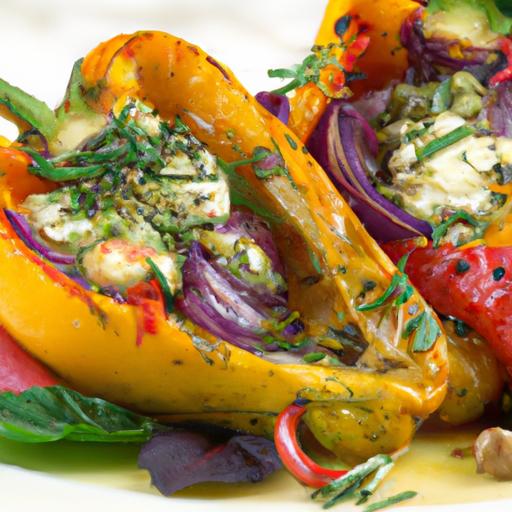

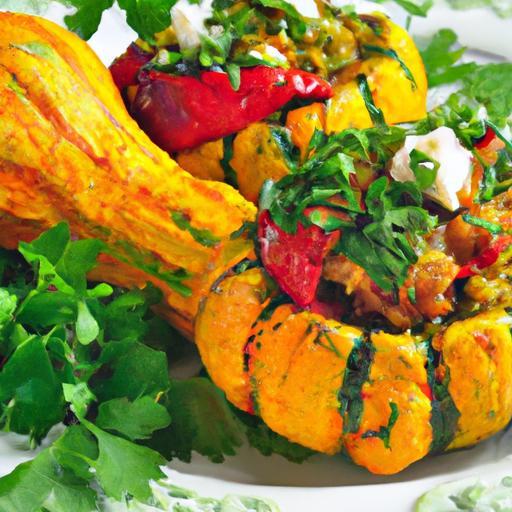
In the vibrant tapestry of Greek cuisine,few dishes capture the essence of tradition,color,and comfort quite like Gemista.Imagine sun-ripened tomatoes, bell peppers, zucchinis, and eggplants, hollowed and lovingly filled with a fragrant blend of rice, fresh herbs, and sometimes minced meat-each bite a harmonious celebration of Mediterranean flavors. More than just a meal,Gemista is a culinary story passed down through generations,embodying the Greek spirit of hospitality and the bountiful gifts of the land. Join us as we explore this colorful stuffed vegetable delight, uncovering its history, regional variations, and the simple joy it brings to tables across Greece.
Gemista, a vibrant emblem of Greek culinary heritage, is a dish that effortlessly intertwines tradition with the bounty of Mediterranean gardens. Originating from the sun-drenched landscapes of Greece, this colorful stuffed vegetable delight marries juicy tomatoes, bell peppers, and zucchini with fragrant herbs and fluffy rice, creating a soulful symphony of tastes and textures. This dish holds a special place around Greek family tables, frequently enough prepared during warm summer afternoons when fresh produce is at its peak. my first taste of gemista on a sunlit terrace in Athens revealed more than just a meal-it was an expression of community, warmth, and the simple joys of home cooking.
Prep and Cook Time
- Readiness: 25 minutes
- Cooking: 1 hour 15 minutes
- Total: 1 hour 40 minutes
Yield
Serves 6 hearty portions
Difficulty Level
Medium – perfect for those ready to explore authentic Mediterranean flavors
Ingredients
- 6 medium ripe tomatoes, tops sliced off and pulp reserved
- 4 large bell peppers (red, yellow, or green), tops sliced off and seeds removed
- 2 medium zucchinis, hollowed out
- 1½ cups long-grain white rice, rinsed until water runs clear
- 1 large onion, finely chopped
- 3 cloves garlic, minced
- ½ cup extra virgin olive oil
- 1 cup tomato pulp from the reserved tomato centers
- 1 cup fresh parsley, chopped
- ½ cup fresh dill, finely chopped
- ½ cup fresh mint leaves, chopped
- 1 teaspoon ground cinnamon
- Salt and freshly ground black pepper, to taste
- 1 cup water or vegetable broth
- Juice of 1 lemon
Instructions
- Prepare vegetables: Gently hollow out the tomatoes, peppers, and zucchinis, taking care not to puncture the outer walls. Set the hollowed vegetables aside, reserving the tomato pulp for the stuffing.
- Sauté aromatics: Heat ¼ cup of olive oil in a large skillet over medium heat. add finely chopped onion and garlic, and sauté until soft and translucent, about 5 minutes, stirring occasionally to prevent sticking.
- Mix stuffing: In a large bowl, combine the rinsed rice, sautéed onion and garlic, tomato pulp, chopped fresh parsley, dill, mint, ground cinnamon, salt, and pepper. Stir well to marry the flavors and distribute herbs evenly.
- Fill vegetables: Spoon the herb-infused rice mixture gently into each vegetable, filling them nearly to the top but leaving a small space for rice expansion during cooking. Arrange stuffed vegetables upright in a deep baking dish.
- Add liquids: Drizzle the remaining ¼ cup olive oil and lemon juice over the stuffed vegetables. Pour water or vegetable broth into the base of the dish until it reaches about one-third up the vegetables-this ensures even cooking and prevents drying.
- Bake low and slow: Cover the baking dish tightly with foil and bake in a preheated oven at 350°F (175°C) for 45 minutes. Remove foil and bake for another 20-30 minutes until the rice is tender and the vegetables are lightly browned.
- Rest and serve: Let the gemista rest out of the oven for 10 minutes-this allows the flavors to settle beautifully. Garnish with a sprinkle of fresh herbs and a drizzle of olive oil before serving.
Tips for Success
- Selecting the freshest vegetables: Choose firm, unblemished tomatoes and peppers with vibrant colors and slight heft. Fresh, unwilting zucchinis with glossy skin are essential for authentic gemista.
- Rice choice matters: Long-grain rice holds shape beautifully, but feel free to experiment with medium-grain or parboiled varieties if preferred.
- Prevent sogginess: Avoid overfilling vegetables and ensure the foil traps steam during baking-this keeps the rice moist without making the dish watery.
- Make ahead: Gemista tastes even better the next day as flavors deepen. Prepare a day ahead and gently reheat in the oven.
- to vary protein: Incorporate crumbled feta or ground lamb into the stuffing for a richer twist.
Serving Suggestions
Serve gemista warm or at room temperature,nestled on a platter garnished with lemon wedges and fresh herbs. Pair with creamy Greek yogurt or a simple cucumber and dill tzatziki salad for a refreshing contrast. A crisp glass of Assyrtiko or Retsina beautifully complements the herbaceous, earthy notes of the dish, making each bite a celebration of Greece’s vibrant culinary landscape.

| Nutrient | Per Serving |
|---|---|
| Calories | 280 kcal |
| Protein | 6 g |
| Carbohydrates | 38 g |
| Fat | 10 g |
For a deeper dive into Mediterranean herbs and their uses, visit International Association for Food Protection. Also, explore our Moussaka Recipe for more inspiration from Greek cuisine.
Q&A
Q&A: Gemista – Exploring greece’s Colorful Stuffed Vegetable Delight
Q1: what exactly is Gemista?
A1: Gemista (pronounced yeh-MEE-stah) is a beloved classic of Greek cuisine featuring vibrant vegetables-usually tomatoes, bell peppers, zucchinis, and occasionally eggplants-hollowed out and generously filled with a fragrant mixture of rice, herbs, and sometimes minced meat. Baked until tender and bursting with savory-sweet flavors, Gemista is as much a feast for the eyes as it is for the palate.
Q2: Where does Gemista come from?
A2: This dish hails from Greece’s sun-soaked Mediterranean shores. It embodies the islander ethos of making the most of fresh, local ingredients like garden vegetables, freshly picked herbs, and olive oil. The name “Gemista” actually means “stuffed” or “filled” in greek, hinting at the heart of the dish’s magic.
Q3: What vegetables are typically used in Gemista?
A3: The traditional lineup includes ripe tomatoes, crunchy bell peppers, and zucchini, each chosen for their ability to hold the stuffing while softening just enough in the oven to soak up all those appetizing flavors. Eggplants and even potatoes or onions can join the party, depending on regional twists and family recipes.
Q4: What goes into the stuffing?
A4: The stuffing is a fragrant blend of rice (sometimes partially cooked), fresh herbs like parsley, dill, and mint, aromatics such as onion and garlic, and occasionally pine nuts or raisins for a sweet contrast. While many Gemista versions are vegetarian, often a bit of ground beef or lamb is added for richness and depth.
Q5: How is Gemista cooked?
A5: After stuffing each vegetable to the brim,they’re snugly arranged in a baking dish,drizzled with olive oil and sometimes a splash of water or tomato juice,then baked slowly in the oven. The slow roast helps the rice absorb all the juices while the veggies become tender and slightly caramelized, creating layers of flavor.
Q6: Is Gemista served hot or cold?
A6: Gemista is versatile-it can be served piping hot, fresh from the oven, or enjoyed at room temperature as part of a mezze spread. Leftovers often taste even better the next day, when the flavors have had time to mingle and mellow.
Q7: Why is Gemista considered a summer dish?
A7: Summer is when tomatoes and peppers are at their peak-ripe, juicy, and bursting with natural sweetness. The dish celebrates the bounty of the season, taking fresh produce straight from the garden or market and turning it into a comforting yet light meal ideal for warm Mediterranean days.
Q8: Can Gemista be adapted for modern diets?
A8: Absolutely! Gemista is wonderfully adaptable. For vegan or vegetarian diets, simply skip the meat and add extra herbs and pine nuts for texture. For a low-carb twist, substitute rice with quinoa or cauliflower rice. The key is fresh ingredients and love in the preparation.
Q9: What drinks or sides pair well with Gemista?
A9: A crisp Greek white wine like Assyrtiko complements Gemista’s herbal and tangy notes beautifully. For sides, a simple greek salad, creamy tzatziki, or crusty bread to soak up the juices make perfect companions.
Q10: Why should travelers try Gemista when visiting Greece?
A10: Gemista is more than just food-it’s a testament to Greek tradition,hospitality,and the joy of sharing simple,fresh ingredients. Each bite offers a taste of Greece’s landscapes, from sun-drenched gardens to ancient family kitchens. It’s a colorful, comforting dish that invites you to slow down and savor the Mediterranean lifestyle.
Whether you’re a foodie eager to explore authentic flavors or a curious traveler seeking culinary stories, Gemista promises a delicious dive into Greece’s vibrant, vegetable-stuffed heritage.
Insights and Conclusions
As the vibrant colors of gemista grace the Greek table, they tell a story far richer than their stuffed interiors. This humble dish, woven from sun-ripened vegetables and fragrant herbs, embodies the essence of greek culinary tradition-simple ingredients transformed by time-honored techniques into a celebration of flavor and culture. Exploring gemista is not just a journey through taste but an invitation to savor the warmth of Greek hospitality and the enduring spirit of the Mediterranean. So next time you encounter these colorful stuffed delights, remember: you’re biting into a delicious chapter of Greece’s vibrant gastronomic heritage.