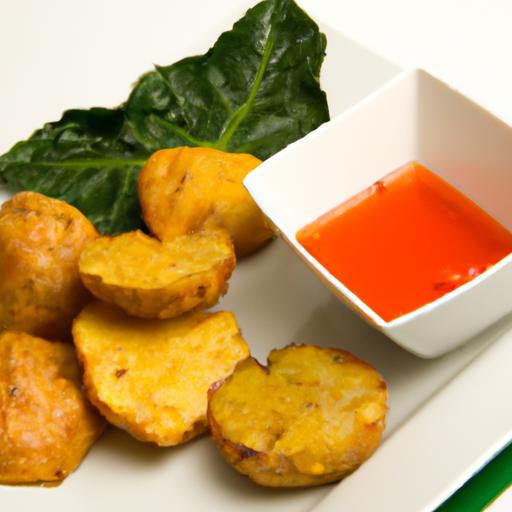

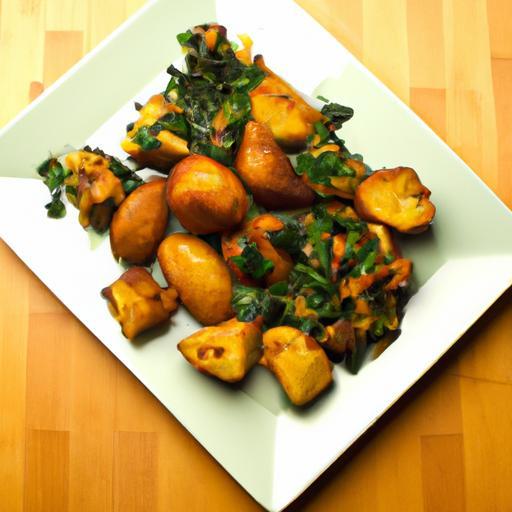
golden, crispy, and irresistibly fragrant, Maakouda fritters are more than just a beloved street snack-they are a vibrant thread woven into the rich tapestry of West African culture.These golden potato patties,known locally by various names,capture the essence of communal gatherings,festive celebrations,and everyday warmth. in this exploration of Maakouda magic, we’ll uncover the roots of this culinary treasure, journey through its diverse regional twists, and reveal why these simple yet soulful fritters continue to enchant taste buds across West Africa and beyond. Whether enjoyed as a speedy street-side bite or a comforting homemade treat, Maakouda stands as a golden symbol of tradition, flavor, and shared heritage.
Maakouda Magic unveils the irresistible allure of West Africa’s beloved golden potato fritters - a simple yet soul-stirring snack that captures the heart of communal dining and rich cultural heritage. Originating from the vibrant streets of countries like Senegal, Ghana, and Nigeria, these crispy morsels tell stories of tradition, resourcefulness, and the joy of sharing flavorful comfort food. Whether sold by bustling market stalls or served at family gatherings, maakouda has cemented itself as a beloved icon that transcends generations, celebrated for its perfect balance between crunchy exterior and tender, seasoned interior.
Prep and Cook Time
- Readiness Time: 15 minutes
- Cooking Time: 20 minutes
- Total Time: 35 minutes
Yield
Approximately 12 medium-sized fritters
Difficulty Level
Easy – Perfect for beginners and seasoned cooks alike
Ingredients
- 4 large potatoes, peeled and boiled until fork-tender
- 1 small onion, finely chopped
- 2 cloves garlic, minced
- 1 tsp fresh ginger, grated
- 1 fresh chili (optional), finely diced for heat
- 2 tbsp fresh parsley or cilantro, chopped
- 1 tsp ground cumin
- 1/2 tsp ground turmeric
- 1 large egg, beaten (for binding)
- 1/2 cup all-purpose flour, sifted
- Salt and freshly cracked black pepper to taste
- Vegetable or peanut oil for frying
Instructions
- Prepare the potatoes: Drain the boiled potatoes and mash them in a large bowl until smooth but still slightly textured for that authentic bite.
- Sauté the aromatics: In a small pan, heat a teaspoon of oil and gently sauté the onion, garlic, ginger, and chili until soft and fragrant, about 3-4 minutes. Let cool slightly.
- Combine the mixture: Add the sautéed aromatics to the mashed potatoes. Stir in the chopped parsley, cumin, turmeric, salt, and pepper.
- Bind the batter: Add the beaten egg and sifted flour, mixing thoroughly until the mixture holds together well. Adjust flour quantity if necessary; the mixture should be firm but pliable.
- Shape the fritters: Using damp hands, form the potato mixture into small, flat patties roughly 2-3 inches in diameter and about 1/2 inch thick.
- Heat the oil: Pour vegetable oil into a heavy-bottomed skillet to a depth of about 1/2 inch. Heat over medium-high heat until shimmering but not smoking (around 350°F/175°C).
- Fry the fritters: Carefully place the patties in the hot oil,working in batches to avoid crowding. Fry for about 4-5 minutes per side or until a deep golden-brown crust forms. Flip gently to keep the edges intact.
- Drain and serve: Transfer the cooked maakouda to a wire rack or paper towels to drain excess oil.
Tips for Success
- Ensure potatoes are well mashed but not overworked to avoid a gummy texture. leaving small lumps adds to the rustic charm.
- Adjust the chili level based on your spice tolerance – maakouda welcomes subtle warmth or bold heat equally well.
- For a vegan version, swap the egg binder for 3 tablespoons of chickpea flour mixed with 2 tablespoons water.
- Test one fritter first to check seasoning and texture - you can always tweak ingredients before frying the entire batch.
- Make ahead: Prepare the mixture a few hours in advance and refrigerate, shaping and frying just before serving for ultimate freshness.
Flavor variations and Regional Twists
Many West African cooks bring unique spins to the classic maakouda. In Senegal, a splash of harissa paste adds smoky depth, while Ghanaian versions often incorporate finely minced smoked fish or shrimp for an umami boost. Nigerian adaptations sometimes fold in green peas or chopped bell peppers for a textural contrast and vibrant color. Explore these regional flavors to elevate your own maakouda magic.
Serving Suggestions and Pairings
Serve maakouda hot, garnished with fresh parsley and a wedge of lime for a bright finish. These golden potato fritters shine alongside spicy pepper sauce, cool yogurt dip, or tangy tomato relish. For a truly authentic feast, pair with West African staples like jollof rice, grilled suya skewers, or a refreshing kachumbari salad. Their crunchy exterior and soft center provide a delightful textural counterpoint that complements hearty mains and vibrant sides alike.

Nutritional Facts
| Per Serving (1 fritter) | Calories | Protein | Carbs | fat |
|---|---|---|---|---|
| Maakouda | 110 kcal | 2 g | 18 g | 3.5 g |
Q&A
Q&A: maakouda Magic – Exploring West Africa’s golden Potato Fritters
Q1: what exactly is Maakouda?
A: Maakouda is a beloved West African street food-golden, crispy potato fritters bursting with flavor. Think of it as the region’s answer to comfort food, where humble mashed potatoes meet aromatic spices, shaped into patties and fried to perfection. It’s a snack, a side dish, and sometimes even a quick meal all rolled into one crunchy bite.Q2: Where did Maakouda originate?
A: While Maakouda is enjoyed across various West African countries like Senegal, Mali, and Guinea, its roots trace back to Senegalese cuisine. Over time, it spread throughout the region, each locale adding its own unique spin on the recipe, making it a vibrant symbol of West African culinary creativity.
Q3: What makes Maakouda so special compared to other potato fritters?
A: It’s the aromatic spices and subtle flavors that make Maakouda stand out. Unlike generic potato fritters, Maakouda is usually seasoned with ingredients like garlic, onions, chili peppers, parsley, and sometimes a hint of ginger or nutmeg. This blend creates layers of taste that are both comforting and exciting, complemented by a satisfyingly crunchy exterior.
Q4: How is Maakouda traditionally prepared?
A: The magic begins with boiled and mashed potatoes. These are mixed with finely chopped onions, herbs, and spices, then shaped into small patties. The fritters are shallow or deep-fried until their outsides turn a gorgeous golden brown, creating a contrast between the crispy shell and soft, flavorful interior.Often, they’re served hot, accompanied by spicy sauces or fresh veggies.
Q5: Why is Maakouda considered a street food icon in West Africa?
A: Maakouda’s portability and quick cooking time make it a perfect street food. Vendors sell these irresistible fritters at markets, bus stops, and festivals, feeding the locals with something affordable, filling, and tasty.Beyond taste, Maakouda embodies the social fabric of West African life-bringing people together over shared moments of culinary joy.
Q6: Can Maakouda be reinvented or fused with other cuisines?
A: Absolutely! The beauty of Maakouda is its versatility. While traditionalists swear by the classic recipe, creative chefs have taken to infusing it with international flavors-think Maakouda topped with spicy aioli, stuffed with cheese, or served alongside fusion salads. Its simple base invites endless experimentation, bridging cultures through a humble potato fritter.
Q7: How can someone outside of West Africa best enjoy Maakouda?
A: Start by making it at home using authentic recipes online, sourcing fresh spices, and embracing the traditional cooking methods.If possible, visit West African restaurants or food festivals to experience it in its cultural context. Pair it with a tangy tamarind or hot pepper sauce to capture the true essence of this golden delight.
Q8: What does Maakouda teach us about West African culture?
A: Beyond the flavors, maakouda tells a story of resourcefulness, community, and party. It exemplifies how simple ingredients can be transformed through tradition and spice into a dish that nourishes body and soul. In every crispy bite, there’s a connection to heritage, family, and the vibrant rhythms of West African life.
Dive into the crispy world of Maakouda, and discover how this golden fritter carries centuries of culture in every mouthwatering crunch!
The Conclusion
as the last crisp, golden bite of maakouda melts away, it’s clear that these humble potato fritters are far more than just a snack-they are a vibrant thread in the rich tapestry of West African culinary heritage. From bustling street markets to family kitchens,maakouda carries the warmth of tradition,the spirit of community,and the joyful simplicity of comfort food. Whether you’re savoring them fresh off the griddle or recreating the recipe in your own kitchen, maakouda invites you to experience a little piece of West Africa’s golden magic-one delicious fritter at a time.