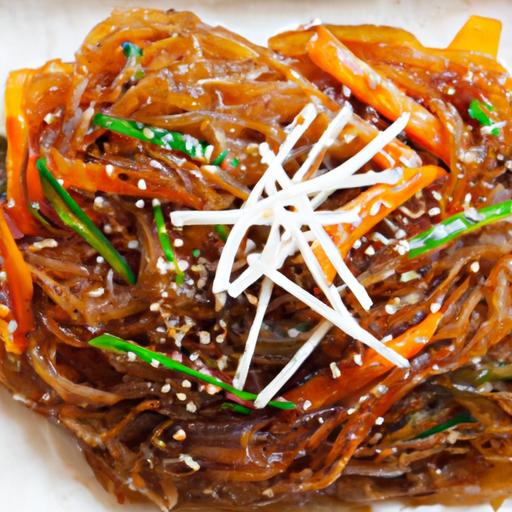

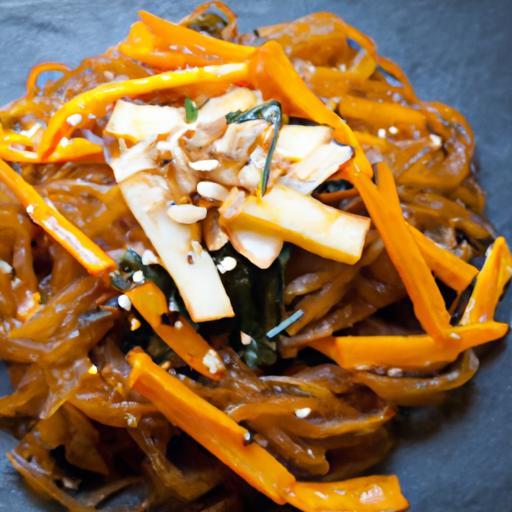
In the vibrant tapestry of Korean cuisine, few dishes capture the harmonious blend of texture, flavor, and history quite like Japchae. frequently enough described as a culinary symphony, Japchae’s star ingredient-the translucent, chewy sweet potato noodles-serves as the perfect canvas for a colorful medley of vegetables, savory meat, and delicate seasonings. But beyond its inviting appearance and delightful taste lies a deeper story: one of tradition, artistry, and the meticulous techniques handed down through generations. Join us as we unravel the secrets behind Japchae, exploring the origins and artistry that transform humble sweet potato starch into a beloved Korean masterpiece.
Japchae Unveiled: The Art of Korea’s Sweet Potato Noodles introduces you to a beloved Korean classic, a dish that effortlessly balances vibrant colors, textures, and flavors. Originating from the royal courts of the Joseon Dynasty, japchae was initially a festive treat crafted from sweet potato noodles stir-fried with a harmonious blend of vegetables and marinated beef. Over centuries, it transcended its aristocratic roots to become a cherished household staple across Korea, symbolizing celebration, unity, and culinary artistry. Each strand of translucent, chewy noodle carries centuries of tradition and cultural pride-making this dish more than just a meal, but a soulful experience.
Mastering japchae’s delicate balance-the glossy noodles, the perfectly sautéed vegetables, and the hint of sweetness and umami-requires understanding the key elements that make it so irresistible. Whether it’s your first time or a seasoned attempt, this recipe will guide you through every step toward creating a stunning plate of Korea’s signature sweet potato noodles.
Prep and Cook time
- Planning: 20 minutes
- Cooking: 15 minutes
- Total: 35 minutes
Yield
Serves 4 generous portions
Difficulty level
Medium – ideal for home cooks pleasant with vegetable prep and stir-frying techniques
Ingredients
- 8 oz (225 g) sweet potato noodles (dangmyeon)
- 6 oz (170 g) lean beef (sirloin or ribeye), thinly sliced
- 1 medium carrot, julienned
- 1 small yellow onion, thinly sliced
- 1 cup spinach, blanched and squeezed
- 4 dried shiitake mushrooms, rehydrated and sliced
- 3 green onions, diagonally sliced
- 2 cloves garlic, minced
- 2 tbsp soy sauce
- 1 tbsp sesame oil
- 1 tbsp sugar
- 1 tbsp vegetable oil
- 1 tsp toasted sesame seeds, for garnish
- Fresh ground black pepper, to taste
Instructions
- Prepare the noodles: Soak the sweet potato noodles in warm water for 20-30 minutes until soft but still slightly chewy. Drain and cut into shorter lengths for easier eating. Set aside.
- Cook the beef: In a large skillet or wok, heat 1 tsp vegetable oil over medium-high heat. Add the minced garlic and stir briefly until fragrant, about 30 seconds. Add the beef slices and cook until just browned,about 3-4 minutes. Remove and set aside.
- Sauté vegetables: In the same skillet, add another 1 tsp vegetable oil. Stir-fry the carrots, onions, and shiitake mushrooms separately for about 2-3 minutes each or until tender-crisp. Remove each vegetable as it finishes cooking to retain their textures and colors.
- Cook the noodles: Bring a pot of water to a boil. Add the soaked noodles and cook for 5-6 minutes until tender but with a firm bite (al dente). Drain thoroughly and rinse with cold water to stop cooking. Toss with 1 tsp sesame oil to prevent sticking.
- Combine all ingredients: Return all cooked components to the skillet-noodles,beef,vegetables,spinach,and green onions. Pour soy sauce, sugar, and 1 tbsp sesame oil over the mixture. Toss gently but thoroughly for 2-3 minutes over medium heat, allowing the flavors to meld beautifully without breaking the noodles.
- Final seasoning: Adjust the seasoning by adding black pepper to taste. Remove from heat and transfer to a serving platter.
- Garnish and serve: sprinkle toasted sesame seeds on top and serve warm or at room temperature.
Chef’s Notes
- Sweet Potato Noodles: Authentic dangmyeon are key to achieve that signature chewy texture. Avoid overcooking – the noodles shoudl always have a pleasant bounce.
- Vegetable Variety: Feel free to add colorful bell peppers, zucchini, or bean sprouts to brighten the dish further.
- Protein Options: For a vegetarian version,replace beef with firm tofu or omit it entirely; mushrooms provide great umami depth.
- Make-Ahead: Japchae tastes fantastic the next day. Store in an airtight container and gently reheat to keep noodles from drying out.
Serving Suggestions
Traditionally served as a side dish during Korean celebrations, japchae shines alongside bulgogi and other Korean classics. For a colorful presentation, arrange japchae on a large white platter to highlight the medley of colors-bright orange carrot, deep green spinach, dark mushrooms, and translucent noodles. Garnish with extra sesame seeds and thin strips of egg omelet or red chili threads for visual contrast. serve with kimchi and steamed rice to create a balanced, authentic Korean meal experience.
| Nutrient | Per Serving |
|---|---|
| Calories | 320 kcal |
| Protein | 18 g |
| Carbohydrates | 40 g |
| Fat | 8 g |

Q&A
Q&A: Japchae Unveiled – The Art of Korea’s Sweet Potato noodles
Q1: What exactly is Japchae?
A1: Japchae is a vibrant,savory-sweet Korean dish made from glass noodles-also known as dangmyeon-crafted from sweet potato starch. It’s a colorful medley of stir-fried vegetables, tender marinated beef (optional), and jang (a savory soy-based sauce), creating a harmonious blend of textures and flavors that dance on the palate.Q2: Why are sweet potato noodles used instead of regular wheat noodles?
A2: Sweet potato noodles are prized for their unique elasticity and glossy appearance. Unlike wheat noodles, thay have a pleasantly chewy texture with a slight translucence that beautifully absorbs the marinade’s flavors without becoming mushy. Their natural gluten-free property is an added bonus, making Japchae accessible to many dietary needs.
Q3: How did Japchae originate, and what cultural meaning does it hold?
A3: Legend has it that Japchae was created in the royal court of the Joseon Dynasty as a celebratory dish. Over time, it transformed from a regal delicacy to a beloved staple for Korean festivals, weddings, and family gatherings. Japchae embodies harmony-not just in flavor but in Korean culinary ideology-balancing colors, textures, and tastes to symbolize unity and prosperity.
Q4: What are the key ingredients that make Japchae special?
A4: beyond the signature sweet potato noodles, Japchae features a vibrant ensemble-carrots, spinach, mushrooms (often shiitake), onions, and bell peppers. Garlic and sesame oil imbue it with an aromatic depth,while soy sauce lends umami richness. When meat is included, thinly sliced beef is marinated and stir-fried to perfection, adding a smoky, savory layer.
Q5: Can Japchae be customized or made vegetarian?
A5: Absolutely! Japchae is incredibly versatile. Though traditionally including beef, many opt for a vegetarian or vegan version by omitting meat and enhancing flavors with tofu or additional mushrooms. The core essence lies in the harmonious interplay of noodles and vegetables, so creativity is warmly embraced.
Q6: What is the secret to achieving the perfect Japchae texture?
A6: Timing and technique are critical. Sweet potato noodles should be soaked or boiled just enough to reach tenderness while retaining that coveted chewy bite. Stir-frying each vegetable individually preserves their distinct textures and colors. Lastly, the noodles and ingredients are combined gently, ensuring a silky coat of sauce without overmixing or sogginess.
Q7: How is Japchae typically served and enjoyed?
A7: Japchae can be enjoyed hot, warm, or at room temperature, making it a flexible dish year-round. It’s often served as a side dish (banchan) alongside Korean BBQ or as a main during festive occasions.Its vibrant colors and enticing aroma make it a crowd-pleaser, symbolizing celebration and communal joy at any table.
Q8: where can one find authentic Japchae outside Korea?
A8: Authentic Japchae is increasingly accessible worldwide in Korean restaurants, specialty markets, and even cooking classes. For the adventurous, crafting it at home allows a deeper connection to Korea’s culinary heritage-a delicious way to explore culture through flavor.
Through Japchae’s translucent noodles and vibrant mix-ins, Korea’s rich culinary artistry unfolds-a testament to tradition, balance, and the simple joy of sharing remarkable food.
Insights and Conclusions
As our journey through the vibrant strands of japchae draws to a close, we come to appreciate that this humble dish is far more than just sweet potato noodles tossed with vegetables and meat. It is a tapestry woven from Korean history, culture, and culinary artistry-each glossy strand carrying whispers of festive tables, family gatherings, and the meticulous craft of generations past.To savor japchae is to taste the harmony of texture and flavor, the balance of sweet, savory, and earthy notes that dance on the palate with effortless grace. Whether as a celebratory centerpiece or a comforting everyday meal, japchae invites us to explore the soul of Korea, one translucent noodle at a time. so next time you twirl those shimmering threads onto your fork, remember: you’re indulging in a dish that tells a story much deeper and richer than its glossy surface suggests.