
There’s something undeniably magical about the ocean’s bounty-fresh, briny, and bursting with flavor-that transforms a simple dish into a celebration of the sea. Seafood risotto, with its creamy texture and delicate balance of savory notes, is a culinary masterpiece that invites both novice cooks and seasoned chefs to experiment and savor every bite. In this article, we dive into the art of crafting the perfect seafood risotto recipe, exploring tips, techniques, and fresh ingredients that elevate this classic Italian comfort food to new heights. Whether you crave plump shrimp, tender calamari, or the subtle sweetness of scallops, prepare to embark on a flavorful journey that will awaken your palate and bring the taste of the ocean straight to your table.
Savor the Sea with fresh, succulent seafood that breathes life into every forkful of your creamy, dreamy risotto. Selecting the freshest fish, shellfish, and crustaceans is the first and most vital step to unlocking the authentic flavors that define this beloved Italian classic elevated by oceanic treasures.
Choosing the Freshest Seafood for Maximum Flavor
When crafting seafood risotto, freshness is paramount-it’s what transforms the dish from ordinary to remarkable. Look for radiant, clear eyes on whole fish, firm flesh that springs back when pressed, and shells that are tightly closed on mollusks and crustaceans. Avoid any seafood with off odors; the scent should evoke a clean,briny note reminiscent of the sea breeze. Ideally, source your ingredients from reputable fishmongers who can provide the catch of the day. Keep seafood chilled right up to cooking time to preserve its delicate texture and vivid taste.
Mastering the Creamy Texture of Risotto: Tips and Techniques
Achieving that signature creaminess without heavy cream hinges on technique paired with the right ingredients. Start with Arborio rice, renowned for its ability to absorb liquids and release starch to create a luscious texture. Toast the rice lightly in butter and onion until glossy but translucent before introducing your warm stock-gradually ladling it in while stirring constantly. This slow absorption encourages the rice to release its natural starches, giving your risotto a velvety, luxurious mouthfeel.
Don’t rush the process. The secret lies in patience and attention. Maintain a steady simmer, stirring gently to prevent sticking yet encouraging starch release. Near the end, fold in your freshly cooked seafood just long enough to heat through, preserving tender bite and delicate flavors.
Balancing Aromatics and Seasonings to Elevate Your Dish
The foundation of any great seafood risotto starts with aromatics that play in harmony, layering complexity.Use finely diced shallots or sweet onions sautéed in butter or olive oil for sweetness and depth. A hint of garlic builds warmth, but be careful not to overpower the seafood’s natural briny essence.
Fresh herbs like flat-leaf parsley or chives add brightness just before serving. A splash of white wine during cooking introduces a subtle acidity that cuts through the richness, while finishing with a squeeze of fresh lemon juice can awaken every ingredient on the plate. Season judiciously with sea salt and freshly cracked black pepper, tasting continuously to strike the perfect balance that complements rather than competes with your star seafood.
Plating and Pairing Suggestions for a Memorable Seafood Risotto Experience
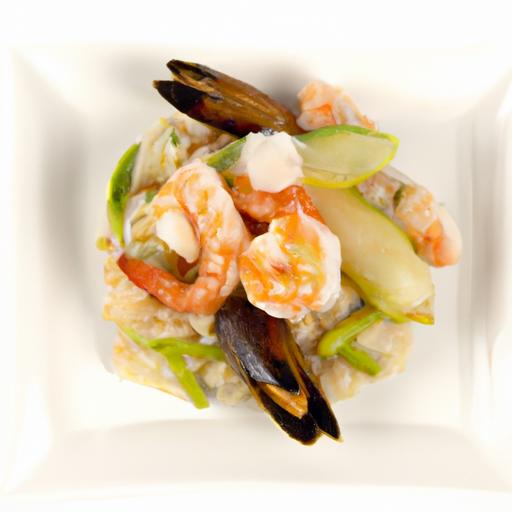
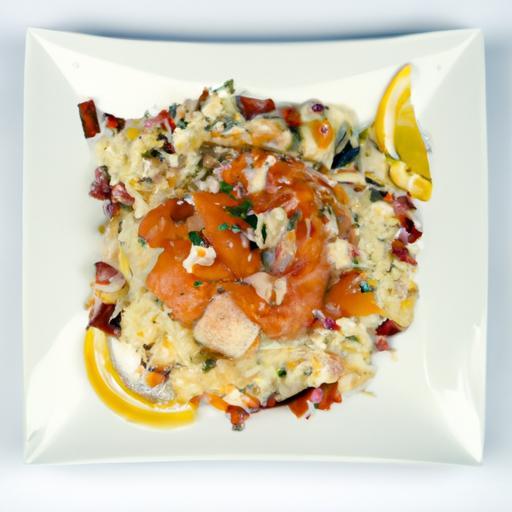
Presentation can elevate your seafood risotto into a feast for the eyes as well as the palate. Serve in shallow bowls to showcase the creamy texture, nestling the seafood atop or gently folded in for inviting visual layers. Garnish with delicate sprigs of fresh herbs, a light drizzle of quality extra virgin olive oil, and lemon zest curls for color and zest.
For the perfect accompaniment, pair with crisp, chilled white wines like Pinot Grigio or Sauvignon Blanc to contrast the dish’s creaminess. A simple mixed green salad with a tangy vinaigrette or grilled asparagus adds refreshing notes that complete the experience without overwhelming the delicate seafood flavors.
Prep and Cook Time
- Prep Time: 20 minutes
- Cook Time: 35 minutes
- Total Time: 55 minutes
Yield
Serves 4 generous portions
Difficulty Level
Medium – Requires attentive stirring and precise timing, but approachable with practise
Ingredients
- 1 ½ cups Arborio rice
- 4 cups seafood or vegetable stock, kept warm
- 1 lb mixed fresh seafood (shrimp, scallops, clams, mussels), cleaned
- 2 tbsp unsalted butter
- 2 tbsp olive oil
- 1 small shallot, finely diced
- 2 cloves garlic, minced
- ½ cup dry white wine
- Salt and freshly ground black pepper, to taste
- 2 tbsp chopped flat-leaf parsley
- Zest and juice of 1 lemon
- Fresh chives, for garnish
Instructions
- Prepare the seafood: Rinse and pat dry the seafood. set aside, keeping it chilled until needed.
- Sauté aromatics: In a large heavy-bottomed pan, heat olive oil and 1 tablespoon butter over medium heat. Add diced shallot and garlic; sauté until fragrant and translucent, about 3 minutes.
- Toast the rice: Add Arborio rice and stir thoroughly, coating each grain with butter and oil. toast for about 2-3 minutes until edges are translucent but the grain remains opaque.
- Deglaze with wine: Pour in white wine carefully. Cook, stirring constantly until the liquid is almost fully absorbed.
- Cook the risotto: Add warm seafood stock one ladle at a time,stirring gently. wait until each ladleful is absorbed before adding the next. Continue this process for 20-25 minutes until rice is tender but retains a slight bite.
- Cook the seafood: In a separate skillet, melt remaining butter.Quickly sear shrimp and scallops over medium-high heat for about 2 minutes per side until just opaque. For clams and mussels, steam in a splash of white wine until shells open.
- Incorporate seafood: Fold the cooked seafood gently into the risotto during the last 3 minutes of cooking to warm through.
- Season and finish: Stir in lemon zest, juice, and chopped parsley. Adjust salt and pepper. Remove from heat and let rest for 1-2 minutes to meld flavors.
- Serve: Plate in warm bowls and garnish with fresh chives and an extra drizzle of olive oil or a lemon wedge.
Chef’s Notes
- For a dairy-free version, substitute butter with olive oil and omit finishing butter.
- Use fish stock for a more intense ocean flavor; or else,vegetable stock is a subtle alternative.
- If seafood is limited, incorporate firm white fish like cod or haddock, cut into cubes.
- Do not overcook seafood to avoid rubbery texture-add it near the end as directed.
- Leftover risotto can be transformed into risotto cakes: chill, form patties, and pan-fry until golden.
Serving Suggestions
Serve with a chilled glass of Pinot Grigio or crisp Sauvignon Blanc. Present alongside a crisp mixed green salad or grilled seasonal vegetables. To elevate presentation, use large shallow bowls and garnish with bright, freshly chopped herbs and a zest of lemon to beckon the eye and palate.
| nutrient | Per Serving |
|---|---|
| Calories | 420 kcal |
| Protein | 35 g |
| Carbohydrates | 45 g |
| Fat | 12 g |

For deeper inspiration on risotto techniques, explore our Classic Italian Risotto Guide.
Q&A
Q&A: Savor the Sea – Crafting the Perfect Seafood Risotto Recipe
Q1: What makes seafood risotto a standout dish compared to other seafood recipes?
A1: Seafood risotto is a harmonious dance between creamy, luscious arborio rice and the briny bounty of the sea. Unlike simpler seafood dishes, risotto turns humble grains into a velvety canvas that absorbs the essence of shellfish, fish, and aromatic broth. The slow-cooking process creates layers of flavor and a texture that’s both comforting and refined-truly a celebration of oceanic flavors in every bite.
Q2: Which seafood varieties work best in a risotto?
A2: Versatility is the beauty of seafood risotto. Classic choices include succulent shrimp,tender scallops,and briny mussels. Calamari rings add a delightful chew, while flaky white fish like cod or halibut blends seamlessly into the creamy base. Freshness is key-using the freshest catch elevates your risotto from good to sublime.
Q3: How do I achieve the perfect creamy texture without it becoming mushy?
A3: The secret lies in patience and technique. use arborio or carnaroli rice, which are high in starch and naturally creamy when cooked slowly. Add warm broth ladle by ladle,stirring constantly to coax out the rice’s starch without overcooking. The goal is al dente grains-soft on the outside yet firm to the bite-enshrined in a luscious, slightly loose sauce.
Q4: What role does the broth play, and how should I prepare it?
A4: Broth is the heart of your risotto. A rich,aromatic seafood or fish stock infuses every grain with oceanic depth,intensifying the dish’s complexity. Prepare it by simmering shrimp shells, fish bones, and aromatic vegetables like celery, onion, and carrot. Strain to keep the liquid clean and flavorful. If fresh stock isn’t an option, high-quality seafood broth cubes or bottled stock can work in a pinch.
Q5: Can I add wine to my seafood risotto? If so, how and when?
A5: Absolutely. A splash of dry white wine early in the cooking process adds a lively acidity that balances the richness. After sautéing your aromatics and toasting the rice, deglaze the pan with wine before gradually adding the broth. As the alcohol evaporates, it leaves behind subtle fruity and mineral notes that marry beautifully with the sea flavors.
Q6: What final touches elevate a seafood risotto from tasty to unforgettable?
A6: Finish with a pat of cold butter and a generous handful of grated Parmesan for a luxurious silkiness, though some prefer just a squeeze of fresh lemon juice and a sprinkle of fresh herbs like parsley or chives to brighten the dish. A drizzle of high-quality olive oil adds a fragrant, peppery kick. Don’t be shy with seasoning-taste frequently and adjust to let every ingredient shine.
Q7: How can I make my seafood risotto visually appealing?
A7: Presentation is part of the feast! Serve your risotto in shallow bowls to showcase the creamy texture. Garnish with vibrant herbs, a twist of lemon zest, or even a few whole cooked shellfish on top. A sprinkle of freshly cracked black pepper and a light dusting of finely chopped chives adds contrast and freshness.Q8: Any pro tips for seafood risotto beginners looking to impress?
A8: Start with a clean mise en place-have all ingredients prepped and broth warmed before you begin.Cook your seafood separately and fold it in towards the end to prevent overcooking. Keep your heat moderate and your stirring consistent-that gentle rhythm is key to coaxing the risotto’s signature creaminess. And remember: risotto is as much about the journey as the destination, so savor each step!
With this Q&A guide in hand, your journey to crafting the perfect seafood risotto promises to be both flavorful and deeply satisfying-an edible ode to the sea you’ll want to return to again and again.
The Conclusion
As the final grains of arborio melt into a creamy symphony of ocean flavors, your seafood risotto becomes more than just a meal-it’s a celebration of the sea’s bounty and the artistry of patience. Whether you’re nestled by the shore or dreaming of coastal breezes from your kitchen, this dish invites you to savor every bite, every texture, every nuanced note of briny sweetness.With your newfound recipe in hand, the perfect seafood risotto is no longer a distant dream but a delicious reality waiting to grace your table again and again. Dive in, savor deeply, and let the sea’s essence transform your culinary repertoire one spoonful at a time.