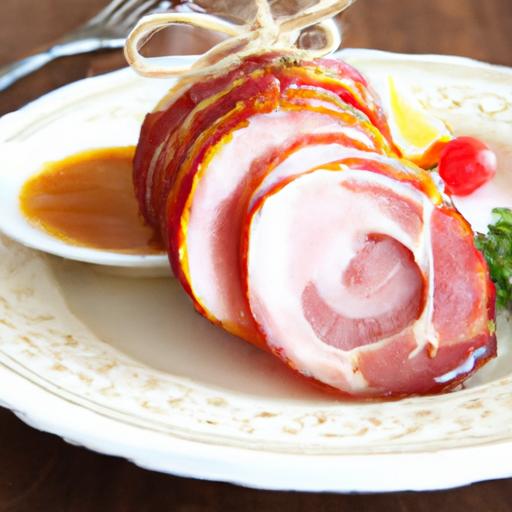

In the realm of culinary delights, few dishes evoke the warm, comforting charm of a perfectly glazed honey baked ham. But behind the golden,caramelized crust and tender,juicy meat lies a fascinating interplay of science and tradition-a sweet science that transforms humble ingredients into an unforgettable feast. from the precise balance of sugars and spices to the chemistry of slow roasting, this article delves into the art and science behind crafting the ultimate honey baked ham. Whether you’re a seasoned cook or a curious food lover, join us as we unravel the secrets that make this classic recipe a timeless centerpiece on tables worldwide.
The Sweet Science Behind Perfect Honey Baked Ham Recipes is truly a culinary adventure that blends the art of cooking with the fascinating chemistry of caramelization. When crafting a flawless honey glaze, understanding how the sugars transform under heat unlocks that irresistible golden crust and deep, complex flavor. Every stage from selecting the right ham to balancing the glaze’s sweetness with a spicy kick is essential to elevate this beloved dish from ordinary to exceptional.
Prep and Cook Time
- Preparation: 20 minutes
- Cooking: 1 hour 30 minutes
- Resting Time: 15 minutes
- Total Time: 2 hours 5 minutes
Yield
Serves 8 to 10-perfect for family gatherings or festive celebrations.
Difficulty Level
Medium – approachable for motivated home cooks comfortable with roasting and glazing techniques.
Ingredients
- 1 whole bone-in ham (8 to 10 pounds),preferably a shank or butt cut for best flavor absorption
- 1 cup pure honey,raw or mild-flavored for rich caramel notes
- ½ cup brown sugar,packed
- ¼ cup Dijon mustard for subtle tang that cuts through sweetness
- 2 tbsp apple cider vinegar to balance glaze acidity
- 1 tsp ground cinnamon for warm spice depth
- ½ tsp cayenne pepper (optional) for a hint of heat
- 2 cloves garlic,minced
- ¼ cup water to loosen glaze if needed
- Whole cloves,about 20 for studding the ham (optional)
Instructions
- Prepare the ham: Remove any packaging and pat the ham dry with paper towels. Using a sharp knife, score the surface in a diamond pattern about ½ inch deep. This allows the glaze to penetrate.
- Stud with cloves: If using, gently press whole cloves into the intersections of the scored lines for that signature aroma and a visually appealing finish.
- Preheat your oven: Set to 325°F (163°C), perfect for slow and even roasting that locks in moisture.
- Make the glaze: In a medium saucepan, combine honey, brown sugar, Dijon mustard, apple cider vinegar, cinnamon, cayenne pepper, and garlic. Warm gently over medium heat, stirring until the sugar dissolves and the mixture is smooth, about 5 minutes.
- Glaze and roast: Place the ham on a roasting rack set inside a roasting pan. Brush a generous layer of glaze over the ham. Tent loosely with foil to prevent burning.
- Roast and baste: Bake the ham for about 1 hour and 15 minutes, basting every 15 minutes with additional glaze. during the final 10 minutes, remove the foil to encourage caramelization. keep a close eye as the sugars in the glaze transform into that luscious golden crust. If glaze thickens too much, add a splash of water to maintain brushable consistency.
- Rest before slicing: Remove the ham from the oven and let it rest for 15 minutes, allowing juices to redistribute and the glaze to set beautifully.
- Serve and savor: Slice thick or thin, as you prefer, making sure to showcase the crispy, aromatic glaze.
Tips for Success
- Choose the right cut: Shank halves and butt cuts frequently enough absorb flavors best due to their marbling and texture. Avoid pre-sliced or spiral-cut hams for this recipe,as they can dry out easily.
- Understand caramelization: The sugars in honey and brown sugar begin to caramelize around 320°F (160°C), producing rich flavor and color. Be attentive during the last stages of roasting to avoid burning.
- Balancing glaze: The acidity from apple cider vinegar and the heat from cayenne pepper create a signature sweet-spicy profile that keeps the glaze from tasting cloying-adjust according to your taste.
- Make-ahead: Prepare the glaze a day in advance and refrigerate. Warm it gently before glazing for convenience and intensified flavors.
- Resting matters: Never skip resting as it helps the ham’s juices settle, preventing dryness and ensuring each bite is moist.
Serving Suggestions
Present your honey baked ham on a rustic wooden board or gleaming platter, garnished with:
- Fresh sprigs of rosemary and thyme for herbal brightness
- Thin slices of crisp apples or pears alongside to complement sweetness
- Roasted root vegetables tossed lightly in olive oil and sea salt
- A side of tangy mustard sauce or dijon aioli for dipping
Pair with a chilled Riesling or a spiced cider for a festivity-worthy meal.
| nutrient | Per Serving (approx.) |
|---|---|
| Calories | 450 kcal |
| Protein | 35 g |
| Carbohydrates | 20 g |
| Fat | 18 g |

For a deeper dive into roasting techniques and ham selection, see our Ultimate Guide to Roasting Meats. To explore the fascinating science of sugar caramelization, visit Science of Cooking.
Q&A
Q&A: The Sweet Science Behind perfect Honey Baked Ham Recipes
Q1: What makes honey baked ham so irresistibly delicious?
A1: The magic lies in the harmonious marriage of savory and sweet – the salty, smoky ham glazed with a layer of honey-infused sweetness creates a symphony on your taste buds. The honey caramelizes during baking, creating a glossy, slightly crunchy crust that seals in the juicy tenderness beneath.
Q2: Why is honey the star ingredient in these recipes?
A2: Honey isn’t just a sweetener; it’s a natural humectant, meaning it locks moisture into the meat as it bakes. Plus, its complex sugars promote the Maillard reaction-the chemical browning that adds rich flavor and that signature golden glaze-giving honey baked ham its crave-worthy aroma and color.Q3: Can I use any type of honey,or does it affect the flavor?
A3: Different honeys can subtly shift the flavor profile. Mild honeys like clover give a gentle sweetness, while robust varieties such as buckwheat or wildflower offer deeper, earthier tones. Choosing your honey is like selecting a brushstroke in your culinary masterpiece-it shapes the character of your glaze.
Q4: How important is the glazing technique in perfecting the ham?
A4: Crucial! Applying thin, even layers of honey glaze multiple times during baking allows each coat to caramelize perfectly without burning. This layering builds a complex, sticky crust that’s bursting with flavor and texture – think of it as painting on layers of golden sweetness.
Q5: Why do many recipes call for combining honey with othre ingredients like mustard, brown sugar, or spices?
A5: Honey plays well with buddies! Mustard adds tang and depth, brown sugar intensifies sweetness and helps with caramelization, and spices such as cloves, cinnamon, or black pepper deepen complexity. Together, they create a multidimensional glaze that elevates rather than overwhelms.Q6: How can I ensure my honey baked ham remains juicy and tender?
A6: Start with a high-quality, pre-cooked ham and avoid drying out by baking at moderate temperatures. The honey glaze helps retain moisture, but resting the ham after baking allows the juices to redistribute evenly, resulting in tender slices that sing with succulence.
Q7: Is there a secret tip to elevate homemade honey baked ham beyond the store-bought versions?
A7: Absolutely! Try scoring the ham’s surface in a diamond pattern before glazing – this increases the glaze’s grip and flavor penetration. Also, finish with a touch of finishing salt or a sprinkle of freshly cracked black pepper for contrast. The interplay of sweet, salty, and spice is the science behind sublime.Q8: Can honey baked ham recipes be adapted for different dietary needs?
A8: Yes! For example, using pure, organic honey and natural spices keeps the recipe clean and wholesome. For lower sodium options, opt for hams labeled “low-sodium” or rinse the ham beforehand.The glaze itself can be tailored-substituting brown sugar with alternatives like maple syrup or coconut sugar can also tweak the flavor and health profile.
Unlocking the sweet science behind honey baked ham reveals why this timeless dish is both a beloved tradition and a culinary masterpiece.With honey as your secret weapon, each bite becomes a perfect balance of sticky sweetness, tender smokiness, and golden crusted bliss.
Wrapping Up
As you embark on your next culinary adventure with honey baked ham, remember that beneath its golden, caramelized crust lies a symphony of science and tradition perfectly blended. From the Maillard reaction that crafts those irresistible flavors to the delicate balance of sweet and savory that elevates every slice, understanding the sweet science transforms a simple recipe into a masterpiece. So whether you’re a seasoned chef or a curious home cook, let this knowledge guide your hands-and your taste buds-to create the perfect honey baked ham that’s as much a celebration of flavor as it is of craftsmanship. After all, the sweetest success is always rooted in a little science.