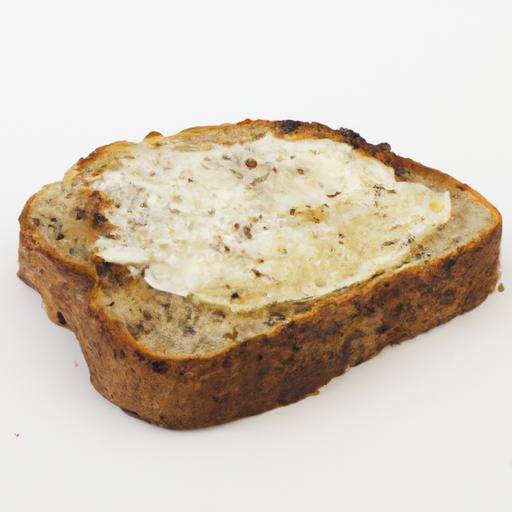

In a world where every meal counts and nutrition is king, bread-the humble staple of countless tables-is undergoing a mighty change.Say goodbye to the days of empty carbs and hello to a new hero on the shelf: high-protein bread. Blending culinary tradition with modern nutritional science, this rising loaf is powering up breakfast, lunch, and dinner with a boost of muscle-loving protein and a satisfyingly hearty bite. Join us as we explore the ascent of high-protein bread, uncovering how it’s reshaping our favorite carb companion into a nutritional powerhouse that’s as delicious as it is indeed nourishing.
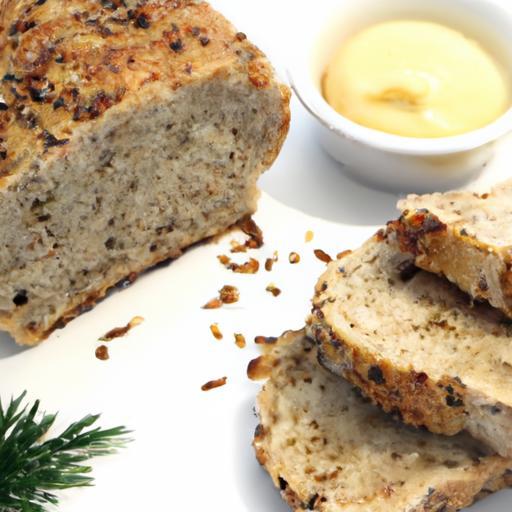
Power Up Your loaf with high-protein bread that elevates your meals by fusing wholesome nourishment and vibrant flavors. This innovative approach reshapes classic baking, inviting nutrient-rich ingredients like chia seeds, pea protein, and almond flour to pridefully replace customary white flours, creating loaves packed with muscle-fueling power and texture diversity. Whether your an athlete, a busy professional, or simply a health-conscious foodie, integrating this bread into your day adds the perfect balance of hearty protein and satisfying taste.
Prep and Cook Time
Preparation: 15 minutes
Proofing: 1 hour 30 minutes
Baking: 35 minutes
Total Time: Approximately 2 hours 20 minutes
Yield
Makes 1 loaf (about 12 slices)
Difficulty Level
Medium – perfect for bakers ready to explore protein-enriched doughs with reliable guidance.
Ingredients
- 1 1/2 cups whole wheat flour, sifted
- 1 cup oat flour (finely ground rolled oats)
- 1/2 cup almond flour
- 1/3 cup pea protein powder (unflavored)
- 2 tbsp chia seeds (soaked in 5 tbsp water for 10 minutes)
- 1 tsp sea salt
- 2 tsp active dry yeast
- 1 1/4 cups warm water (around 110°F / 43°C)
- 2 tbsp olive oil
- 1 tbsp honey (or maple syrup for vegan)
Instructions
- Activate the yeast: In a small bowl, combine warm water, honey, and yeast. Let it bloom for 5-7 minutes untill frothy.
- Prepare the chia gel: Soak chia seeds in 5 tbsp water for at least 10 minutes to achieve a gel-like consistency-this increases moisture and binds the dough naturally.
- Combine dry ingredients: In a large mixing bowl, whisk together whole wheat flour, oat flour, almond flour, pea protein powder, and sea salt evenly.
- Mix wet ingredients: Add the activated yeast mixture, chia gel, and olive oil to the dry ingredients. Stir gently with a wooden spoon until the dough begins to form.
- Knead the dough: Transfer the dough onto a lightly floured surface and knead for 8-10 minutes, or until smooth and elastic. If too sticky, sprinkle a little more flour, but avoid adding too much to keep the bread tender.
- Frist rise: place the dough in an oiled bowl, cover with a damp kitchen towel or plastic wrap, and let it rise in a warm spot for about 1 hour or until doubled in size.
- Shape the loaf: Punch down the dough gently, shape it into a loaf, and place it in a greased 9×5-inch loaf pan. Cover again and allow to rise for 30 minutes.
- Bake: Preheat the oven to 375°F (190°C). Bake the loaf for 35 minutes until the crust is golden and the loaf sounds hollow when tapped. If browning too quickly,cover loosely with foil.
- Cool down: Remove bread from the pan and transfer to a wire rack to cool wholly before slicing-this helps set the crumb and prevents crumbling.
Tips for Success
- for extra moisture: Substitute ¼ cup of water with plain greek yogurt or mashed avocado for a tender crumb.
- Boost texture: Mix in 2 tbsp sunflower or pumpkin seeds on top of the loaf before baking for a delightful crunch.
- Substitutions: Use gluten-free oat flour if sensitive to gluten, but add a teaspoon of xanthan gum to improve dough structure.
- Make ahead: Slice and freeze the bread for up to 2 weeks; toast directly from frozen to revive freshness.
- Troubleshooting: If dough doesn’t rise well,verify yeast freshness and that water temperature wasn’t too hot (above 120°F).
Serving Suggestions
Enjoy your high-protein bread thickly sliced and toasted, slathered with creamy avocado and a sprinkle of chili flakes for a wholesome breakfast. It also pairs beautifully with smoked salmon and a lemon-dill spread for lunc. For a hearty snack, stack slices with roasted turkey, baby spinach, and mustard aioli. Garnish with fresh herbs like rosemary or thyme to highlight the loaf’s rustic, nutty notes.
| Nutrient | Per Slice (1/12th loaf) |
|---|---|
| calories | 110 kcal |
| Protein | 7.2 g |
| Carbohydrates | 15 g |
| Fat | 3.6 g |

For additional inspiration on incorporating power-packed ingredients into your daily eats, check out our Creative High-Protein Recipes. To learn more about pea protein’s benefits,visit Healthline’s comprehensive guide.
Q&A
Q&A: Power Up Your Loaf – The Rise of High-Protein Bread
Q1: What exactly is high-protein bread?
A1: High-protein bread is a modern twist on a kitchen staple,crafted to pack more muscle-kind protein into every slice. Unlike traditional loaves that rely primarily on wheat flour, these breads integrate protein-rich ingredients-like pea protein, chickpea flour, lentils, or added whey-to supercharge nutritional content without sacrificing taste or texture.
Q2: Why are more people turning to high-protein bread?
A2: Today’s health-conscious consumers crave foods that do more than just fill them up-thay want fuel that supports their active lifestyles. High-protein bread fits that bill perfectly, offering a convenient, everyday way to boost protein intake, enhance satiety, and support muscle repair and growth. Plus, it’s an easy swap for carb lovers aiming to balance their macros.
Q3: How does high-protein bread differ from regular bread in terms of nutrition?
A3: While a standard slice of bread might offer around 3-4 grams of protein, a slice of high-protein bread can double or even triple that amount-sometimes reaching 7 to 10 grams per slice.In addition, these loaves frequently enough have higher fiber content and lower glycemic index, making them a smarter choice for steady energy and digestive health.
Q4: Does high-protein bread taste different?
A4: thanks to innovation in formulation and baking techniques, many high-protein breads boast a pleasantly nutty, hearty flavor that complements a variety of toppings-think avocado, eggs, or natural nut butters. While some versions might have a denser crumb,many brands have mastered the balance,delivering a loaf that feels familiar but packs a nutritional punch.
Q5: Who can benefit the most from high-protein bread?
A5: Athletes, fitness enthusiasts, and anyone looking to increase daily protein intake without cumbersome supplements can all benefit. Vegetarians and vegans, in particular, may find high-protein breads an accessible and tasty way to diversify their protein sources. Even busy professionals striving for healthier meal prep options can enjoy the convenience.
Q6: How can I incorporate high-protein bread into my diet?
A6: The possibilities are endless! Use it for sandwiches, toast topped with nutrient-rich spreads, or even as a base for creative open-faced meals.Pair it with eggs for breakfast, load it with lean meats or plant-based proteins for lunch, or enjoy it alongside soups and salads for dinner. It’s a versatile canvas that powers up your meals with ease.
Q7: Are there any considerations to keep in mind when choosing high-protein bread?
A7: Absolutely. It’s vital to check ingredient lists for excessive additives or hidden sugars. Not all high-protein breads are created equal-some might rely on processed protein isolates, while others use whole-food protein sources. Also, those with allergies or sensitivities should be mindful of ingredients like soy, nuts, or gluten.
Q8: Is high-protein bread sustainable and environmentally friendly?
A8: Many high-protein breads now incorporate plant-based proteins, which tend to have a lower environmental footprint compared to animal-derived ingredients. This shift aligns with broader dietary trends favoring sustainability. However,the overall impact depends on sourcing,production methods,and packaging-so choosing brands committed to eco-friendly practices makes a difference.
Q9: What does the future hold for high-protein bread?
A9: As consumers continue to seek functional foods that nourish the body and delight the palate, expect high-protein bread to evolve with innovative blends, improved textures, and tailored nutrition profiles-think gluten-free, keto-friendly, and even fortified versions geared toward specific health goals. It’s a delicious journey of reinvention that’s just beginning.
power up your loaf, and you power up your day!
Closing Remarks
As the humble loaf steps into the spotlight, fortified with protein and packed with purpose, it’s clear that bread is no longer just a sidekick on our plates. High-protein bread is rewriting the recipe for nourishment, blending tradition with innovation to fuel our modern lifestyles. Whether you’re an athlete seeking sustained energy, a busy professional chasing balanced meals, or simply a bread lover craving more from your carbs, this rising star invites you to power up every bite. So next time you reach for that slice, remember: it’s not just bread-it’s your new protein partner, ready to elevate every meal and master your day.