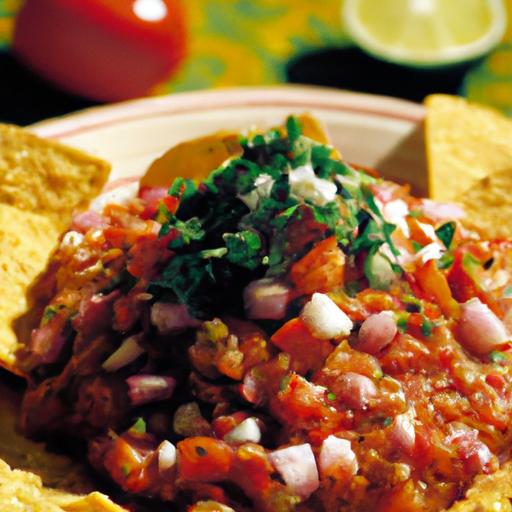

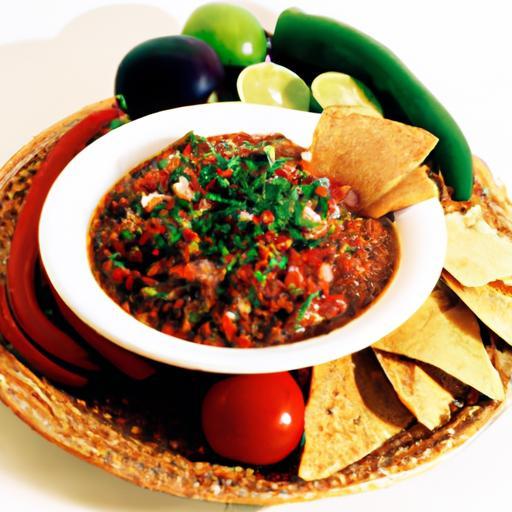
Beneath the vibrant tapestry of Mexican cuisine lies a sauce that embodies its spirit-bold, passionate, and deeply rooted in tradition. Salsa Roja, often celebrated yet sometimes misunderstood, is far more than just a condiment; it is the fiery heart that ignites plates and palates alike.From smoky chipotle whispers to sharp, fresh bursts of tomato and chili, this vibrant red salsa tells a story of culture, history, and flavor that has traveled generations. In this article, we peel back the layers of Salsa Roja, unveiling its origins, variations, and the essential role it plays in bringing Mexican dishes to life. Prepare to embark on a flavorful journey where every spoonful pulses with warmth and heritage.
Salsa Roja is more than just a spicy condiment; it embodies the fiery essence of Mexican cuisine, connecting centuries of tradition to every vibrant scoop. This iconic sauce traces its origins back to indigenous Mesoamerican cultures, where fresh tomatoes, chilies, and native herbs were blended over open flames to create bold flavors that awakened the senses and enhanced every meal. Whether enjoyed at bustling street markets or family gatherings, its robust character remains a testament to Mexico’s culinary ingenuity and the warmth of its people.
Prep and Cook Time
- Preparation: 10 minutes
- Cooking: 15 minutes
- Total Time: 25 minutes
Yield
Approximately 2 cups (serves 6-8 as a condiment)
Difficulty Level
Easy – Perfect for beginners and seasoned cooks alike
key Ingredients That Define Its Bold Flavor
- 4 medium ripe Roma tomatoes – the base, offering sweetness and acidity
- 2-3 dried guajillo chilies – bringing smokiness and moderate heat
- 1 dried ancho chili – lending depth and mild earthiness
- 1 small white onion – for a hint of sharpness
- 2 cloves garlic – pungent and aromatic, essential for balance
- 1 tsp sea salt – enhances all flavors
- 1 tsp cumin seeds – toasted to unlock warmth
- 1 tbsp vegetable oil – for sautéing
- Fresh cilantro (optional) – adds brightness and herbaceous notes
- Juice of ½ lime – to finish with a zesty sparkle
Step by Step Guide to Crafting Authentic Salsa Roja
- Toast the dried chilies gently in a hot, dry skillet one at a time until aromatic, about 30 seconds each. Avoid burning to prevent bitterness. Remove stems and seeds for milder heat.
- Boil the tomatoes in a pot of water until skins start to split, about 3-4 minutes. Promptly transfer to ice water,then peel and halve them.
- Sauté diced onion and garlic in vegetable oil over medium heat until translucent and golden, about 5 minutes. Stir frequently to avoid burning.
- Rehydrate the toasted chilies by soaking them in hot water for 10 minutes until soft.
- Combine the peeled tomatoes, softened chilies, sautéed onion and garlic, cumin seeds, and salt into a blender. Pulse until a smooth, vibrant red sauce forms.
- Transfer the salsa to a saucepan and simmer gently for 10 minutes, stirring occasionally. This melds flavors and deepens the sauce’s complexity.
- Finish by stirring in fresh lime juice and chopped cilantro (if using), brightening the sauce and balancing the smoky heat.
- Cool slightly before serving or refrigerate for up to a week to let flavors mature.
Creative Pairings to Elevate Your Mexican Dishes
With its bold, vibrant flavor, salsa roja is a culinary chameleon. Drizzle it over crispy tacos al pastor or use as a fiery dip for fresh tortilla chips on game day. It transforms scrambled eggs into a bright brunch staple and complements grilled meats like juicy carne asada or tender pollo asado.For an unexpected twist, spoon salsa roja over creamy avocado toast or roasted vegetables to add depth and spice.
Tips for Success
- Customize your heat: Adjust the number and type of dried chilies. Substitute chipotle for smokier heat or add a pinch of cayenne for extra kick.
- Fresh vs. canned: For convenience, high-quality canned tomatoes can replace fresh in a pinch, but fresh brings unparalleled brightness.
- Texture control: Blend longer for a smooth sauce or short pulses for a chunkier salsa roja perfect for topping dishes.
- Make ahead: Salsa roja tastes even better the next day. Store chilled in an airtight container for up to 5 days or freeze for longer storage.
- Use quality ingredients: The simplicity of salsa roja means every element counts. Choose ripe tomatoes and fresh garlic for the best results.
Serving Suggestions
- Serve salsa roja in a rustic clay bowl, garnished with a sprig of fresh cilantro and a lime wedge for visual appeal.
- Pair with warm homemade corn tortillas or crispy tortilla chips to highlight its bold profile.
- Use as a topping alongside creamy Mexican crema or crumbled queso fresco to balance its fiery nature.
- Complement with pickled jalapeños or sliced radishes for contrasting crunch and acidity.

| Nutrient | Per 2 Tbsp |
|---|---|
| Calories | 25 |
| Protein | 1g |
| Carbohydrates | 5g |
| Fat | 1g |
Explore more about authentic Mexican sauces with our complete guide to Mexican salsas. To deepen your understanding of chili varieties, check out this chili pepper guide from Pacific Foods.
Q&A
Q&A: Salsa Roja Unveiled: The Fiery Heart of Mexican Cuisine
Q1: what exactly is Salsa Roja, and why is it considered the “fiery heart” of Mexican cuisine?
A: Salsa Roja, translating to “red sauce,” is a vibrant, spicy blend of tomatoes, chilies, garlic, onions, and cilantro. It’s called the fiery heart as it brings bold heat and deep flavor to countless Mexican dishes, embodying the passion and warmth of Mexican culinary traditions.
Q2: How did Salsa Roja become such a staple in mexican kitchens?
A: Salsa Roja’s roots trace back to indigenous cooking, where roasted ingredients were ground together for flavor-packed sauces. Over centuries, this versatile sauce evolved alongside regional tastes, becoming a beloved condiment that enhances everything from tacos to soups with its smoky, tangy punch.
Q3: What varieties of chilies are commonly used in Salsa Roja?
A: Chilies like jalapeño,serrano,and guajillo are popular choices,each imparting unique heat levels and flavor notes-from bright and crisp to smoky and earthy. The combination of these chilies creates the dynamic depth that Salsa Roja is famous for.Q4: Can Salsa Roja be made fresh and cooked, or is one method better than the other?
A: Both fresh (raw) and cooked versions of Salsa Roja exist, each offering distinct experiences. Fresh salsa bursts with bright, zesty flavors, while cooked salsa deepens through roasting or simmering, often developing smoky undertones. Choice depends on the desired intensity and texture.
Q5: Beyond taste, what cultural significance does salsa Roja hold in Mexico?
A: Salsa Roja is much more than a sauce-it’s a symbol of family heritage, regional pride, and the communal spirit of Mexican food culture. Sharing a bowl with loved ones is a ritual that bridges generations, honors tradition, and celebrates Mexico’s rich culinary landscape.Q6: How can someone new to Mexican cuisine incorporate Salsa Roja into their cooking?
A: Start simple: drizzle it over scrambled eggs, tacos, grilled meats, or roasted vegetables. Its fiery kick makes even everyday dishes sing. Experiment with heat levels by adjusting chili quantities, and don’t be afraid to pair it with international foods like roasted potatoes or grilled cheese for a fusion twist!
Q7: What tips do experts give for making the perfect Salsa Roja at home?
A: use ripe, fresh tomatoes and toast your chilies and garlic to unlock maximum flavor. Balance acidity with a squeeze of lime or splash of vinegar. And always taste as you go-Salsa Roja is all about harmony between heat, smokiness, and tang.
Q8: are there any common misconceptions about Salsa Roja?
A: Many think Salsa Roja is just “hot sauce,” but it’s much more nuanced.Its complexity arises from layered ingredients and techniques, making it as much about flavor as about heat. Also, not all salsa Roja is fiery-some versions are mild, letting tomato and spice balance effortlessly.
Q9: How does Salsa roja compare to Salsa Verde?
A: While Salsa Roja relies on red tomatoes and dried or roasted red chilies, Salsa Verde features green tomatillos and fresh green chilies, resulting in tangier, brighter flavors. Both are staples but evoke different moods and complement dishes in unique ways.Q10: Why does Salsa Roja continue to captivate food lovers worldwide?
A: As it’s a living taste of mexico’s soul-bold, vibrant, and endlessly adaptable. Salsa Roja invites everyone to experience the fiery passion and warmth of Mexican cooking, making every meal a fiesta, one spoonful at a time.
Key takeaways
As we close this flavorful journey into the world of Salsa Roja, it’s clear that this vibrant sauce is much more than just a condiment-it is the fiery heartbeat of Mexican cuisine.From its simple, humble ingredients to its bold, smoky essence, Salsa Roja captures the spirit of tradition and the zest of innovation in every spoonful. Whether drizzled over tacos, stirred into stews, or served fresh alongside tortilla chips, it invites us to celebrate the rich cultural tapestry and culinary passion that define Mexico’s gastronomic identity. So next time you crave a taste of authentic Mexican heat, remember that Salsa Roja is waiting to ignite your palate and tell its timeless story.