

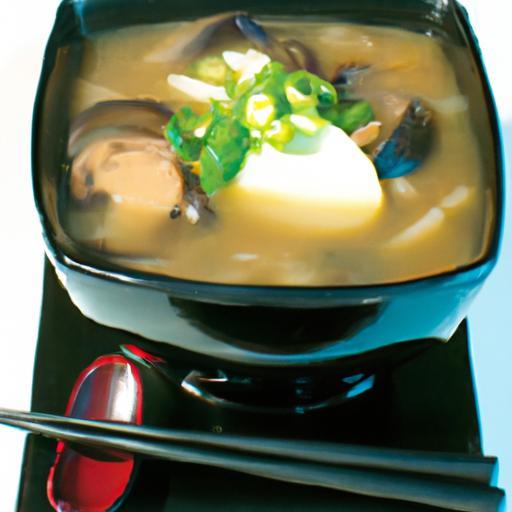
ThereS a quiet magic simmering in the heart of Japanese kitchens-a humble,golden broth that has comforted generations and whispered stories of tradition with every steaming bowl. Miso soup, with its delicate harmony of savory depth and gentle umami, is far more than just a starter; it’s a cultural emblem, a ritual of warmth, and a testament to the art of simplicity. In this savory dive into Japan’s beloved broth, we will unravel the layers behind miso soup’s enduring charm, explore its rich history, and discover why this seemingly modest dish continues to enchant palates around the world. Prepare to embark on a flavorful journey where tradition meets taste in every spoonful.
Miso Soup Magic invites you on a sensory journey to the heart of Japan’s culinary soul. This humble yet profoundly flavorful broth is a celebration of fermented soybeans, a tradition passed down through generations that not only delights the palate but nourishes the body. Crafted with care, its depth derives from the intricate balance of miso paste, dashi stock, and a medley of regional ingredients. Weather stirring a pot in a bustling Tokyo kitchen or savoring a quiet meal at home, mastering this soup transforms a simple dish into an expression of culture and wellness.
Prep and Cook Time
- Readiness: 10 minutes
- Cooking: 15 minutes
- Total Time: 25 minutes
Yield
- Serves 4 comfortably
Difficulty Level
- Easy to Medium – perfect for beginners eager to explore authentic Japanese flavors
Ingredients
- 4 cups dashi stock (kombu and bonito-based for umami depth)
- 3 tablespoons white miso paste (shiromiso), adjust for preferred saltiness
- 100 grams silken tofu, cut into 1/2-inch cubes
- 2 tablespoons wakame seaweed, dried
- 2 scallions, finely sliced on the bias
- 1/4 cup enoki or shiitake mushrooms, sliced thinly
- Optional: 1 teaspoon toasted sesame oil for finishing
Instructions
- Prepare the dashi stock: Begin by bringing 4 cups of dashi stock to a gentle simmer in a medium-sized pot. Use kombu and bonito flakes for an authentic umami base. Avoid boiling to preserve delicate flavors.
- Rehydrate the wakame: In a small bowl, soak the dried wakame seaweed in cold water for 5 minutes until it expands. Drain and set aside.
- Add mushrooms and tofu: Gently add sliced mushrooms and tofu cubes into the simmering dashi. Cook for 3-4 minutes until mushrooms soften but tofu remains intact.
- Incorporate the miso paste: Place the miso paste in a small mesh strainer or ladle.submerge it into the hot broth and use a spoon to dissolve it slowly, stirring to ensure a smooth, lump-free texture. This technique prevents overheating, which can destroy miso’s probiotics.
- Combine wakame and scallions: Stir in the softened wakame and sliced scallions.Let everything warm through for another minute. Finish with a drop of toasted sesame oil if you desire an extra layer of aroma.
- Serve instantly: Ladle the soup into bowls, ensuring a balanced portion of broth, tofu, and seaweed in each serving.
Tips for Success
- Choose your miso wisely: White (shiromiso) offers a milder, sweeter taste, while red (akamiso) imparts richer, earthier notes. Blend for nuanced complexity.
- Never boil the soup once miso is added to preserve its natural enzymes and vibrant flavor.
- Use fresh dashi: Homemade dashi elevates miso soup beyond instant powders, capturing the essence of kombu and katsuobushi. Store bought is fine for quick fixes, but craft your own when possible.
- Experiment with regional touches: Try adding local produce like daikon radish, carrots, or small clams to customize your broth’s character.
- Make-ahead idea: Prepare dashi stock in bulk and refrigerate for up to 3 days or freeze in portions. Add miso and delicate ingredients just before serving.
Serving suggestions
Serve your steaming bowl of miso soup with a side of perfectly steamed rice and pickled vegetables for a balanced meal. Garnish with a sprinkle of finely chopped nori or a few toasted sesame seeds for visual appeal and texture. Accompany with a small dish of Japanese pickles or a citrus wedge to brighten the palate. The golden-brown hues of the broth, contrasted with vibrant green wakame and creamy tofu cubes, make this dish as inviting to the eyes as it is to the appetite.

| Nutrient | Per Serving |
|---|---|
| Calories | 90 kcal |
| Protein | 7g |
| Carbohydrates | 6g |
| Fat | 3g |
For those intrigued by the delicate science behind fermentation and keen to deepen their culinary repertoire, explore our in-depth guide to fermented foods. Additionally, visit Japan’s Ministry of Agriculture on fermentation to gain authoritative insights.
Q&A
Q&A: Miso Soup Magic – A Warm Dive into Japan’s Savory Broth
Q1: What makes miso soup so iconic in Japanese cuisine?
A1: miso soup is more than just a dish; it’s a cultural cornerstone. Its deep umami flavor comes from fermented soybeans, a process that links centuries of tradition with modern kitchens. Every bowl tells a story-of simple ingredients transformed by time, care, and fermentation into a soulful elixir.
Q2: What are the essential ingredients that create miso soup’s signature taste?
A2: at its heart, miso soup blends dashi-a delicate broth typically made from kombu (kelp) and bonito flakes-with miso paste. Then come the add-ins: silken tofu, wakame seaweed, and thinly sliced green onions. These components dance together to create a comforting balance of salty, savory, and slightly sweet notes.
Q3: How does the miso fermentation process affect the soup’s flavor and health benefits?
A3: Fermentation is the secret magic behind miso’s complexity. As soybeans and grains ferment, they develop rich umami flavors and beneficial probiotics. these kind bacteria support digestion and immunity, making miso soup not just tasty but nourishing-a warm hug for your gut.
Q4: Are there different types of miso paste, and how do they change the soup?
A4: Absolutely! Miso comes in varieties like white (shiro), red (aka), and mixed (awase). White miso is mild and slightly sweet, perfect for gentle, light broths.Red miso offers a robust, earthy punch, adding depth and intensity. Combining them (awase) balances sweetness with savoriness, allowing for endless versatility.
Q5: Can miso soup be customized beyond traditional ingredients?
A5: Creativity flows freely in miso bowls. While the classic recipe embraces tofu and seaweed, many add mushrooms, root vegetables, or even seafood. Each variation layers new textures and flavors, showing how a humble broth can adapt and evolve without losing its soul.
Q6: Why is miso soup often served daily in Japanese households?
A6: Miso soup isn’t just a meal starter; it’s a ritual of wellness and connection. Its warmth gently wakes the senses, while its nourishing properties prepare the body. This daily bowl represents balance and mindfulness-a simple pleasure that grounds the day in harmony.
Q7: How can someone new to miso soup start making it at home?
A7: Begin with a good-quality miso paste and a basic dashi broth-available as instant granules or homemade with kelp and bonito flakes. Keep it simple: heat the dashi, stir in miso paste off the flame to preserve beneficial enzymes, and add tofu and seaweed. Experiment with add-ins as your confidence grows. Soon, you’ll be crafting your own miso magic.
Q8: What seasonal twists can be applied to miso soup?
A8: Seasons inspire subtle shifts-spring’s young bamboo shoots and peas, autumn’s hearty mushrooms, winter’s root vegetables. By embracing fresh, local ingredients, miso soup becomes a reflection of nature’s rhythms, warming the body in winter and refreshing it in warmer months.
Q9: Is miso soup gluten-free and suitable for various dietary needs?
A9: Traditional miso soup can be gluten-free if crafted from rice or soybean miso and simple dashi. however, some red miso varieties or dashi blends may contain barley or wheat. Always check labels for dietary restrictions, and opt for gluten-free miso varieties if needed.It’s a flexible dish that welcomes customization.
Q10: What role does miso soup play symbolically in Japanese culture?
A10: Beyond nourishment, miso soup embodies hospitality, home, and the art of subtle flavor. it’s symbolic of balance-between simplicity and complexity, tradition and innovation. Serving miso soup is a gesture of warmth and care, inviting others into the cozy heart of Japanese home life.
Key Takeaways
as the steam rises from a bowl of miso soup, so too does a rich tapestry of history, culture, and flavor swirl within each delicate sip. This humble broth, simple yet profound, invites us to savor not only its savory depths but also the essence of Japan’s culinary soul. Whether enjoyed as a daily ritual or a special treat, miso soup is more than just nourishment-it’s a warm embrace, a liquid memory, and a timeless reminder that sometiems, the simplest ingredients create the most magical experiences. So next time you lift your spoon to your lips, remember: you’re diving into centuries of tradition, one savory sip at a time.