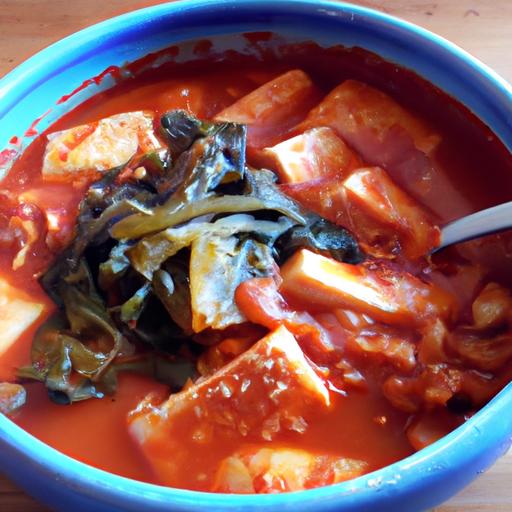

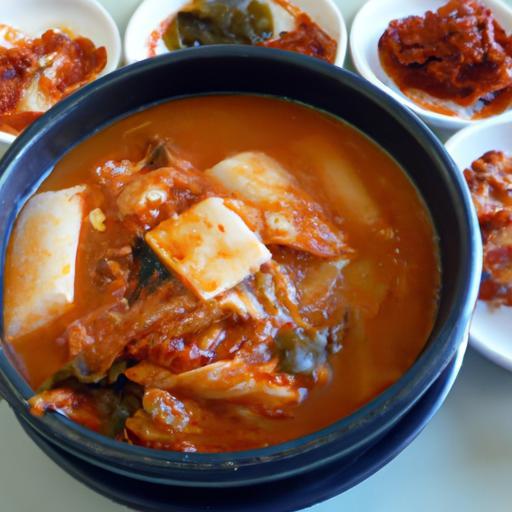
When it comes to comfort food that’s both fiery and soulful, few dishes can rival the bold flavors of Korean cuisine. Among its treasures, kimchi jjigae stands out-a bubbling, savory stew that warms the heart and ignites the senses. Traditionally packed with pork and seafood, this iconic Korean dish is now being reimagined in vibrant vegan form, inviting everyone to savor its tangy, spicy depth without compromise. In this article, we’ll explore how to prepare an authentic vegan kimchi jjigae that honors its rich heritage while embracing plant-based goodness, proving that you don’t need meat to create a meal that’s deeply satisfying, complex, and bursting with the zest of Korea’s beloved fermented kimchi. Ready to spice up your dinner routine? Let’s dive into the world of vegan Korean kimchi jjigae.
Spice Up Dinner with Authentic Vegan Korean Kimchi Jjigae by immersing yourself in the vibrant, hearty depths of this beloved korean stew that beautifully marries fiery kimchi with nourishing plant-based ingredients. This dish is a culinary party of fermented tanginess and cozy warmth, perfect for those seeking bold flavors without using animal products. Originating from korea’s rich food heritage, kimchi jjigae traditionally features pork or seafood, but our vegan adaptation embraces the same soul-satisfying intensity using tofu, mushrooms, and umami-rich broth to elevate every spoonful.
Prep and Cook Time
- Preparation: 15 minutes
- Cooking: 40 minutes
- Total Time: 55 minutes
Yield
Serves 4 generous portions
Difficulty Level
Medium - approachable for cooks with some experience in Korean cuisine
Ingredients
- 2 cups well-fermented vegan kimchi (preferably homemade or store-bought,chopped)
- 200g firm tofu,drained and cut into cubes
- 1/2 cup dried shiitake mushrooms,rehydrated and sliced
- 1 medium yellow onion,thinly sliced
- 3 cloves garlic,minced
- 1 tbsp ginger,minced
- 2 tbsp Korean red chili paste (Gochujang),adjust to taste
- 1 tbsp Korean chili flakes (Gochugaru)
- 4 cups vegetable broth (preferably homemade or low-sodium)
- 1 tbsp soy sauce or tamari
- 1 tsp toasted sesame oil
- 1 block (100g) Korean glass noodles (optional),soaked for 10 minutes
- 2 green onions,diagonally sliced for garnish
- 1 tsp toasted sesame seeds (for garnish)
- Optional seasonal veggies: zucchini,spinach,or baby bok choy
Instructions
- Prepare your kimchi base: In a large pot over medium heat,sauté onion,garlic,and ginger in a splash of water or vegetable broth until fragrant and translucent,about 4 minutes.
- Add fermented kimchi, Gochujang, and Gochugaru: Stir to combine well with the aromatics, letting the chili paste toast lightly to develop deeper flavor-about 2 minutes, stirring often to avoid sticking.
- Pour in vegetable broth and soy sauce: Bring the mixture to a gentle boil, allowing all the bold flavors to meld for 10 minutes on a low simmer.
- Incorporate the mushrooms and tofu: Gently add the sliced shiitakes and tofu cubes, simmer uncovered for another 15 minutes to deepen the stew’s body and allow tofu to soak in the spicy essence.
- Add optional glass noodles and seasonal vegetables: If using, drop in the soaked glass noodles along with any chosen greens like spinach or bok choy, letting them soften for 3-4 minutes.
- Finish with sesame oil: Stir in the toasted sesame oil for that irresistible nutty aroma just before removing from heat.
- Serve hot: Ladle steaming kimchi jjigae into bowls and garnish generously with diagonally sliced green onions and a sprinkle of toasted sesame seeds.
Chef’s Notes: Tips for Success
- Fermentation is key: The deeper the kimchi’s fermentation,the richer and tangier your stew. Fresh kimchi will work but keep in mind the flavors will be milder.
- Balancing heat: Adjust gochujang and gochugaru quantities to suit your spice tolerance while maintaining vibrant flavor complexity.
- Umami boosters: Adding a splash of vegan fish sauce or miso paste can intensify savory notes without compromising vegan integrity.
- Make-ahead convenience: Kimchi jjigae tastes even better the next day as flavors develop further. Refrigerate and reheat gently, adding a splash of broth if it thickens too much.
- Substitutions: If you cannot find Korean glass noodles, substitute with thin rice noodles or omit entirely for a rivery-textured stew.
Serving Suggestions
Enjoy your vegan kimchi jjigae with a steaming bowl of fluffy jasmine rice or short-grain sticky rice to soak up every drop of the spicy broth. If you want to elevate the table, accompany with a side of crisp cucumber salad or pan-fried Korean pancakes (pajeon) for contrasting textures. A drizzle of toasted sesame oil and extra chopped green onions on top adds brightness and visual appeal, while a few sprigs of fresh cilantro or perilla leaves offer refreshing herbal notes.

| Nutrient | Per Serving |
|---|---|
| Calories | 210 |
| Protein | 12g |
| Carbohydrates | 18g |
| Fat | 8g |
If you’re inspired to dive deeper into Korean culinary traditions, check out our related Vegan Bibimbap recipe for another wholesome, plant-powered Korean dish. For further authenticity tips straight from Korean food historians, visit The Korean Cultural Center.
Q&A
Q&A: Spice Up Dinner with Authentic Vegan Korean Kimchi Jjigae
Q1: What is Kimchi Jjigae, and why is it so beloved in Korean cuisine?
A: Kimchi Jjigae is a hearty Korean stew that centers around kimchi-the fermented spicy cabbage that’s a staple in Korean households. It’s beloved for its bold, sour, and spicy flavors, comforting warmth, and its ability to turn simple ingredients into a soul-satisfying meal. Traditionally enjoyed as a communal dish, kimchi Jjigae warms both the body and spirit, making it a go-to comfort food in Korea.
Q2: Can Kimchi Jjigae be made vegan without losing its authentic taste?
A: absolutely! While classic Kimchi Jjigae often features pork or tuna broth,an authentic flavor profile can be achieved by using vegan kimchi (without fish sauce or shrimp paste) and replacing animal proteins with tofu or mushrooms.A well-crafted vegetable broth, combined with ingredients like garlic, ginger, and Korean chili flakes (gochugaru), brings the stew’s signature spicy-sour depth alive without any animal products.
Q3: What makes Korean kimchi special, and how can I find or make vegan kimchi?
A: Customary Korean kimchi is fermented with fish sauce or shrimp paste, which adds umami but makes it non-vegan. Vegan kimchi relies on alternatives such as seaweed broth or soy sauce for that deep umami kick. You can find vegan kimchi at many Asian grocery stores or specialty shops, or make your own by fermenting napa cabbage with Korean chili powder, garlic, ginger, and scallions-minus the seafood elements.
Q4: What are the key ingredients to create an authentic vegan Kimchi Jjigae at home?
A: Start with vegan kimchi, soft tofu, mushrooms (shiitake or oyster for meaty texture), onions, garlic, Korean chili flakes (gochugaru), soy sauce or tamari, vegetable broth, and a touch of sesame oil. Adding bean sprouts or zucchini can give it extra body and texture. A dash of black pepper and scallions at the end makes it even more tantalizing.
Q5: How can I serve vegan Kimchi Jjigae for a memorable dinner?
A: Serve your steaming bowl of Kimchi Jjigae with a side of fluffy steamed white rice to soak up the flavorful broth.Include traditional Korean side dishes (banchan) like pickled radishes, seasoned spinach, or stir-fried tofu to complete the meal.Pair with a cold glass of barley tea or a light Korean rice wine (makgeolli) for an authentic dining experience that will impress family and friends.
Q6: Why should someone try vegan Kimchi Jjigae?
A: Vegan Kimchi Jjigae offers an exciting journey into Korean flavors while being plant-based and nourishing. It balances fiery spice, tangy fermentation, and rich umami, providing comfort and health benefits like gut-pleasant probiotics. Whether you’re vegan,looking to diversify dinner ideas,or simply craving something bold and warming,this stew will delight your taste buds and shake up your typical meal routine.
Final Thoughts
As the rich aroma of bubbling kimchi jjigae fills your kitchen,you’ll discover that this authentic vegan korean stew is more than just a meal-it’s an invitation to explore a vibrant culture and a world of bold,comforting flavors. Whether you’re a seasoned vegan or a curious foodie, this dish offers the perfect harmony of spice, tang, and heartiness to elevate your dinner routine. So go ahead, sharpen your chopsticks, and dive into a bowl that’s as nourishing for the soul as it is for the body. Your taste buds-and your dinner table-will thank you.