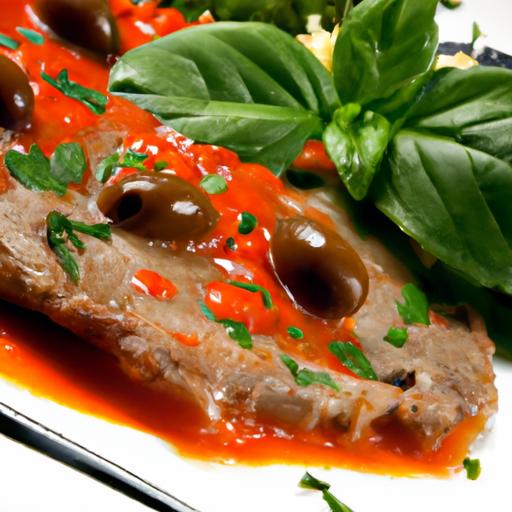

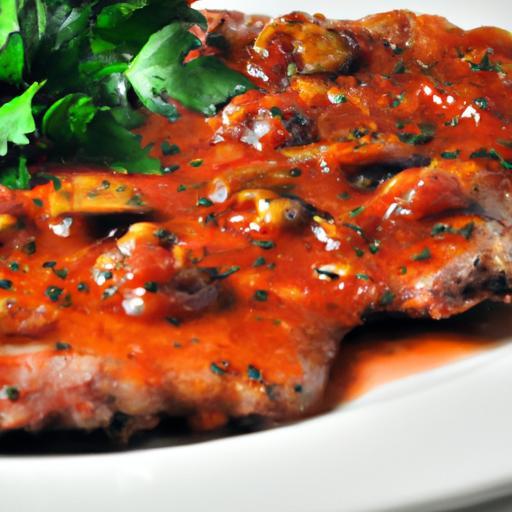
There’s something undeniably enchanting about teh sizzle of thinly sliced veal gently hitting a hot pan, the aroma wafting through the kitchen like a whisper of Italian countryside meals past. Tender veal scaloppine captures the essence of Italy’s culinary artistry-simple ingredients transformed into a dish that’s both elegant and comforting. In this guide, we’ll explore the secrets behind achieving that perfect velvety texture, the traditional techniques that elevate humble cuts into a gourmet experience, and the classic sauces that bring each bite to life. Whether you’re a seasoned cook or a curious food lover, join us as we unravel the timeless magic of tender veal scaloppine, an enduring staple on Italian tables and a delight to savor at home.
Tender Veal Scaloppine is a timeless Italian classic celebrated for its delicate texture and refined flavors. Perfectly cooked veal paired with a light sauce creates an elegant dish that’s as satisfying to prepare as it is indeed to enjoy. to elevate your next meal, understanding the nuances of choosing the right cut, slicing with precision, and crafting a sauce that enhances without overpowering will transform your cooking experience.
Prep and Cook Time
Preparation: 15 minutes
Cooking: 10 minutes
Total Time: 25 minutes
Yield
Serves 4 elegantly.
Difficulty Level
Medium - Perfect for home cooks looking to refine their technique.
Ingredients
- 1 lb veal scallopini (thinly sliced veal cutlets, such as top round or leg, ideally 1/8-inch thickness)
- 1 cup all-purpose flour, sifted
- 4 tbsp unsalted butter
- 2 tbsp extra virgin olive oil
- 1/2 cup dry white wine
- 1/2 cup chicken stock
- Juice of 1 lemon
- 2 tbsp fresh flat-leaf parsley, finely chopped
- Salt and freshly ground black pepper, to taste
- Optional: capers or a few thin slices of garlic for extra flavor depth
Instructions
- Select your veal cut carefully; opt for tender, lean cuts like veal top round or leg. if they aren’t pre-sliced thinly, place between two sheets of plastic wrap and gently pound with a meat mallet until about 1/8-inch thick – this ensures swift, even cooking.
- Lightly season both sides of each veal slice with salt and pepper. Dredge in the sifted flour, shaking off any excess to create a delicate coating that crisps perfectly without weighing down the meat.
- Heat the olive oil and half the butter in a large skillet over medium-high heat. When the butter foams, add the veal slices in a single layer, working in batches to avoid overcrowding.
- Sauté the veal until golden and crisp, approximately 2 minutes per side. Remove and keep warm on a plate tented with foil.
- Reduce the heat to medium. In the same skillet, add the white wine and chicken stock. With a wooden spoon, scrape up any browned bits – this forms the flavor base of your sauce.
- Add lemon juice and the remaining butter to the pan.stir continuously to melt and emulsify the sauce into a silky, light coating.
- Return veal slices to the pan just to warm through, spooning sauce over each piece.
- Finish with freshly chopped parsley for a pop of color and brightness. Serve immediately for the best texture and flavor.
Chef’s Notes
- For absolute tenderness, choose veal labeled “scaloppine” or “cutlet” – these are naturally thin and tender.
- If you can’t find veal, substitute with thinly pounded chicken breast, though the flavor will be milder.
- Do not over-flour the veal; a light dusting ensures a crisp crust without gummy patches.
- The lemon adds brightness – test acidity and adjust slowly to avoid overpowering delicate veal.
- Make-ahead tip: Slice and flour the veal, then cover tightly and refrigerate for up to 2 hours before cooking.
Serving suggestions
Present your veal scaloppine elegantly on warm plates with a drizzle of the sauce. Accompany with sautéed seasonal greens or a light risotto.Garnish with extra parsley and thin lemon slices for visual appeal.A crisp Italian white wine like Pinot Grigio complements the dish beautifully, enhancing its delicate flavors.

| Nutrient | Per Serving |
|---|---|
| Calories | 320 kcal |
| Protein | 38 g |
| Carbohydrates | 7 g |
| Fat | 14 g |
For further inspiration on elegant Italian dishes, check out our guide to Italian Risotto Recipes. To deepen your understanding of veal cuts and safety, visit the US Food Safety Veal Cuts Chart.
Q&A
Q&A: Tender Veal Scaloppine - A Classic Italian Recipe Guide
Q1: What exactly is veal scaloppine?
A1: Veal scaloppine is a traditional Italian dish featuring thinly sliced veal cutlets,quickly pan-cooked to tender perfection. The meat is often dredged in flour and then sautéed in butter or olive oil,creating a delicate,juicy texture that absorbs flavorful sauces beautifully. It’s a classic example of Italian culinary elegance-simple ingredients elevated through technique.
Q2: Why is veal used for scaloppine instead of other meats?
A2: Veal is prized for its tender texture and mild, delicate flavor, which makes it an ideal canvas for the rich, buttery sauces typical of scaloppine. Unlike tougher cuts of beef or pork,veal slices cook quickly and remain soft,ensuring the dish stays light and refined. Its subtle flavor harmonizes perfectly with lemon, wine, and herb-infused sauces.
Q3: How do you achieve the perfect tenderness in veal scaloppine?
A3: The secret lies in the prep: slice the veal thinly-about a quarter-inch thick or less-and gently pound the cutlets with a meat mallet to ensure even thickness. This evens out the cooking time and breaks down any fibers that might toughen. Quick sautéing over medium-high heat is crucial; overcooking will dry the veal out. A brief rest after cooking lets the juices redistribute for luscious tenderness.
Q4: What are some classic sauces served with veal scaloppine?
A4: There are several iconic options: Scaloppine al Limone features a luminous lemon-butter sauce that adds zing and freshness; Scaloppine alla Marsala is enriched with sweet, earthy Marsala wine; Scaloppine al Vino Bianco uses white wine and capers for a light, fragrant finish; and Scaloppine al Burro e Salvia pairs browned butter with fragrant sage leaves for an earthy, aromatic touch.
Q5: Can scaloppine be made ahead of time or stored for later?
A5: Scaloppine is best enjoyed fresh-its tender texture and delicate sauce shine brightest right after cooking. Though, you can prepare the veal slices and dredge them in flour ahead of time, keeping them covered in the fridge for up to 24 hours. After cooking,it’s best to consume immediately,but storing leftovers tightly wrapped in the fridge can keep them good for a day or two. Just gently reheat to avoid drying out the meat.
Q6: What sides complement tender veal scaloppine?
A6: To keep with the italian theme,serve scaloppine alongside light,simple sides that won’t overpower the veal. Think lemony arugula salad, buttery risotto, sautéed spinach, or roasted seasonal vegetables. Creamy polenta or garlic mashed potatoes also absorb the luscious sauces beautifully, making for a balanced and elegant meal.
Q7: Is veal scaloppine tough to make for a novice cook?
A7: Not at all! Scaloppine is a perfect introduction to Italian home cooking. The techniques-slicing,pounding,flour dredging,and quick sautéing-are straightforward. With attention to timing and heat, even kitchen beginners can achieve tender, resturant-quality results.Plus, its quick cook time makes it an ideal weeknight dish.
Q8: Can I substitute veal with another meat?
A8: Absolutely! While veal is traditional, thin-sliced chicken breast or pork loin can be excellent stand-ins, adapting the dish to different tastes and budgets. Just remember to pound the meat thin for even cooking and adjust sauce flavors slightly if desired. Chicken scaloppine with lemon or pork scaloppine alla marsala are delightful variations that honor the scaloppine spirit.
With this guide, you’re ready to bring a touch of Italy’s culinary finesse into your kitchen-tender veal scaloppine is a timeless recipe that proves simple can be sublime. Buon appetito!
The Conclusion
In the artful dance of italian cuisine, Tender Veal Scaloppine stands as a timeless partner-delicate yet full of character, simple yet endlessly adaptable. Whether bathed in a zesty lemon sauce,cloaked in a creamy mushroom embrace,or kissed by the warmth of sage and butter,this classic dish invites both novice and seasoned cooks to celebrate the elegance of tradition. As you bring this succulent recipe to your table, remember that each tender slice carries with it a story of Italy’s rich culinary heritage-one best savored slowly, with good company and even better wine. Buon appetito!