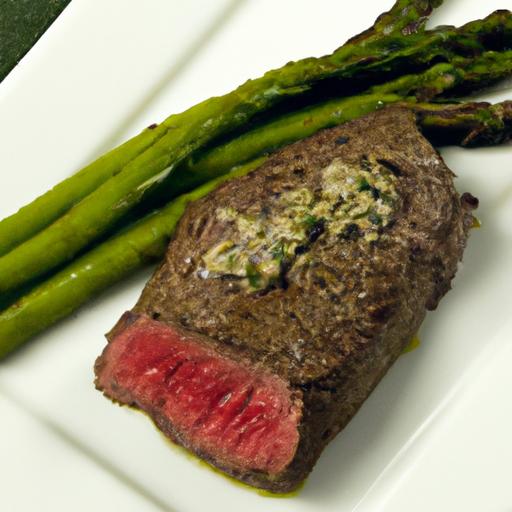

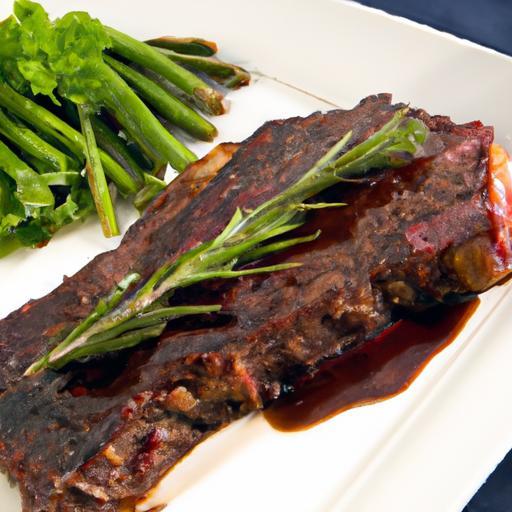
There’s a certain magic in a perfectly cooked steak-the way its sizzling aroma beckons, the tender juiciness that melts on your tongue, and the robust flavors that linger long after the last bite. but behind this carnivorous delight lies a blend of art and science, a delicate dance of technique and timing that transforms a simple slab of meat into a culinary masterpiece. In “Savoring Steak: secrets Behind the Perfect Juicy Cut,” we’ll unravel the mysteries of marbling, temperature control, seasoning, and cooking methods that elevate your steak from ordinary to extraordinary.Whether you’re a seasoned grill master or an enthusiastic beginner, prepare to unlock the flavorful secrets that will make every steak night unforgettable.
Savoring steak begins with understanding how the right cut and expert techniques transform a simple piece of beef into an unforgettable dining experience. The magic lies not just in the choice of cut,but in mastering the nuances of marbling,seasoning,searing,and resting-a symphony of elements that create a steak juicy beyond compare with layers of complex flavor.
Prep and Cook Time
- Planning: 10 minutes
- Cooking: 8-12 minutes (depending on thickness and doneness)
- Resting: 10 minutes
Yield
Serves 2 hearty portions
Difficulty Level
Medium – perfect for adventurous home cooks ready to elevate their steak game
Ingredients
- 2 boneless ribeye steaks (1-inch thick, well-marbled)
- 1 tablespoon kosher salt
- 1 teaspoon freshly ground black pepper
- 2 tablespoons unsalted butter
- 2 cloves garlic, lightly crushed
- 2 sprigs fresh thyme or rosemary
- 1 tablespoon vegetable or canola oil
Instructions
- Choose Your Steak Wisely: Begin with a ribeye or New York strip, known for rich marbling that guarantees juicy tenderness and deep flavor. Look for fine, white marbled streaks within the red meat-this fat melts during cooking, sealing flavor and moisture.
- Season Generously: About 40 minutes before cooking, pat the steaks dry with paper towels. Sprinkle kosher salt evenly on both sides. This dry brine pulls out natural beef flavors and tenderizes the meat. Just before cooking, add freshly ground black pepper for robust spice.
- Preheat Your Pan: Heat a heavy skillet or cast-iron pan over high heat until very hot-this is essential for the perfect crust. Add a splash of vegetable oil and swirl to coat.
- Sear the Steak: Place the steaks in the pan, leaving space between them to avoid steaming. Sear without moving for about 3-4 minutes until a deep golden-brown crust forms. Flip and sear the other side for another 3 minutes.
- Butter Bath Basting: Reduce heat to medium-low. Add butter, garlic, and herbs.Tilt the pan and spoon melted butter over the steaks repeatedly; this technique imparts rich aromatics and enhances juiciness.
- Check for Doneness: Use a meat thermometer-130°F for medium-rare, 135°F for medium. Remember, carryover cooking will raise internal temperature slightly.
- Rest Your Steak: Transfer the meat to a warm plate and tent loosely with foil. Let it rest for at least 10 minutes. this crucial step allows juices to redistribute, preserving a succulent interior and improving texture.
- Carve with Care: Slice against the grain into thick strips to maximize tenderness and ease of chewing.
tips for Success
- Marbling Matters: Don’t shy away from fattier cuts; the marbled fat is flavor gold.
- Salt Timing: Salting 40 minutes to an hour ahead allows for better absorption and moisture retention-avoid salting just before cooking.
- High Heat Searing: Ensure your pan is smoking hot before searing to achieve that coveted crust without overcooking inside.
- Butter Basting: Use fresh herbs and whole garlic cloves to infuse buttery richness during the final stage.
- Resting Is Non-Negotiable: Cutting instantly after cooking causes precious juices to drip out-patience pays off in tenderness.
Serving Suggestions
Serve your perfectly seared steak alongside creamy garlic mashed potatoes or a crisp arugula salad tossed with lemon vinaigrette. Garnish with a sprig of fresh thyme and a pat of compound herb butter for an elegant finish. Pair with a bold red wine like Cabernet Sauvignon to complement the steak’s robust flavor profile.

| Nutrient | Per Serving |
|---|---|
| Calories | 620 kcal |
| Protein | 54 g |
| Carbohydrates | 1 g |
| Fat | 47 g |
For further exploration of dry aging and beef selection techniques, check out our Ultimate Guide to Dry Aging Beef or visit the Myth Meat Nutrition Hub for expert insights.
Q&A
Q&A: Savoring Steak – Secrets Behind the Perfect Juicy cut
Q1: What’s the single most meaningful factor in achieving a juicy steak?
A1: It all starts with quality beef. A well-marbled cut-think ribeye or striploin-means intramuscular fat that melts during cooking, infusing the meat with rich juiciness. Without good marbling, no amount of technique can fully substitute.
Q2: How does seasoning influence the steak’s juiciness?
A2: Salt is your friend.Generously salting your steak about 40 minutes before cooking allows it to draw out moisture, then reabsorb it, seasoning the meat deeply and helping it retain juice. Skip this resting step, and you may lose precious moisture during cooking.
Q3: what’s the secret behind perfect searing?
A3: High heat and patience create that irresistible crust-the maillard reaction in action. Preheat your pan or grill until it’s scorching, then place the steak without moving it, letting a flavorful crust develop. This crust locks in flavors and juice.
Q4: Should I flip my steak often or just once?
A4: contrary to popular belief, flipping frequently can promote even cooking and even more juiciness. However, for beginners, the classic one-flip approach-sear one side thoroughly, then the other-is foolproof and still yields great results.
Q5: How do I know when my steak is perfectly medium-rare?
A5: The “touch test” is a handy trick-compare the firmness of your steak to the base of your thumb when your hand is relaxed. Or, for precision, use a meat thermometer: 130-135°F (54-57°C) is the juicy sweet spot for medium-rare.
Q6: Why is resting steak essential?
A6: Think of resting as the steak’s cooldown period. It lets juices redistribute evenly throughout the meat, preventing them from spilling out onto your plate the moment you cut. A good 5-10 minutes under a loose foil tent does the trick.
Q7: Can cooking methods affect juiciness?
A7: Absolutely. Pan-searing, grilling, sous vide-all bring different textures and perks. Sous vide is beloved for precise temperature control and unbeatable juiciness, while charcoal grilling adds smoky depth. Choose what suits your taste and occasion.
Q8: Are there any finishing touches to enhance juiciness?
A8: A pat of herb butter melting over a hot steak or a splash of finishing oil can elevate flavors and add a luscious mouthfeel. Simple additions can transform great steak into unforgettable indulgence.
Q9: Can I make a juicy steak at home without fancy equipment?
A9: Definitely! All you need is a hot skillet or grill, good beef, and a little patience.Mastering your stove and understanding these core secrets will let you savor steak like a pro-no fancy gadgets required.
Q10: What’s the biggest mistake people make when cooking steak?
A10: Overcooking.It’s the nemesis of juiciness. Resist the urge to rush-steak deserves respect and timing. Use the thermometer or trust your instincts, and you’ll enjoy tender, juicy slices every time.
Savoring steak is an art built on science, patience, and quality ingredients. Master these secrets, and every cut will be a juicy masterpiece.
To Conclude
As the final sear caramelizes your steak’s surface and the juices pool enticingly beneath your knife, you’ve unlocked more than just a meal-you’ve discovered an art. Perfecting the juicy cut is a dance of temperature, timing, and technique, each step revealing flavor layers that transform a simple slab of meat into a memorable experience. Whether you’re a seasoned grill master or a curious novice, embracing these secrets invites you to savor every bite with intention and delight. So next time you fire up the grill or heat the pan, remember: the perfect steak isn’t just cooked-it’s crafted. Happy savoring!