
In the sun-kissed landscapes of North Africa,where ancient traditions blend seamlessly with vibrant cultures,there exists a culinary treasure that has been delighting sweet lovers for centuries: Makroud.this exquisite pastry, with its golden, diamond-shaped exterior and luscious date filling, is more than just a dessert-it’s a symbol of heritage, hospitality, and the artistry of Maghreb’s kitchens. Journey with us as we explore the rich history, intricate planning, and cultural significance of Makroud, uncovering the sweet tradition that continues to charm palates and preserve the essence of North African delights.
makroud holds a cherished place in North African culinary heritage,captivating palates with its honeyed sweetness and delicate texture. This beloved semolina-based pastry, infused with the warm aroma of dates and fragrant spices, traces its roots to the Maghreb region, notably Algeria, Tunisia, and Morocco. For generations, makroud has not only been a festive treat but also a symbol of hospitality and festivity, frequently enough prepared during religious holidays and family gatherings. My first encounter with makroud was at a bustling Tunisian souk, where its golden diamond shapes glistened under a sticky honey glaze, inviting me to experience a taste of history wrapped in sweetness.
Prep and Cook Time
- preparation: 45 minutes
- Cooking: 30 minutes
- Total Time: 1 hour 15 minutes
Yield
Approximately 24 pieces
Difficulty Level
Medium – requires patience but yields deeply rewarding flavors
Ingredients
- 2 cups fine semolina (preferably coarse for texture)
- 1/2 cup vegetable oil or melted unsalted butter
- 1/2 cup warm water (adjust as needed)
- 1/4 teaspoon salt
- 1 teaspoon ground cinnamon
- 1 1/2 cups date paste (pitted Medjool dates, mashed)
- 1/2 teaspoon ground anise seeds (optional, for authentic aroma)
- 1 tablespoon orange blossom water
- 1 cup honey (preferably orange blossom honey)
- Vegetable oil for frying (about 2 cups)
Instructions
- Prepare the Dough: In a large bowl, combine the fine semolina, salt, and ground cinnamon. Gradually add the vegetable oil or melted butter, rubbing it into the semolina with your fingertips until the mixture resembles coarse sand.
- Add Water and Orange Blossom Water: Slowly pour warm water mixed with orange blossom water into the mixture, kneading gently until a soft, pliable dough forms. Cover and allow to rest for 30 minutes to hydrate.
- Prepare the Filling: In another bowl, blend the date paste with ground anise seeds for an aromatic finish. Adjust texture by adding a teaspoon of water if the paste feels too stiff.
- Shape the Makroud: Divide the dough into two equal parts.On a flat surface lightly dusted with semolina, roll each part into a long, thick rectangle about 1 inch high. Spread a uniform layer of date paste along the center of each rectangle.
- Seal and Cut: Fold the dough over the filling, pressing down gently to seal all edges. Using a sharp knife,cut the long rolls into diamond-shaped pieces roughly 2 inches wide.
- Fry to Golden Perfection: Heat vegetable oil in a deep pan to 350°F (175°C). Fry the makroud in batches, turning occasionally until they turn golden brown and crisp, about 4-5 minutes per batch. Drain on paper towels.
- Honey Dip: Warm the honey lightly (avoid boiling). Dip each fried piece briefly into the honey to create a luscious glaze that soaks into every crevice. Arrange on a wire rack to set.
- Cool and Serve: Allow makroud to cool and honey to fix for at least 30 minutes before serving.This ensures the perfect balance between crispness and chewiness.
Chef’s Notes and Tips for Success
- Semolina Texture: For an authentic crumbly yet tender bite, use coarse semolina for rolling, but fine semolina for the dough base.
- Honey alternatives: If you prefer a less sticky finish, substitute half the honey with sugar syrup infused with orange blossom water.
- Make-Ahead: Makroud keeps well for up to 3 days in an airtight container at room temperature, making them perfect for advance preparation.
- Frying Safety: Maintain consistent oil temperature to prevent greasy or undercooked pastries.
- Flavor Variations: Some regions add crushed almonds or walnuts inside the date paste for added texture and subtle nutty notes.
- Dietary Adaptations: Use coconut oil for frying to impart a delicate tropical fragrance for a unique twist.
Regional Variations and Flavor Profiles to Savor
Across North Africa,makroud takes on subtle yet delightful regional nuances. Tunisian makroud frequently enough introduces the fragrant anise seed and sometimes an orange zest touch in the filling, enhancing the fresh, aromatic profile. Moroccan versions favor a lighter honey coat and ofen include date and almond combinations, resulting in a more balanced sweetness and crunch. Meanwhile, Algerian makroud is renowned for its thicker dough casing and a deep amber honey glaze, signifying a richer, stickier indulgence. Sampling these variations offers a sensory tour through North Africa’s sweet traditions, each bite narrating a story of culture and local flavor.
Serving Suggestions
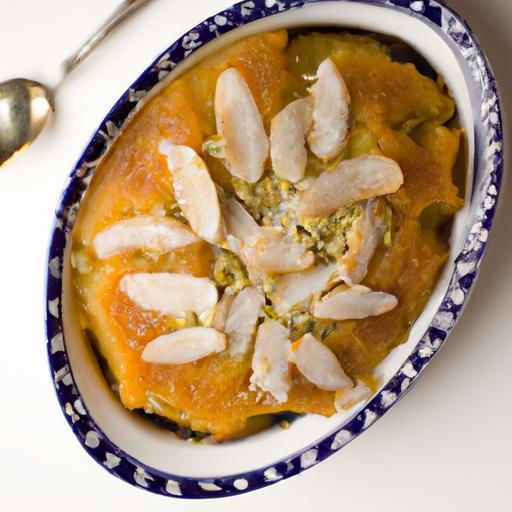
Makroud is best enjoyed alongside a steaming cup of North African mint tea or strong cardamom-spiced coffee. For festive tables, arrange makroud on decorative platters, garnished with a dusting of finely ground almonds or crushed pistachios for a pop of color and texture. Consider serving with fresh orange slices or a subtle sprinkle of cinnamon to enhance the warm spice notes. These pastries are perfect as a dessert or an indulgent afternoon snack, pairing superbly with a scoop of vanilla ice cream or a dollop of thick Greek yogurt for an elevated presentation.
| Nutrient | Per Serving (1 piece) |
|---|---|
| Calories | 130 kcal |
| Protein | 1.5 g |
| Carbohydrates | 27 g |
| Fat | 3.5 g |

For an in-depth exploration of North African desserts and traditional preparation techniques, visit our complete dessert guide. To learn more about the cultural importance of date palms, an integral ingredient in makroud, the FAO Date palm Division offers excellent resources.
Q&A
Q&A: Makroud – Exploring the Sweet Tradition of North African Delights
Q1: What exactly is Makroud?
A1: Makroud (also spelled Makrout or Makroud El Louz) is a traditional North African pastry, cherished across countries like Tunisia, Algeria, and Libya. It’s a semolina-based sweet, typically filled with dates or almonds, then shaped into delicate diamond or oval forms and deep-fried to golden perfection. it’s drenched in honey or a fragrant syrup, delivering a heavenly blend of crunchy exterior and luscious filling.
Q2: Where dose Makroud originate from?
A2: The roots of Makroud stretch deep into the Maghreb region of North Africa. While its precise origin is arduous to pin down due to regional variations, it remains a staple at celebrations, especially during Ramadan and Eid, symbolizing hospitality and shared joy.
Q3: What ingredients are essential for authentic Makroud?
A3: At its core,Makroud relies on a few simple but high-quality ingredients: coarse semolina for the dough,date paste or almond paste for the filling,a touch of orange blossom water or rose water for fragrant notes,and natural honey or sugar syrup for sweetness. Spices like cinnamon or a hint of anise sometimes join the mix, adding regional flair.
Q4: how is Makroud traditionally prepared?
A4: Making Makroud is an art passed down through generations. The process begins with mixing semolina and a bit of butter or oil, traditionally resting the dough overnight to achieve the perfect texture. The dough is then rolled out, filled with the sweet paste, folded, and cut into signature diamond shapes. They’re deep-fried until crisp and golden, then instantly soaked in warm honey or syrup-this final step gives Makroud its characteristic sticky sweetness.
Q5: are there regional variations of Makroud?
A5: absolutely! While date-filled Makroud is widespread,some regions prefer almond or fig fillings. In Tunisia, the syrup often contains orange blossom water, imparting a floral aroma, whereas Algerian versions might be spicier with cinnamon or clove. Even shapes can vary-from elongated diamonds to oval or even round forms-each telling its own local story.
Q6: Why is makroud so culturally meaningful?
A6: Beyond satisfying sweet cravings, Makroud represents hospitality, celebration, and tradition.It’s a dessert served during family gatherings, weddings, and religious holidays, symbolizing sweetness in life and generosity toward guests. Preparing Makroud is often a communal act, weaving bonds between family members across generations.
Q7: Can Makroud be enjoyed year-round, or is it seasonal?
A7: While Makroud shines during special occasions like Ramadan and Eid, its irresistible taste has made it a beloved treat all year long in many North African households and bakeries worldwide. Its long shelf life-thanks to the honey-makes it perfect for savoring any time.
Q8: How can someone outside North Africa experience Makroud?
A8: Thanks to globalization and the growing popularity of Mediterranean cuisine,Makroud is increasingly found in international bakeries specializing in North African or Middle Eastern pastries. For the adventurous at home, countless recipes online offer step-by-step guidance. Embracing Makroud in your kitchen means inviting a rich cultural experience and indulging in a centuries-old sweet tradition.
Q9: What makes Makroud stand out among other pastries?
A9: Makroud’s magic lies in its textural contrasts-crisp yet tender semolina dough enveloping a smooth,deeply flavored filling,all drenched in aromatic syrup. Unlike many pastries, it brings together simplicity and sophistication, grounded in humble ingredients but elevated through craftsmanship and cultural storytelling.
Delving into Makroud is more than a tasting journey-it’s a sensory exploration of North Africa’s heart and heritage, wrapped in golden semolina and kissed by honeyed sweetness.
In Summary
As the golden layers of makroud melt on the tongue, they carry with them centuries of tradition, culture, and craftsmanship-a testament to North Africa’s rich culinary heritage. Beyond its honeyed sweetness and sesame-studded crunch lies a story of community gatherings, festive celebrations, and the timeless joy of sharing. Whether savored during sacred holidays or enjoyed as an everyday treat, makroud invites us to taste not just a dessert, but a cultural journey that continues to enchant palates around the world. In every bite, the legacy of North African delight endures-sweet, enduring, and ever inviting.