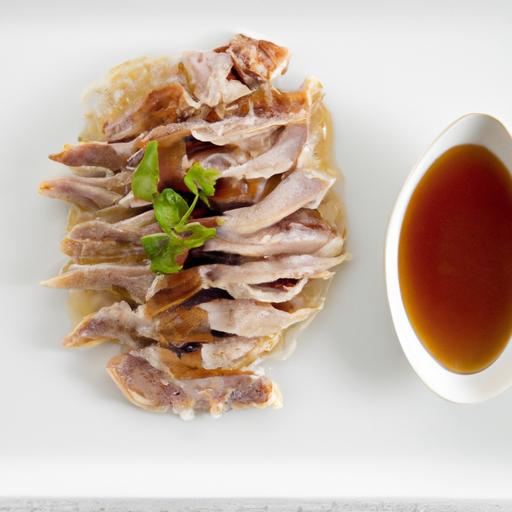

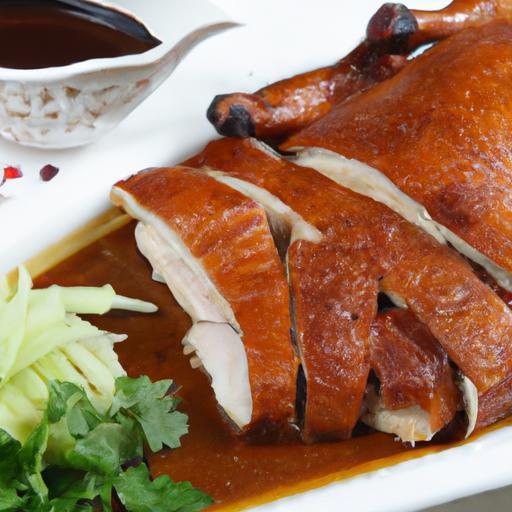
In the heart of Beijing’s bustling streets and ancient alleyways lies a culinary masterpiece that has captivated taste buds for centuries-Peking Duck. More than just a dish,it’s a celebration of tradition,technique,and tantalizing flavors,where golden,crispy skin meets succulent,tender meat in perfect harmony. This iconic treasure of Beijing’s gastronomy is not merely food; it’s an experience steeped in history and artistry. Join us as we unveil the secrets behind Peking Duck’s irresistible crispiness and discover why this celebrated delicacy continues to enchant food lovers around the world.
Peking Duck Delight beckons culinary enthusiasts with its legendary combination of crisp, lacquered skin and succulent, tender meat. Rooted in Beijing’s imperial history, this iconic dish transforms a simple duck into an unforgettable feast through skillful planning and conventional techniques. from the artful air-drying and glazing to the slow roasting over fruitwood fire, mastering Peking Duck Delight invites an immersive experience that embodies flavors and textures cherished for centuries.
Prep and Cook Time
- preparation: 1 hour 30 minutes (includes air-drying and glazing)
- Cook time: 45 minutes to 1 hour
- Total Time: Approximately 2 hours 30 minutes
Yield
Serves 4 to 6 guests, making it perfect for festive gatherings or an indulgent family meal.
Difficulty Level
Advanced: This recipe requires patience, attention to detail, and familiarity with roasting techniques, but the rewards are extraordinary.
Ingredients
- 1 whole Pekin duck (about 5-6 lbs), cleaned and patted dry
- 3 tablespoons maltose syrup or honey (for glazing)
- 2 tablespoons Chinese five-spice powder
- 1 tablespoon sea salt
- 1 tablespoon light soy sauce
- 1 cup boiling water
- 2 star anise pods
- 4 slices fresh ginger
- 2 scallions, halved
- Mandarin pancakes, for serving
- Julienned cucumber and scallions, for garnish
- hoisin sauce, for dipping
- Vegetable oil, for brushing
Instructions
- Prepare the Duck: Rinse the duck thoroughly inside and out. Remove excess fat from the cavity. Pat dry with paper towels.
- seasoning: Rub the entire duck with salt and Chinese five-spice powder, ensuring even coverage inside the cavity as well.
- Inflating the Skin: This crucial step separates the skin from the fat layer to achieve crispy texture. Carefully run a small,blunt knife under the neck skin to loosen it. Then, use a hand pump or plastic bag to gently blow air between skin and meat, lifting the skin without tearing.
- Blanching: Pour boiling water over the duck skin to tighten it. Instantly pat dry to remove excess moisture.
- Glazing: Mix maltose syrup with a few tablespoons of warm water until smooth. Brush the glaze evenly over the skin-this lacquer will caramelize beautifully.
- Drying: Hang the duck in a cool, airy spot for at least 1 hour (some traditional kitchens use refrigerated drying racks). This step ensures the glaze dries to a tacky finish.
- Roasting Setup: Preheat your oven to 375°F (190°C). Place a rack inside a roasting pan with hot water at the bottom to maintain moisture.
- Roast the Duck: Position the duck breast side down initially and roast for 30 minutes. Then turn breast side up for an additional 15-20 minutes or until the skin is deep golden and crisp.
- Resting: Let the duck rest for 10 minutes before carving to allow juices to redistribute,preserving juicy meat.
- Carving and Serving: Traditionally, the duck is thinly sliced, especially the crispy skin, which is served with Mandarin pancakes, hoisin sauce, and fresh julienned cucumber and scallion. Construct each wrap by spreading sauce on the pancake,layering skin and meat,then rolling up tight.
Tips for Success
- Choose a fresh pekin duck with firm skin; avoid frozen birds for best texture.
- Inflating the skin properly is key-take your time and be gentle to avoid tears.
- If maltose syrup is unavailable, quality honey or a mix of honey and corn syrup can substitute but results will vary slightly.
- Patience during drying is non-negotiable; it profoundly affects crispness.
- For an authentic smoky aroma, try roasting over fruitwood chips if your equipment permits.
- Leftover duck meat makes excellent fried rice or stir-fries-store immediately and consume within 2 days.
Serving Suggestions
Present the duck elegantly on a large platter,with thin slices of crisp skin arranged around tender meat slices. Accompany with individual Mandarin pancakes, a bowl of glossy hoisin sauce, and fresh cucumber and scallion sticks for self-assembly.
A sprinkle of toasted sesame seeds over the sandwich adds subtle nuttiness. Serve with a chilled dry Riesling or a warm jasmine tea to cleanse the palate between bites.
To elevate the experience, garnish the serving plates with fresh cilantro sprigs and edible flowers-adding vibrant color that contrasts beautifully with rich duck hues.
Nutritional Facts per Serving
| Calories | Protein (g) | Carbs (g) | Fat (g) |
|---|---|---|---|
| 550 | 40 | 15 | 35 |

To deepen your understanding of Chinese culinary traditions, consider exploring our article on Classic Chinese Sauces: Flavors that Define a Cuisine. For historical context on Peking Duck’s cultural roots, the Encyclopedia Britannica’s entry offers invaluable insights.
Q&A
Q&A: Peking Duck Delight – Unveiling Beijing’s Crispy Treasure
Q1: What makes Peking Duck such an iconic dish in Beijing?
A1: Peking Duck is more than just a meal-it’s a culinary legend. Known for its shimmering, crispy skin and tender, juicy meat, this dish embodies centuries of Chinese tradition. What makes it iconic is the perfect harmony between its texture and flavor, paired with the ritualistic way it’s prepared and served. Every slice tells a story of Beijing’s rich cultural heritage.
Q2: How is the legendary crispy skin of Peking Duck achieved?
A2: The secret lies in the artful preparation. Ducks are carefully air-dried, then brushed with a secret glaze, often maltose syrup, before being roasted in a wood-fired oven. This slow roasting process renders the fat beneath the skin, leaving behind an irresistible crackling that’s thin, golden-brown, and utterly addictive-a crisp treasure you’ll savor in every bite.
Q3: What are the traditional accompaniments to Peking Duck?
A3: The classic ensemble includes thin Mandarin pancakes, sweet bean sauce (hoisin), julienned scallions, and crunchy cucumber sticks. The beauty lies in wrapping the duck and its crispy skin with these elements into a neat little parcel, creating a perfect balance of savory, sweet, fresh, and crisp in one delightful mouthful.
Q4: is there a ritualistic way to enjoy Peking Duck in Beijing?
A4: Absolutely! In many traditional Beijing eateries,Peking Duck is carved tableside by a master chef,who skillfully slices the crispy skin and succulent meat in front of diners.This theatrical craft not only showcases expertise but invites you to savor every layer of flavor and texture. Sharing these savory parcels with friends and family echoes the warmth of Beijing hospitality.
Q5: Can Peking Duck be enjoyed outside of Beijing?
A5: While authentic Peking Duck is a Beijing treasure, many restaurants worldwide strive to recreate its magic. Though, connoisseurs agree that the unique combination of local ingredients, roasting techniques, and historical ambiance come together best in the city itself. Visiting Beijing offers not just a meal but an immersive cultural feast.
Q6: How has Peking Duck influenced modern culinary trends?
A6: Peking Duck’s charm has inspired chefs globally to experiment with its core elements-crispy skin and succulent meat-in innovative ways. From Peking Duck tacos to gourmet sliders and fusion dishes, it has transcended its traditional roots, proving that Beijing’s crispy treasure continues to delight palates and push culinary boundaries.
Q7: Why is Peking Duck considered a “crispy treasure” of Beijing?
A7: The phrase “crispy treasure” captures the essence of Peking Duck’s allure-the irresistible crunch of its golden skin symbolizing an edible gem born from Beijing’s culinary ingenuity.It’s a treasure not just of flavor, but of history, craftsmanship, and shared joy, cherished by locals and visitors alike.
Final Thoughts
As the fragrant aroma of golden, crackling skin fades from the air and the last tender slice of succulent Peking duck is savored, one thing remains clear: this centuries-old culinary treasure is more than just a dish-it’s a appetizing journey through Beijing’s rich history and vibrant culture. From the painstaking preparation to the ceremonious presentation, every bite of Peking duck tells a story of tradition, artistry, and communal joy. whether you find yourself seated in a bustling Beijing eatery or recreating the flavors at home, embracing this crispy delight invites you to taste not only the city’s heritage but also the enduring passion that keeps this iconic recipe alive. So next time your cravings call for something extraordinary, remember-Peking duck isn’t just food, it’s a feast for the senses, a true emblem of Beijing’s culinary soul.