
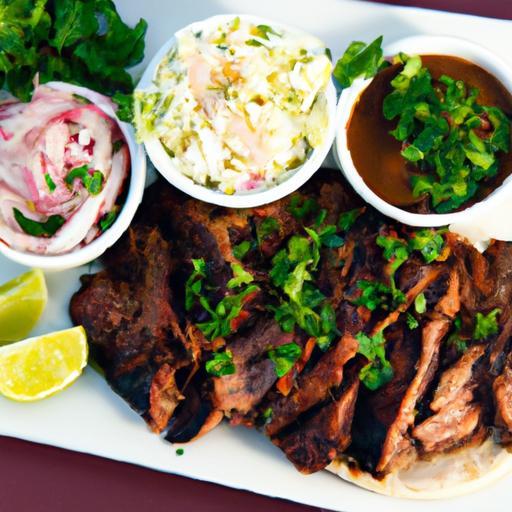
In the smoky embrace of an open fire, where embers glow and flavors meld, barbacoa emerges not just as a dish, but as a vibrant tradition steeped in history and culture. Beyond the tender, slow-cooked meats lies a story of ancient techniques, communal gatherings, and the artistry that transforms simple ingredients into a feast for the senses. “Barbacoa Unveiled: The Art and Flavor of Customary BBQ” invites you on a journey through time and taste-uncovering the secrets behind this celebrated method of cooking, the regional nuances that shape its identity, and the bold flavors that continue to captivate food lovers around the world. prepare to explore the rich heritage and mouthwatering essence of barbacoa, where every bite tells a flavorful story.
Origins and Cultural significance of Barbacoa Across Regions
Barbacoa Unveiled invites you into a rich culinary tradition that has warmed tables and hearts across many regions, especially in Mexico and the american Southwest. Originating from indigenous cooking methods, barbacoa was initially a feast for communal gatherings, where slow-cooked meats-frequently enough prepared in underground pits-offered tender, smoky flavors that no rushed barbecue could match. This method honored both the land and the livestock, emphasizing whole-animal use and deep-rooted respect for natural ingredients.
In diffrent areas, barbacoa takes on unique forms: in Northern Mexico, beef cheeks or head meat are prized, while in the Yucatán Peninsula, pork or lamb might potentially be wrapped in banana leaves and steamed. Beyond its flavor, barbacoa is culturally significant as a dish for celebrations, holidays, and family reunions. It embodies patience, tradition, and a festivity of community-qualities that have been preserved through generations and modernized without losing authenticity.
Mastering the Slow Cooking Process for Tender, Flavor-Packed Meat
Unlocking the signature tenderness of barbacoa requires embracing slow cooking with dedication and a keen attention to detail. Whether you choose a traditional pit or a modern slow cooker, the essence lies in gentle heat and long hours. This gradual approach breaks down tough connective tissues,infusing the meat with succulent juiciness and deep,smoky complexities.
To master this process at home, start by seasoning your chosen cut well and letting it rest. Cook uncovered for the first part to allow some caramelization, then cover it tightly to trap steam and juices. An aromatic blend of herbs, chiles, garlic, and citrus peel added early in the cooking process ensures every bite bursts with layers of flavor. Resist the urge to rush-barbacoa rewards patience with melt-in-your-mouth texture.
Choosing the Perfect Cuts and Marinades for Authentic Barbacoa
The choice of meat is pivotal in creating an authentic barbacoa experience. Opt for cuts rich in connective tissue,such as beef cheeks,brisket,short ribs,or lamb shoulder. These selections ensure a balance of fat and muscle that transforms into tender shreds after slow cooking.
Marinades are equally essential, combining traditional Mexican spices like guajillo and ancho chiles, cumin, oregano, garlic, and citrus juice. These ingredients not only tenderize but also infuse character and a subtle heat that awakens the palate. For a vibrant twist, some artisans add a splash of tequila or beer, lifting the marinade to new depths without overshadowing the core flavors.
Traditional Techniques and Modern Twists for a Memorable BBQ Experience
While the roots of barbacoa are firmly planted in time-honored practices,modern cooks can re-imagine this dish creatively while honoring its spirit. Some use a slow cooker or Instant Pot to replicate pit-roasting indoors, while others experiment with sous vide for precision texture control. for an enhanced smoky aroma, adding wood chips or smoked paprika can emulate open-fire notes.
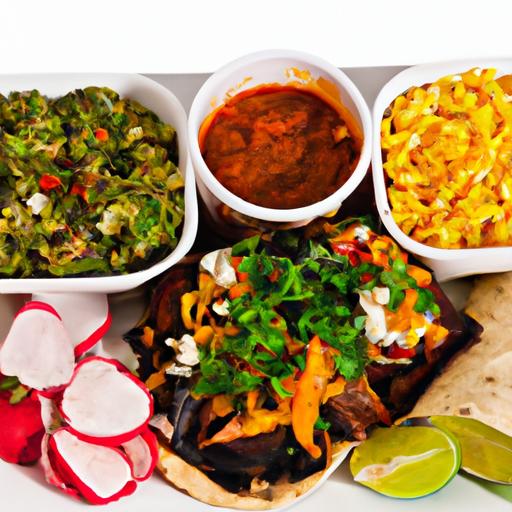
Serving barbacoa traditionally with warm corn tortillas, chopped cilantro, diced onions, fresh radishes, and a squeeze of lime creates a vibrant symphony of textures and tastes. Adding house-made salsas, pickled vegetables, or queso fresco balances richness with brightness. This fusion of old and new techniques ensures that your barbacoa is not just a meal, but a memorable celebration of flavor.
Prep and Cook Time
- Prep Time: 30 minutes
- Cook Time: 6-8 hours (slow cooker) or 3-4 hours (pressure cooker)
Yield
Serves 6 to 8
difficulty level
Medium
Ingredients
- 3 lbs beef cheeks or brisket, trimmed
- 4 dried guajillo chiles, stemmed and seeded
- 2 dried ancho chiles, stemmed and seeded
- 4 garlic cloves, peeled
- 1 tablespoon ground cumin
- 1 tablespoon dried oregano
- 1 teaspoon black pepper
- 1/2 cup fresh lime juice (about 4 limes)
- 1/4 cup white vinegar
- 1/4 cup olive oil
- 1 teaspoon kosher salt (adjust to taste)
- 2 bay leaves
- 1 cup beef broth or water
Instructions
- Toast the chiles: In a dry skillet over medium heat, toast guajillo and ancho chiles for 2-3 minutes until fragrant, flipping frequently to avoid burning.
- Soak chiles: Transfer toasted chiles to a bowl and cover with hot water. Soak for 20 minutes until softened.
- prepare the marinade: Drain chiles and add to a blender along with garlic, cumin, oregano, black pepper, lime juice, vinegar, olive oil, and salt. Blend until smooth, adding a splash of soaking water if needed.
- marinate meat: Place beef cheeks or brisket in a large bowl or zip-lock bag. Pour marinade over meat, ensuring full coverage. Refrigerate and marinate for at least 4 hours, preferably overnight.
- Sear the meat: In a heavy-bottomed pot or Dutch oven, heat a little oil over medium-high heat. Sear meat on all sides until deep brown, about 3-4 minutes per side. This intensifies flavor through caramelization.
- Slow cook: Add bay leaves and broth (or water) to the pot. Cover tightly and simmer on the lowest heat setting for 6-8 hours until meat is fork-tender and shreds easily. Alternatively, transfer to a slow cooker and cook on low for 8 hours.
- Shred and serve: Remove meat from pot and shred with two forks. Toss shreds back into the cooking liquid to soak up juices before serving.
Tips for Success
- Use full-fat cuts for juicier barbacoa; lean meats can dry out during long cooking.
- For authentic smoky flavor, add a few soaked wood chips wrapped in foil to your grill or smoker if using that method.
- Make-ahead: Barbacoa tastes even better the next day when flavors meld.Store refrigerated for up to 3 days or freeze portions.
- Adjust salt and heat levels by tasting cooking liquid and adding more salt or chili flakes during the final hour of cooking.
- For a citrus twist, swap lime juice with orange juice in the marinade to add sweetness and complexity.
serving Suggestions
Serve your tender barbacoa piled high on warm corn tortillas for traditional tacos. Garnish with chopped cilantro,finely diced white onion,fresh lime wedges,and a splash of your favorite salsa verde or roja. For a heartier meal, pair with Mexican rice, refried beans, and pickled jalapeños. Don’t forget a side of freshly made guacamole or cool crema to balance the spices.A sprinkling of crumbly queso fresco on top adds a creamy finish that melts delightfully against the warm meat.

| Nutritional Information (per serving) | Calories | protein | Carbs | Fat |
|---|---|---|---|---|
| Barbacoa (3 oz cooked meat) | 250 kcal | 28 g | 2 g | 15 g |
For more traditional Mexican recipes to complement your barbacoa feast, check out our guide to authentic Mexican salsas.to learn about the essential spices that define Mexican cuisine, visit The Spice Board of india, a renowned authority on global spice blends.
Q&A
Q&A: Barbacoa Unveiled – The Art and Flavor of Traditional BBQ
Q1: What exactly is barbacoa?
A: Barbacoa is a traditional method of cooking meat that originated in the Caribbean and later took root in Mexican and Tex-Mex cultures. It involves slow-cooking tougher cuts of meat-often beef, goat, or lamb-over an open fire or in an underground pit, resulting in tender, flavorful, and smoky meat that practically melts in your mouth. Think of it as the soulful grandparent of modern BBQ, slow-warmed by time and tradition.
Q2: How does barbacoa differ from other BBQ styles?
A: Unlike many barbecue techniques that rely heavily on dry rubs or thick sauces, barbacoa focuses on the natural flavor of the meat, enhanced by a blend of aromatic herbs, chilies, and an earthiness that comes from cooking in a pit or wrapped in maguey leaves. The slow steam and smoke gently coax out deep, complex flavors, blending spicy, smoky, and savory notes that define barbacoa’s unique character.
Q3: What cuts of meat are best for making traditional barbacoa?
A: Traditionally, tougher, fattier cuts were preferred as slow cooking breaks down the collagen, resulting in a juicy, tender outcome. Common choices include goat (cabrito), beef cheek (cachete), lamb shoulder, or even the head of the animal. These cuts transform through hours of slow heat into succulent delicacies that are packed with flavor.
Q4: How is barbacoa traditionally prepared?
A: The classic method involves digging a pit, lining it with hot stones, placing the seasoned meat on top, and then covering it with agave or maguey leaves before sealing the pit with earth to trap the heat and steam. This ancient technique preserves moisture,intensifies flavor,and imparts a subtle earthiness you can’t replicate over a modern grill. In some regions, barbacoa may be steamed in a large pot wrapped in leaves if space or materials are limited.
Q5: What flavors and seasonings define barbacoa?
A: Barbacoa traditionally uses a harmony of dried chilies (like guajillo or ancho), garlic, cumin, oregano, cloves, and lime juice. These ingredients combine to create a spice profile that’s smoky, tangy, and slightly sweet, complementing the rich meat perfectly without overpowering it. Fresh herbs like cilantro and diced onions are frequently enough added after cooking, bringing brightness to each bite.
Q6: Can barbacoa be replicated at home without a pit?
A: Absolutely! While nothing quite matches the authentic earth-cooked flavor, home cooks can simulate the barbacoa magic using a slow cooker, oven, or pressure cooker.Wrapping the meat in banana or corn husks before slow baking or braising helps mimic the moisture retention and leaf-wrapped aroma. The key is low and slow cooking paired with a robust seasoning blend.
Q7: What are some traditional ways to enjoy barbacoa?
A: Barbacoa is as versatile as it is appetizing. It’s most famously served in soft corn tortillas as tacos, topped with fresh onion, cilantro, salsa, and a squeeze of lime. But it’s equally delightful shredded over rice, stuffed into burritos, or paired with beans and grilled veggies.Each region adds its spin, making barbacoa a cherished comfort food that invites sharing and celebration.
Q8: Why has barbacoa remained a beloved BBQ tradition for centuries?
A: Barbacoa is more than a cooking method; it’s a cultural ritual that brings people together. The slow preparation symbolizes patience and care, while the rich, smoky meat rewards communal gathering and storytelling. Passed down through generations, barbacoa embodies heritage, flavor, and the deep-rooted joy of sharing a meal crafted with love and tradition.
Whether you’re a BBQ aficionado or just curious about bold flavors, barbacoa offers a captivating glimpse into the roots of slow-cooked perfection. So fire up your imagination-and maybe your slow cooker-and dive into the savory, smoky art of traditional barbacoa.
To Wrap It Up
as the embers of tradition continue to glow, barbacoa remains much more than just a method of cooking-it is indeed a flavorful narrative passed down through generations, a slow-cooked symphony of spice, smoke, and culture. Whether savored on a bustling street corner or recreated in your own backyard, barbacoa invites us to slow down, appreciate the artistry behind every tender bite, and connect with a heritage rich in history and heart. So next time you bite into that succulent, smoky morsel, remember: you’re tasting a story centuries in the making, where every flavor whispers the secrets of a timeless craft.