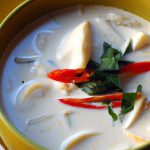

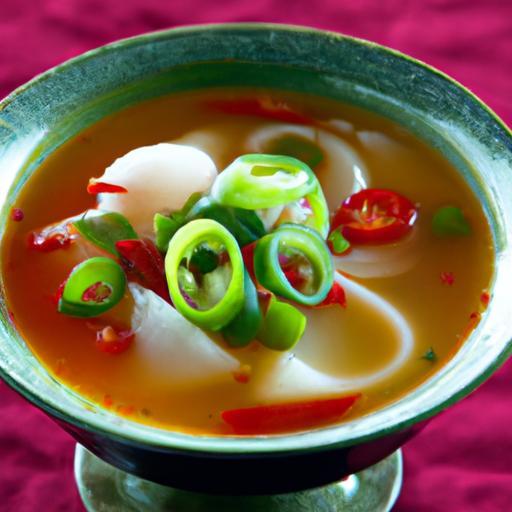
There’s a vibrant dance of flavors simmering in the heart of China’s culinary tradition-where sour tang meets fiery spice in a harmonious clash that awakens the palate and stirs the soul. Sour and spicy soups, with their bold, invigorating profiles, offer more than just a meal; they tell stories of regional heritage, resilience, and a keen celebration of contrast. from the tangy bite of Sichuan’s famous hot and sour soup to the nuanced sour notes of Yunnan’s local broths, these dishes invite us on a sensory journey thru the diverse landscapes of Chinese cuisine. Join us as we savor the zing and explore the rich cultural tapestry behind China’s most exhilarating sour and spicy soups.
Savoring the Zing: China’s regional sour and spicy soups are culinary symphonies that awaken the senses, from the fiery depths of Sichuan’s famed hot pot broths to the tangy whispers of Hunan’s traditional bowls. These soups captivate not only for their bold heat but for a delicate interplay of acidity,creating a complex flavor profile that has enchanted food lovers for centuries.Each sip is an exploration into the heart of Chinese culture, a journey through time and place that invites you to discover an authentic taste of the nation.
Prep and Cook Time
- Planning: 20 minutes
- Cooking: 40 minutes
- Total Time: 1 hour
Yield
Serves 4 hearty bowls of vibrant sour and spicy soup
Difficulty Level
Medium – beginner cooks can succeed with careful attention to balancing flavors
Ingredients that Ignite the Palate: Exploring Authentic Components
- 6 cups chicken or vegetable broth (preferably homemade or low sodium)
- 200g firm tofu, cubed
- 1 cup bamboo shoots, julienned and drained
- 1/2 cup wood ear mushrooms, soaked and sliced
- 2 medium tomatoes, peeled and chopped
- 3 tablespoons Chinkiang black vinegar (or aged Chinese rice vinegar)
- 2 tablespoons chili bean paste (doubanjiang) – the soul of Sichuan heat
- 1 tablespoon fresh ginger, finely minced
- 3 cloves garlic, finely minced
- 1 teaspoon Sichuan peppercorns, toasted and lightly crushed
- 2 dried red chilies, broken into pieces
- 1 teaspoon sugar (to balance acidity)
- 3 tablespoons vegetable oil
- 1 tablespoon cornstarch mixed with 3 tablespoons water (optional for thickening)
- 2 scallions, finely sliced for garnish
- Fresh cilantro leaves for finishing touch
- Salt to taste
Techniques Behind the Perfect Balance of Heat and Tang
- Toast the Sichuan peppercorns in a dry pan over medium heat until aromatic, about 2 minutes, then crush lightly with a mortar and pestle to release their numbing essence.
- In a wok or heavy-bottomed pot, heat the vegetable oil over medium heat.Add ginger,garlic,and dried red chilies. Sauté until fragrant, about 1-2 minutes, stirring continuously to prevent burning.
- Incorporate the chili bean paste (Doubanjiang), stirring for another minute to bloom the spicy flavors deeply into the oil.
- Add the chicken or vegetable broth slowly, stirring to combine all aromatics evenly.
- Introduce bamboo shoots,wood ear mushrooms,and tomatoes. Let the soup simmer gently for 20 minutes to allow flavors to meld and the tomatoes to soften, releasing their tangy sweetness.
- Gently fold in tofu cubes and simmer another 5-7 minutes, careful to not break the delicate tofu.
- Balance the soup’s acidity with Chinkiang vinegar and sugar, tasting carefully to achieve that hallmark sour yet harmonious bite.
- Optionally, thicken the broth by stirring in the cornstarch slurry slowly while simmering until the desired consistency is reached.
- Season with salt to taste, adjusting the heat and sour notes until perfectly layered and vibrant.
Chef’s Notes: Tips for Success When Savoring the Zing
- Ingredient Substitutions: If Doubanjiang is unavailable, use fermented chili paste or a blend of chili flakes with miso as a creative replacement.
- Vinegar Choice: Chinkiang black vinegar lends a robust and slightly sweet dimension; for a sharper tang, substitute with Chinese white rice vinegar sparingly.
- Texture Matters: Adding mushrooms like enoki or shiitake can bring delightful earthy notes and add pleasant bite variations.
- Make-Ahead: Soup flavors deepen when rested overnight, making it ideal for meal prep – just reheat gently to avoid breaking tofu.
- Heat Adjustment: Control the soup’s spiciness by varying the amount of chili bean paste and dried chilies; removing seeds reduces heat without losing flavor.
Serving Suggestions
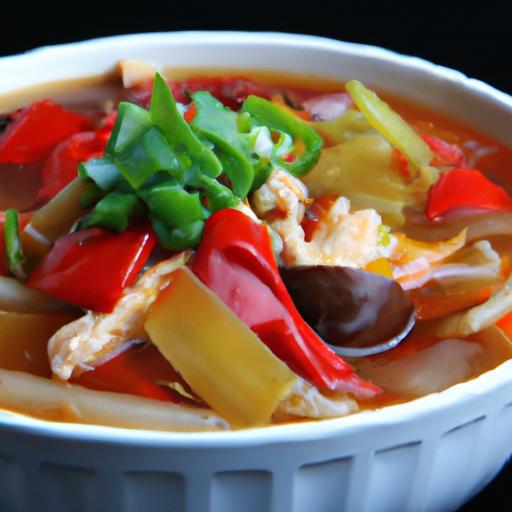
Serve your bowl steaming hot, preferably in a deep ceramic bowl to showcase the rich color spectrum from deep red chili oil to shining green garnishes. Top generously with fresh scallions and cilantro to add fresh herbal brightness and a pop of color. Pair with steamed jasmine rice or soft handmade noodles to balance intensity. For a dining experience true to tradition, accompany with lightly pickled mustard greens or crispy sesame-crusted tofu bites.
| Nutrient | Per Serving |
|---|---|
| Calories | 180 kcal |
| Protein | 12 g |
| Carbohydrates | 15 g |
| Fat | 8 g |

Immerse yourself further in China’s culinary landscape by exploring our related post on Sichuan Hot Pot and Its Fiery Essence. For more on authentic ingredients, visit the China Highlights Sichuan Food Guide.
Q&A
Q&A: Savoring the Zing – Exploring China’s Sour and Spicy Soups
Q1: What makes China’s sour and spicy soups so distinctive?
A1: China’s sour and spicy soups are a tantalizing dance of bold flavors that awaken the palate.The harmony of acidity and heat-from ingredients like vinegar, pickled vegetables, and chili peppers-creates a complex zing that is both refreshing and comforting. These soups aren’t just meals; they’re vibrant stories told through taste, reflecting regional traditions and centuries-old culinary artistry.
Q2: Which regions in China are best known for their sour and spicy soups?
A2: While sour and spicy soups appear throughout China,regions like Sichuan and Hunan stand out. Sichuan’s iconic hot and sour soup boasts numbing Sichuan peppercorns paired with fiery chilies and a tangy vinegar kick.Simultaneously occurring, Hunan cuisine spices things up with smoky, fermented ingredients and a deeper, earthy sourness. Each bowl offers a glimpse into the local landscape and cultural palate.
Q3: What are some classic examples of sour and spicy soups in Chinese cuisine?
A3: The quintessential is hot and sour soup-rich broth laden with tofu, wood ear mushrooms, bamboo shoots, and pork or chicken, seasoned with white pepper and black vinegar for its signature zing. Another gem is Suan Tang Yu (sour soup fish),where freshwater fish simmers in a broth charged with pickled vegetables and chili,delivering a fiery,tangy punch. These recipes highlight the dynamic interplay of heat and acidity.
Q4: How do the sour and spicy elements complement each other in these soups?
A4: Sourness cleanses and brightens the palate, cutting through richness and balancing the profound heat of spicy ingredients. Spiciness stimulates the senses and encourages appetite,while sour notes add complexity and freshness.Together, they create an exhilarating flavor synergy that’s both invigorating and deeply satisfying.
Q5: Are these soups considered medicinal or health-promoting in Chinese culture?
A5: Absolutely. Traditional Chinese Medicine often celebrates the therapeutic benefits of spicy and sour flavors. spicy chilies are believed to promote circulation and stimulate digestion, while sour components like vinegar can aid in detoxification and balance the body’s Qi. Eating these soups is not just about flavor but nurturing health and vitality.
Q6: Can sour and spicy soups be adapted for different tastes or dietary needs?
A6: Certainly! While traditional recipes pack a punch, home cooks can tailor the sourness and spiciness to suit their preference-dialing back vinegar or chili levels or swapping ingredients to create vegetarian or gluten-free versions. The essence remains in the balance of boldness; the soup’s soul thrives in the contrast between tang and heat.
Q7: How should one best enjoy these sour and spicy soups?
A7: Savor them slowly to appreciate the layers of flavor unfolding with each spoonful. Pair with neutral sides like steamed rice or buns to temper the intensity. And don’t shy away from sharing-these soups are made for conviviality, warming not just the body, but the spirit around a communal table.
From the fiery depths of Sichuan to the pungent tangs of Hunan, China’s sour and spicy soups invite us into a world where flavor bursts vividly and every bowl tells a story of culture, health, and joyous indulgence. Ready your chopsticks and open your senses – the zing awaits!
In Retrospect
As our flavorful journey through China’s sour and spicy soups comes to a close, it’s clear that these vibrant broths are more than just meals-they are edible stories steeped in history, culture, and passion. Each spoonful bursts with a harmony of piquancy and tang, inviting explorers to savor not only the heat on the tongue but the rich traditions simmering beneath. Whether you’re a culinary adventurer or a casual diner, these soups offer a dynamic taste of China’s diverse regional palettes, reminding us that sometimes, the most unforgettable experiences begin with a bold, zingy sip. So next time you seek a bowl that awakens the senses and warms the soul,dive into the spirited world of China’s sour and spicy soups-you’re in for a truly savory adventure.