
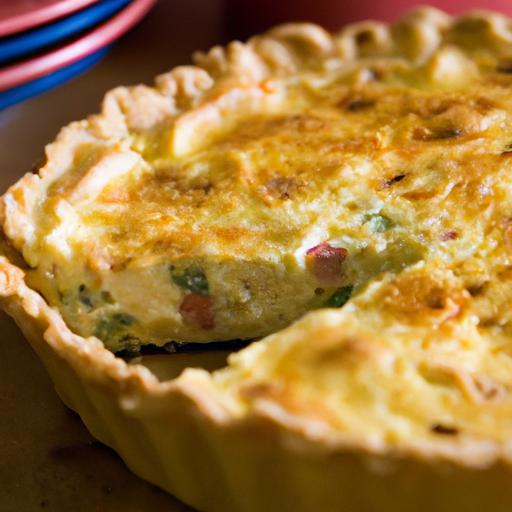
There’s nothing quite like the golden, buttery embrace of a perfect quiche crust-flaky yet tender, sturdy enough to cradle savory fillings without a hint of sogginess. Whether you’re a seasoned baker or a curious kitchen explorer, mastering the art of a flawless quiche crust is a game-changer. In this guide, we’ll unlock the secrets to crafting an easy, delicious crust that will elevate every quiche you make, turning humble ingredients into a culinary masterpiece. Ready to roll up your sleeves and bake your way to flaky perfection? Let’s dive in.
The Perfect quiche Crust Recipe: Flaky, easy & delicious Guide begins with selecting the finest ingredients that will guarantee a tender, buttery base every time. Understanding the role of each component-from chilled butter to cold water-will empower you to create a crust so light it practically melts in your mouth, providing the ideal foundation for your savory filling.
Choosing the Ideal Ingredients for a Tender and Flaky Crust
Start by focusing on high-quality, cold ingredients. Use all-purpose flour for structure, but consider adding a small portion of pastry flour if you desire a slightly softer texture. The butter must be unsalted and chilled,cut into small cubes to ensure it remains cold while you work. The cold butter pockets embedded in the dough are what produce those delicate layers when baked.
A touch of ice-cold water binds everything together, but be precise-too much water creates a tough crust, too little leaves it crumbly. For an added dimension, a pinch of salt enhances flavor, while a teaspoon of vinegar or lemon juice helps inhibit gluten formation, promoting flakiness.
Prep and Cook Time
- Preparation: 20 minutes
- Resting Time: 1 hour (chill)
- Baking Time: 15 minutes (blind bake) + 30-35 minutes (with filling)
Yield
One 9-inch quiche crust, serving 6-8 slices
Difficulty Level
Medium – beginner bakers will find the steps clear and achievable with attention to detail.
Ingredients
- 1 1/4 cups all-purpose flour, sifted
- 1/4 cup cold unsalted butter, cut into 1/2-inch cubes
- 1/4 cup cold vegetable shortening (optional for extra flakiness)
- 1/2 teaspoon fine sea salt
- 2-4 tablespoons ice-cold water
- 1 teaspoon apple cider vinegar or lemon juice (optional)
Instructions
- Combine dry ingredients: In a large mixing bowl, whisk together the all-purpose flour and salt.
- Cut in the fats: Using a pastry blender or your fingertips, quickly cut the cold butter and shortening into the flour until the mixture resembles coarse crumbs with pea-sized bits of butter visible.
- Add cold liquid: Mix vinegar or lemon juice into 2 tablespoons of ice-cold water. Gradually sprinkle this into the flour mixture, tossing lightly with a fork. add only enough water for the dough to just hold together when pressed.
- Form the dough: Using your hands, gently press the dough into a flat disc. Avoid kneading; minimal handling prevents gluten from toughening the crust.
- Rest the dough: Wrap tightly in plastic wrap and refrigerate for at least 1 hour. This chilling step hydrates the flour and firms the fats, essential for a flaky texture.
- Roll out without tears: Lightly flour a clean surface and roll the dough evenly from the center outward into a roughly 12-inch circle, rotating the dough occasionally to prevent sticking. For best results, roll halfway, rotate the dough 45 degrees, then continue rolling.
- Transfer to pan: Carefully lift the dough with a rolling pin and lay it over your quiche pan. Press gently to fit without stretching, which can cause shrinkage.
- Chill again: Pop the lined pan in the fridge for 15 minutes before baking.
- Blind bake for a crisp base: Poke holes in the dough with a fork to prevent bubbling, line with parchment, and fill with pie weights or dried beans. bake at 375°F (190°C) for 15 minutes. remove weights and bake an additional 5 minutes until lightly golden.
- Fill and bake: Add your quiche filling and bake according to your recipe instructions, usually 30-35 minutes until the custard sets and crust edges turn golden brown.
Chef’s Notes & Tips for success
- Keep everything chilled-cold dough is key for flaky layers.
- Avoid overworking the dough; this prevents tough gluten development.
- If cracks form during rolling, patch gently with a dab of water and extra dough.
- Use a tart ring or removable-bottom pan for easy serving.
- Make the crust a day ahead, wrap well, and keep refrigerated until ready to blind bake.
Serving Suggestions
For an eye-catching presentation, garnish your golden, flaky quiche with fresh herbs such as chives, parsley, or thyme. Serve alongside a fresh green salad dressed in a light vinaigrette or roasted seasonal vegetables. A crisp glass of white wine or sparkling water with a lemon twist enhances the experience. This crust is also perfect for savory tarts and galettes, offering versatile deliciousness beyond quiche.

| Nutritional Info (per serving) | Calories | Protein | Carbs | Fat |
|---|---|---|---|---|
| 1 slice (1/8 of crust) | 210 | 3g | 22g | 12g |
Discover more delicious crust recipes in our guide to savory pies and crusts and elevate your baking repertoire even further.
Q&A
Q&A: Perfect Quiche Crust Recipe – Flaky, Easy & Delicious Guide
Q1: What makes a quiche crust “perfect”?
A: A perfect quiche crust strikes the ideal balance between flaky and tender, providing a sturdy base that holds savory fillings without becoming soggy. It should have a buttery flavor with a delicate crispness that elevates every bite.
Q2: Can I make a quiche crust without special equipment?
A: Absolutely! You don’t need a fancy food processor or pastry cutter. Simply use cold butter, a fork or your fingertips to blend the dough until it resembles coarse crumbs. The key is to keep everything cold and handle the dough gently to maintain flakiness.
Q3: What’s the secret ingredient for extra flakiness?
A: Cold butter cut into small cubes and handled minimally is the jackpot for flakiness.Some bakers also swear by a splash of vodka or ice-cold water-this helps relax the gluten without adding moisture that makes the crust tough.
Q4: How do I prevent a soggy quiche crust?
A: Blind baking (pre-baking the crust before adding the filling) is your best friend. Prick the dough with a fork, line it with parchment and pie weights, and bake until golden. This creates a moisture barrier so that rich quiche fillings don’t seep into the crust.
Q5: Can I make the crust ahead of time?
A: yes! You can prepare the dough up to 2 days ahead and keep it wrapped in the fridge, or freeze it for up to a month. When ready, just thaw in the fridge overnight, roll out, and bake as directed. This makes for easy weeknight dinner prep.
Q6: Is there a gluten-free option for quiche crust?
A: Definitely. Substitute all-purpose flour with a well-balanced gluten-free flour blend. Adding a tablespoon of xanthan gum can definitely help mimic the elasticity of gluten, ensuring your crust is still flaky and holds together beautifully.
Q7: Any tips for rolling out the dough evenly?
A: Chill your dough thoroughly before rolling. Lightly flour your work surface and rolling pin, roll from the center outward, turning the dough frequently for an even circle. Don’t overwork it – a light touch keeps the crust tender.
Q8: How can I add extra flavor to my quiche crust?
A: Mix fresh herbs like thyme,rosemary,or chives into the dough,or grate a little sharp cheese for a savory twist. Don’t forget a pinch of salt to enhance all those buttery notes.
Q9: What’s the best fat to use in quiche crust? Butter or shortening?
A: Butter is king when it comes to flavor, but a mix of butter and shortening (or lard) can boost flakiness. If you love that rich, buttery aroma, stick with all butter-just make sure it’s ice cold!
Q10: Can I reuse leftover quiche crust dough?
A: Yes! Leftover dough can be reshaped and baked into mini tartlets or savory crackers. Just keep it chilled and handle gently to maintain the flaky texture.
With these tips and tricks in hand,your quiche crust will turn out irresistibly flaky,delicious,and perfectly easy every single time!
Final Thoughts
With your newfound knack for crafting the perfect quiche crust-flaky,tender,and just the right amount of buttery-you’re all set to elevate any filling you choose into a culinary masterpiece. Remember, the secret lies in gentle hands, cold ingredients, and a touch of patience. Whether you’re whipping up a classic Lorraine or experimenting with seasonal veggies and cheeses,this crust will be the indispensable foundation that brings it all together. So go ahead, roll up your sleeves, and let every slice tell the story of homemade goodness made simple and delicious. Happy baking!