
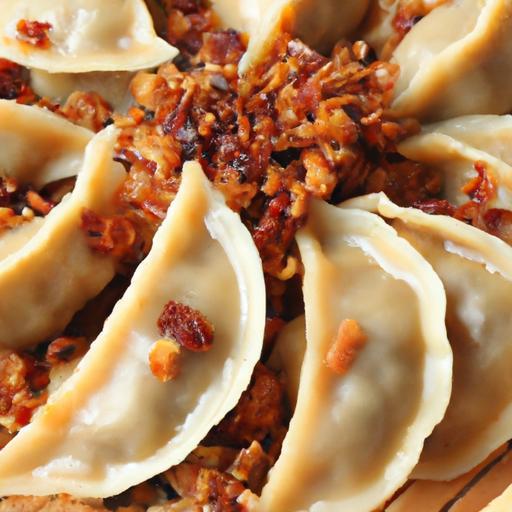
From the bustling night markets of Taipei to the cozy kitchens of Eastern Europe, dumplings have woven themselves into the culinary tapestries of cultures worldwide. These humble parcels of dough, filled with everything from spiced meats to vibrant vegetables, tell stories of tradition, migration, and innovation. In this savory global journey,we’ll unwrap the rich history and diverse flavors of dumplings-from silky Chinese jiaozi and hearty Polish pierogi to delicate Italian ravioli and spicy Indian momos-celebrating how this simple concept transcends borders to become a beloved comfort food across continents. Join us as we explore the world one dumpling at a time,savoring the flavorful connections that unite us all.
Dumplings Around the World: A Savory Global Journey
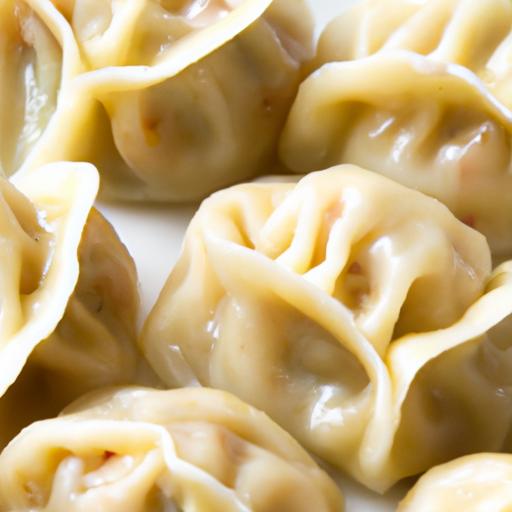
Dumplings around the world have a magical way of telling stories through their unique shapes, textures, and flavors. From the delicate folds of Chinese jiaozi to the hearty pockets of Polish pierogi, each regional variety is a culinary treasure forged by local ingredients and time-honored techniques. Exploring these nuances not only whets the appetite but also invites a deeper connection to the cultures that cherish them.
Prep and Cook Time
- Prep Time: 30 minutes
- cook Time: 20 minutes
- Total Time: 50 minutes
Yield
- Approximately 24 dumplings (serves 4)
Difficulty Level
- Medium – ideal for excited home cooks ready to try folding and filling techniques
Ingredients
- 2 cups all-purpose flour,sifted
- 3/4 cup warm water
- 1/2 lb ground pork (or substitute with ground chicken or mushrooms for vegetarian)
- 1 cup finely chopped Napa cabbage
- 2 tablespoons soy sauce
- 1 tablespoon sesame oil
- 2 cloves garlic,minced
- 1 tablespoon ginger,freshly grated
- 1 scallion,thinly sliced
- 1 teaspoon salt
- 1/2 teaspoon white pepper
- Vegetable oil for frying (optional)
- Water for sealing dumplings
Instructions
- Prepare the dough: In a large bowl,gradually mix the all-purpose flour with warm water until a smooth,elastic dough forms. Knead for about 8 minutes, cover with a damp cloth, and let rest for 30 minutes.
- Make the filling: In a mixing bowl, combine ground pork, chopped Napa cabbage, soy sauce, sesame oil, garlic, ginger, scallions, salt, and white pepper. Mix thoroughly until well incorporated and slightly sticky.
- Roll and cut wrappers: Divide the dough into small portions. On a lightly floured surface, roll each portion into thin circles about 3 inches in diameter. Keep them covered to prevent drying out.
- Fill the dumplings: Place a heaping teaspoon of filling in the center of each wrapper. Dip your finger in water and moisten the edges. Fold the dough over to create a half-moon shape, pinching and pleating to seal tightly.
- Cook dumplings – boiling method: Bring a large pot of salted water to a gentle boil. Add dumplings in batches and cook for 5-6 minutes, or until they float to the surface. Remove with a slotted spoon.
- Optional frying for potstickers: Heat 2 tablespoons of vegetable oil in a non-stick skillet over medium heat. Place dumplings flat-side down and fry until golden and crisp, about 3-4 minutes. Carefully add 1/4 cup water, cover, and steam for 5 minutes until water evaporates and dumplings are cooked through.
- Serve hot with dipping sauce: Pair dumplings with a classic sauce made from soy sauce, rice vinegar, and chili oil for an authentic experience.
Tips for success
- To keep dough pliable, cover rolled wrappers with a damp cloth while working.
- Use finely chopped Napa cabbage to reduce water release during cooking-squeeze excess moisture if needed.
- Don’t overfill dumplings to ensure easy sealing and prevent bursting in the water.
- Try swapping pork for diced shiitake mushrooms, tofu, or shrimp for varied regional flavors.
- Make dumplings ahead and freeze on a tray in a single layer, then store in a freezer bag for easy future meals.
Serving Suggestions
Present your dumplings on a rustic wooden platter or a luminous ceramic dish. Garnish with freshly chopped scallions, toasted sesame seeds, and a few cilantro sprigs for visual and aromatic appeal. Complement the feast with conventional beverages like Chinese jasmine tea or Japanese sake, which beautifully enhance the subtle umami notes of the dumplings. For a vibrant twist, add pickled vegetables on the side or a small salad dressed with toasted sesame oil and rice vinegar.

Nutrition Data per Serving
| Calories | Protein | Carbohydrates | Fat |
|---|---|---|---|
| 280 kcal | 18 g | 30 g | 8 g |
Discover More Dumpling Inspirations
For those curious about the cultural depth and flavors of dumplings around the world, explore our detailed guide on Authentic Asian Dumplings or learn pairing secrets with local beverages on wine Enthusiast’s expert pairing tips.
Q&A
Q&A: Dumplings Around the World – A Savory Global Journey
Q1: What makes dumplings such a beloved dish across different cultures?
A1: dumplings are the perfect culinary chameleons-simple at their core, yet endlessly versatile. Their universal appeal comes from their ability to be filled with anything from savory meats and vegetables to sweet fillings, wrapped in dough that can be boiled, steamed, fried, or baked. They’re portable comfort food that transcends borders, making them a communal delight in feasts, street food stalls, and family kitchens around the globe.
Q2: Which regions have the moast iconic types of dumplings?
A2: Dumplings are a worldwide phenomenon, but some regions stand out with iconic varieties. East Asia boasts chinese jiaozi and Japanese gyoza; Eastern Europe treasures Polish pierogi and Russian pelmeni; South Asia offers Indian momos and modaks; while Latin America delights in empanadas and tamales. Each type reflects the local ingredients, cooking methods, and cultural traditions, creating a rich tapestry of flavors.
Q3: How do the cooking methods influence the texture and flavor of dumplings?
A3: The method of cooking is a dumpling’s magic wand. Steaming yields tender, delicate pockets that emphasize filling freshness, as seen in Shanghai soup dumplings. Boiling creates soft, buoyant textures typical of pierogi or Russian pelmeni. Pan-frying lends a crisp golden exterior with a juicy interior, famously enjoyed with Japanese gyoza. Baking and deep-frying bring a toasty crunch,adding layers of flavor and satisfaction.
Q4: Can dumplings be considered a cultural symbol?
A4: Absolutely! Dumplings frequently enough transcend their role as mere food to become symbols of cultural identity, family unity, and festivity. For instance, in Chinese culture, eating dumplings during the Lunar New Year symbolizes wealth and good fortune. in Eastern Europe, sharing pierogi during holidays is a tradition rooted in togetherness. These little parcels often carry stories and heritage, uniting generations through shared rituals.
Q5: What are some surprising or lesser-known dumpling varieties around the world?
A5: beyond the famous dumplings,the world hides captivating varieties like Ethiopian tibs wrapped in injera folds,Georgian khinkali-juicy spiced meat dumplings with a distinctive pleated design-or Filipino siomai,steamed to tender perfection but always accompanied by a tangy dipping sauce. exploring these lesser-known treats opens a delightful door to global cultures untold by mainstream cuisine.
Q6: How can home cooks experiment with making dumplings from different cuisines?
A6: To embark on your own dumpling adventure, start with mastering a versatile dough recipe and basic folding techniques, then experiment with fillings from diverse cultures: try pork and cabbage for Chinese jiaozi, potatoes and cheese for pierogi, or spiced lamb for Middle Eastern manti. Pair each creation with authentic dipping sauces-from soy and vinegar blends to garlic-infused sour cream-to capture the full flavor experience. Dumplings invite creativity and curiosity, making them a rewarding kitchen project!
Q7: Why does the dumpling continue to evolve in modern cuisine?
A7: Dumplings endure because they’re a canvas for innovation yet steeped in tradition.Chefs and home cooks alike reimagine them with new ingredients-from vegan jackfruit to fusion fillings combining kimchi and cheese-reflecting changing tastes and global connectivity. Dumplings flexibly adapt while honoring their roots,making them timeless and endlessly exciting for food lovers worldwide.
Embark on your own dumpling journey and savor the world, one delicious bite at a time!
The Way Forward
As we close our savory journey through the world’s diverse dumplings, one thing becomes clear: these humble pockets of dough are much more than just food-they are edible stories, carrying the culture, history, and heart of every place they come from. From the delicate folds of Japanese gyoza to the hearty fillings of Eastern European pierogi, dumplings invite us to savor a world united by taste and tradition. So whether you find yourself folding wontons in a bustling kitchen or steaming momos on a misty mountain, remember that each bite is a flavorful invitation to connect across cultures-one delicious dumpling at a time.