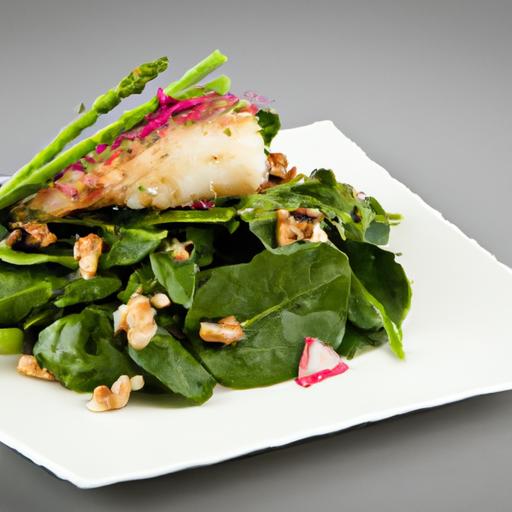

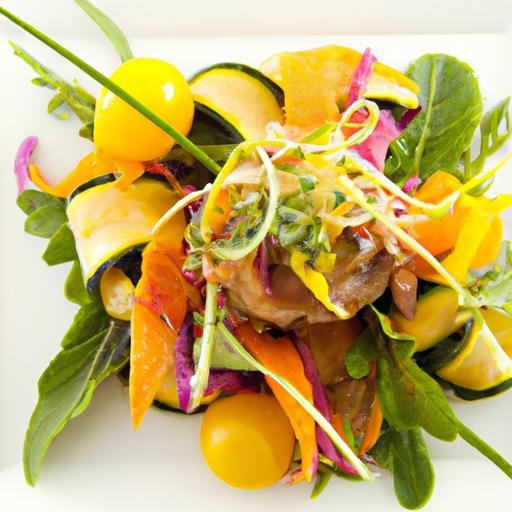
In a world where taste often battles with health, the quest for flavorful yet low-calorie meals can feel like chasing a myth. But what if savoring every bite didn’t mean sacrificing your nutritional goals? Welcome to the realm of macrofactor magic-where proteins, fats, and carbs unite to create dishes that satisfy your palate and fuel your body without tipping the calorie scale.In this article, we unlock the secrets behind top low-calorie macrofactor recipes, breaking down the science and art of balancing flavor with nutrition. Prepare to elevate your cooking game and discover meals that delight the senses while keeping your wellness journey on track.
Unlock Flavor: Top Low-Calorie Macrofactor Recipes Explained brings you an exciting journey into balancing nutrition and taste without compromising on satisfaction. This unique approach combines science-backed macrofactor balancing with vibrant, flavor-packed ingredients and creative cooking techniques that elevate every bite while keeping calories in check.
Prep and Cook Time
planning: 15 minutes
Cooking: 20 minutes
Total Time: 35 minutes
Yield
Serves 4
Difficulty Level
Medium
Ingredients
- 200g skinless chicken breast, thinly sliced
- 1 medium zucchini, spiralized into noodles
- 1 cup cherry tomatoes, halved
- 1 red bell pepper, thinly sliced
- 2 cloves garlic, minced
- 1 tbsp avocado oil
- 2 tbsp low-sodium soy sauce
- 1 tbsp fresh lime juice
- 1 tsp smoked paprika
- 1/4 cup fresh cilantro, chopped
- Salt and freshly cracked black pepper, to taste
- 1/4 cup toasted crushed peanuts (optional, for garnish)
Instructions
- Marinate the chicken: In a bowl, combine the thinly sliced chicken breast, minced garlic, smoked paprika, soy sauce, and lime juice. Let rest for 10 minutes to infuse flavor.
- Prepare the veggies: Spiralize the zucchini and slice the cherry tomatoes and bell pepper. Set aside.
- Sauté the chicken: Heat avocado oil in a non-stick skillet over medium-high heat. Add the marinated chicken and cook until browned, about 5-7 minutes, turning occasionally for even searing. Remove and set aside.
- Sauté the vegetables: In the same skillet, add the bell pepper and cherry tomatoes. Cook for 3-4 minutes until softened but still vibrant.Toss in the zucchini noodles and sauté for an additional 2 minutes - avoid overcooking to preserve texture.
- Combine and finish: return the chicken to the skillet,toss everything together to meld flavors. Season with salt and cracked pepper to taste. Sprinkle fresh cilantro over the top.
- Serve: plate immediately, garnishing with toasted crushed peanuts for a satisfying crunch and an extra layer of flavor.
Tips for Success
- For a vegetarian version, substitute chicken with firm tofu or chickpeas, marinating similarly for best results.
- If spiralizing zucchini is new to you, a vegetable peeler can create thin ribbons that work wonderfully.
- To amplify umami without extra calories, consider adding a splash of mushroom-based liquid seasoning or dried seaweed powder.
- Prepare the marinade in advance to deepen flavor-overnight in the refrigerator works beautifully.
- To keep noodles crisp, avoid cooking zucchini for more than 2 minutes in the pan, as they release moisture quickly.
Serving Suggestions
Bring this dish to life by pairing it with a crisp side salad featuring arugula, lemon zest, and shaved Parmesan for a contrast in textures.A chilled glass of sparkling water with fresh mint leaves enhances freshness. For an added flavor punch, drizzle a homemade chili-lime vinaigrette just before serving.

| Nutrient | Per Serving |
|---|---|
| Calories | 280 kcal |
| Protein | 32g |
| Carbohydrates | 10g |
| Fat | 8g |
For a deeper dive into nutrient timing and macro balancing tips, check out our comprehensive macro nutrient timing guide. Want to explore the science behind flavor enhancement? The ScienceDaily report on flavor and food chemistry offers captivating insights.
Q&A
Q&A: Unlock Flavor - Top Low-Calorie Macrofactor Recipes Explained
Q1: what exactly are “macrofactor” recipes?
A1: Think of macrofactor recipes as culinary balance beams-they carefully mediate your macros: proteins, fats, and carbohydrates. These recipes are designed to deliver optimal nutrition while keeping calories low, allowing you to enjoy flavor without guilt. They help you hit your dietary goals smarter, not harder.Q2: why focus on low-calorie recipes that emphasize macros?
A2: ItS simple-when you manage macros thoughtfully, your body gets what it needs without excess calorie overload. Low-calorie macrofactor recipes let you unlock full flavor profiles by combining nutrient-dense ingredients, keeping you energized and satisfied without derailing your health goals.
Q3: Can low-calorie meals really taste flavorful?
A3: Absolutely! Flavor isn’t about piling on fat or sugar; it’s about layering ingredients, smart seasoning, and clever cooking methods.By understanding macros, you use the right balance of protein, fat, and carbs to enhance natural tastes. For example, lean proteins with bright herbs and crunchy veggies create a symphony of flavor that’s both vibrant and guilt-free.
Q4: What are some examples of top low-calorie macrofactor recipes?
A4: Picture grilled chicken with a zesty chimichurri, roasted Brussels sprouts drizzled with a touch of olive oil, and a quinoa salad bursting with fresh lemon and herbs. Or how about a creamy yet low-calorie avocado and Greek yogurt dip served alongside crunchy carrot sticks? These dishes maximize taste while respecting calorie counts and macro needs.
Q5: How do these recipes support weight management or fitness goals?
A5: By delivering balanced macros in each meal, these recipes stabilize blood sugar, reduce cravings, and fuel your workouts efficiently.they promote lean muscle retention and fat loss by ensuring you’re not just eating less, but eating smart. This means better energy levels and sustainable results.
Q6: Can these recipes be adapted for special diets?
A6: Definately. The beauty of macrofactor recipes is their adaptability. Whether you’re keto-curious, plant-based, or gluten-free, you can tweak protein sources, swap fats, and adjust carbs, all while keeping calories in check and flavors bold.
Q7: What’s the easiest way to start with low-calorie macrofactor cooking?
A7: Begin by tracking your current macros and calorie intake using an app or journal. Then, experiment with recipe swaps-replace heavy sauces with herbs and spices, opt for lean proteins, and incorporate colorful veggies. The key is fun experimentation paired with mindful measurement.
Q8: Where can readers find more inspiration for these recipes?
A8: Apart from cookbooks and nutrition blogs,many fitness-focused platforms share tailored macrofactor meal plans and recipes. Social media channels and forums dedicated to healthy cooking also offer creative twists and communal support.
Unlocking flavor through low-calorie macrofactor recipes isn’t just about eating less-it’s about eating smart and deliciously. Ready to embark on this tasty journey? Your palate (and your wellness) will thank you.
Insights and Conclusions
As you embark on your culinary journey armed with these top low-calorie macrofactor recipes, remember that unlocking flavor doesn’t mean sacrificing satisfaction. By balancing proteins, fats, and carbs thoughtfully, each dish becomes a vibrant party of taste and nutrition. Whether you’re fueling a busy day or savoring a mindful meal, these recipes prove that healthy eating can be both exciting and effortless. So go ahead-embrace the art of flavorful, balanced cooking and let every bite bring you closer to your wellness goals. Your palate, and your body, will thank you.