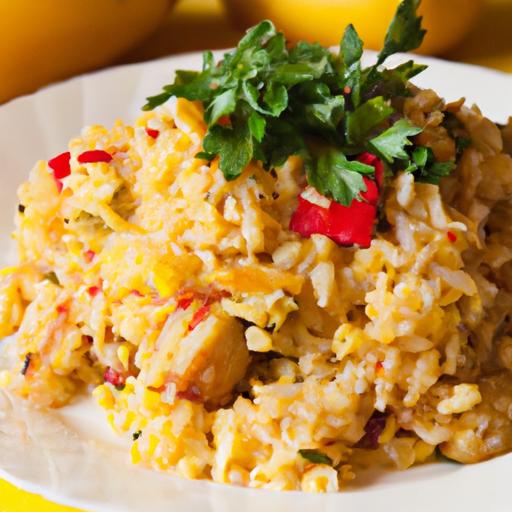

From ancient hearths to modern tables, pilav has long been more then just a humble bowl of rice. It is a culinary tapestry woven with fragrant spices, rich broths, and cultural stories that span continents and centuries. In “Pilav Unveiled: The Art and History of a timeless Dish,” we embark on a flavorful journey, exploring how this seemingly simple dish has evolved, adapted, and endured-capturing the hearts and palates of countless generations. Join us as we delve into the origins, techniques, and traditions that make pilav a true masterpiece in the world of gastronomy.
Pilav Unveiled reveals the captivating journey of one of the world’s most cherished rice dishes-a culinary tradition that has gracefully crossed borders and centuries. Pilav’s allure lies not only in its comforting aroma and harmonious flavors but also in its rich cultural tapestry, bringing warmth to tables from Istanbul to Delhi, and from the Mediterranean shores to Central Asia. With each grain precisely cooked and infused with spices, this dish embodies a timeless art where technique meets heritage.
Prep and Cook Time
- Readiness: 15 minutes
- Cooking: 30 minutes
- Total Time: 45 minutes
Yield
Serves 4 hearty portions
Difficulty Level
Medium - Perfect for adventurous home cooks ready to master a nuanced texture and flavor balance
Ingredients
- 1¾ cups long-grain basmati rice, rinsed and soaked for 30 minutes
- 3 tbsp unsalted butter
- 1 small onion, finely chopped
- 2 garlic cloves, minced
- 3 cups chicken or vegetable broth, warm
- ½ tsp ground cinnamon
- ¼ tsp ground allspice
- ½ tsp turmeric powder (for vibrant color)
- Salt to taste
- Freshly ground black pepper to taste
- ¼ cup toasted slivered almonds or pine nuts (optional)
- Chopped fresh parsley or mint for garnish
Instructions
- drain the soaked basmati rice thoroughly and set it aside. This step ensures a fluffy, separate grain structure by removing excess starch.
- Melt the butter in a heavy-bottomed saucepan over medium heat.Add the finely chopped onion and sauté until translucent and tender, about 5 minutes.
- Stir in the minced garlic and toast gently for 1 minute until fragrant-be careful not to burn it.
- add the drained rice to the pan, stirring constantly to coat each grain with butter. Toast the rice until some grains turn a delicate golden hue, about 3-4 minutes.
- Sprinkle in the cinnamon, allspice, and turmeric stirring well to distribute the warm spices, imparting both flavor and stunning color.
- Pour in the warm broth, add salt and pepper to taste, and bring to a boil. Immediately reduce the heat to low, cover tightly with a lid, and simmer gently for 15-18 minutes.
- Turn off the heat and let the pilav rest, covered, for an additional 10 minutes-this allows the steam to complete the cooking, ensuring perfectly tender rice.
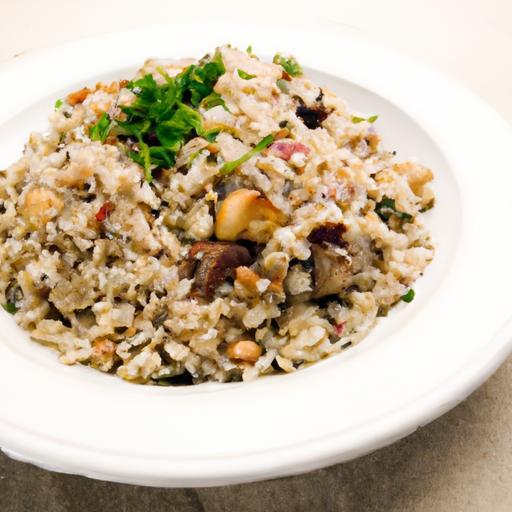
- Fluff the pilav with a fork, gently lifting the grains to preserve their shape. Fold in the toasted nuts if using, for a delightful crunch and nutty contrast.
- Garnish generously with chopped parsley or mint before serving.
Tips for Success
- Texture Mastery: Proper rinsing and soaking help prevent sticky rice, resulting in an ideal fluffy pilav.
- Broth Choice: Use rich chicken or vegetable broth to deepen the flavor profile; homemade broth adds an authentic touch.
- Spice Variations: Experiment with regional favorites like saffron threads, cardamom pods, or dried barberries for unique twists.
- Nuts & Dried Fruit: For Middle Eastern flair, incorporate golden raisins or chopped dried apricots along with nuts.
- Make-Ahead: Prepare the pilav up to step 7, then cool and refrigerate. Reheat gently with a tsp of butter to restore moisture.
Serving Suggestions
Pilav shines as a sumptuous side dish paired with richly spiced kebabs,roasted lamb,or herbed chicken. Its vibrant color and aroma make it an elegant centerpiece for festive occasions. Garnish with fresh herbs and a scattering of toasted nuts to elevate presentation and texture. For a wholesome meal, serve alongside a crisp cucumber and tomato salad dressed with lemon and olive oil, enhancing the pilav’s fragrant spices.

Nutritional Information (per serving)
| calories | Protein | Carbohydrates | Fat |
|---|---|---|---|
| 290 kcal | 6 g | 45 g | 8 g |
To deepen your culinary journey with rice dishes, explore our Middle eastern Rice Delights article for more inspiration.For the authentic history of pilav and rice cultivation, visit Britannica’s Pilaf Overview.
Q&A
Q&A: Pilav Unveiled – The Art and History of a Timeless dish
Q1: What exactly is pilav, and why is it considered timeless?
A1: Pilav is far more than just rice cooked with broth; it’s a culinary masterpiece that has traversed centuries and continents. This dish transforms simple grains into a fragrant, flavorful symphony, frequently enough enriched with nuts, spices, vegetables, or meats. Its timelessness lies in its global appeal and adaptability-pilav connects diverse cultures through a shared love for comfort and tradition.
Q2: Where did pilav originate, and how did it spread across the world?
A2: The origins of pilav trace back to ancient Persia, where rice was first cooked with aromatic spices and broths. From there, the dish journeyed along the Silk Road, embracing local ingredients and techniques in each new land it touched-be it the Ottoman Empire’s elegant adaptations or the vibrant variations found in Central Asia, India, and the Mediterranean. Pilav’s story is a testament to cultural exchange written in grains and flavors.Q3: What makes a perfect pilav? Are there secrets to mastering this dish?
A3: The art of pilav lies in balance and technique. Perfect pilav requires the rice to be fluffy yet cohesive, each grain separate but united by subtle seasonings. Key secrets include thoroughly rinsing the rice to remove excess starch, toasting the grains in fat before simmering, and cooking with just the right amount of broth-enough to infuse flavor, but never soggy. Patience and respect for the process elevate pilav from mere sustenance to an elegant dish.
Q4: How has pilav evolved in different cultures?
A4: Pilav is a chameleon on the culinary canvas. In turkey, it often features orzo or vermicelli toasted golden before rice is added. Persian pilafs may boast dried fruits and nuts, adding a sweet counterpoint. In South Asia, “pulao” introduces a symphony of spices and sometimes meat or vegetables, bridging subtlety and richness. Each variation is a window into the values, climate, and history of its people, making pilav a living archive of culture.
Q5: Can pilav be adapted for modern dietary preferences?
A5: Absolutely! Pilav’s versatility makes it a perfect candidate for contemporary diets. Gluten-free by nature, it embraces substitutions like quinoa or cauliflower rice for low-carb twists.It can be vegan-friendly by highlighting legumes and roasted vegetables, or protein-packed with meats, fish, or tofu. Modern chefs even experiment by infusing pilav with global ingredients-from saffron to truffle oil-celebrating innovation within tradition.
Q6: Why does pilav continue to hold a special place in kitchens and hearts around the world?
A6: Pilav is a dish of connection-rooted in history yet endlessly personal. Its preparation often brings families together, rituals passed from generation to generation. The comforting aroma rising from simmering pots evokes memories of home and celebration. in every grain, pilav carries stories of migration, adaptation, and unity, reminding us that through food, we share more than nourishment-we share culture, heritage, and love.
to sum up
As the final grains settle and the aroma lingers, pilav reveals itself not merely as a dish, but as a vivid tapestry woven through centuries of culture, tradition, and culinary artistry. From humble origins to royal tables, its timeless appeal lies in the delicate balance of simplicity and sophistication-a symphony of rice, spices, and stories.Understanding pilav is to appreciate a shared human heritage where flavors transcend borders, inviting us to savor history one bite at a time. In every spoonful, we taste not just nourishment, but the enduring legacy of a dish that continues to unite and inspire across the world.