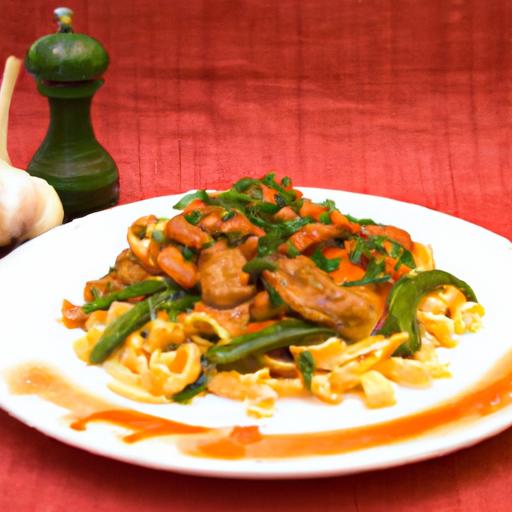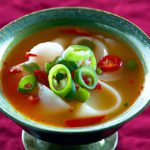

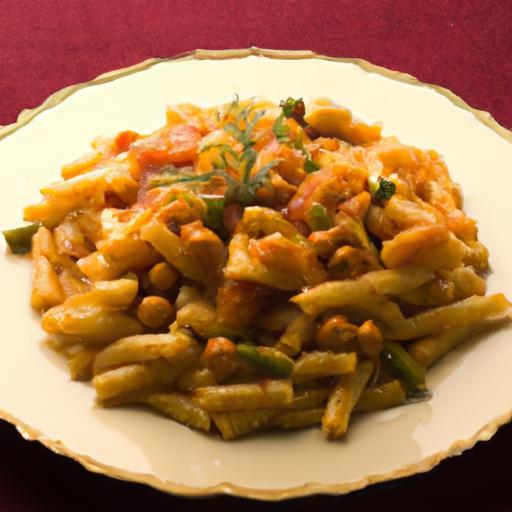
In the bustling kitchens of Algeria, where tradition simmers alongside innovation, a humble yet extraordinary dish holds a special place on the family table: Rechta. These delicate handcrafted noodles, woven with skill and history, tell a story far richer than their simple appearance suggests. More than just a staple, Rechta embodies the artistry and cultural heritage of Algerian cuisine, inviting both locals and curious food lovers worldwide to explore its unique textures, flavors, and the timeless craftsmanship behind every strand. Join us as we unravel the story of Rechta-Algeria’s iconic handcrafted noodles-and discover how this culinary treasure continues to connect generations and celebrate the heart of Algerian identity.
Rechta noodles capture the heart and soul of algerian cuisine, a symbol of tradition passed down from generations and a culinary masterpiece beloved across the Maghreb. Originating in Algiers and cherished especially in the northern regions of Algeria, these delicate, handcrafted noodles offer a unique textural experience that sets them apart from any pasta you’ve encountered. Intricately rolled and sliced by hand, rechta is more than food-it’s a celebration of community and culture, frequently enough enjoyed during family gatherings and festive occasions.
Prep and Cook Time
Preparation: 40 minutes (including kneading and rolling)
Cooking: 25 minutes
Total Time: 1 hour 5 minutes
Yield
Serves 4 to 6 people
Difficulty Level
Medium – requires patience and some manual dexterity
Ingredients
- 2 cups all-purpose flour, sifted
- ½ cup semolina flour (for added texture)
- ½ teaspoon fine sea salt
- ¾ cup warm water (approximately, adjust as needed)
- 2 tablespoons olive oil (optional, for dough elasticity)
- Extra semolina flour (for dusting and preventing stickiness)
Instructions
- Mix the flours and salt in a large bowl, ensuring even distribution for a balanced texture.
- Slowly add the warm water while stirring with your hand or a wooden spoon to form a rough dough.
- Knead the dough on a lightly floured surface for about 10 minutes until it becomes smooth, elastic, and slightly tacky but not sticky. Add olive oil during kneading if desired to enhance suppleness.
- Cover the dough with a clean kitchen towel and let it rest for at least 20 minutes to relax the gluten.
- Divide the dough into small portions.Roll out each portion thinly on a semolina-dusted board to about 1 mm thickness,maintaining an even thickness for consistent cooking.
- Using a sharp knife, slice the dough into thin ribbons roughly 3 mm wide, mimicking traditional rechta noodle dimensions.
- Dust the noodles liberally with semolina to prevent clumping, then arrange them in loose nests or spread out on a floured tray for drying if not cooking immediately.
- To cook, bring a large pot of salted boiling water to a rolling boil. Add the rechta noodles carefully and stir gently to avoid sticking. Cook for 3-5 minutes until tender but firm to the bite.
- Drain the noodles and rinse briefly with warm water to remove excess starch. Toss in a drizzle of olive oil or melted butter to keep them seperate while preparing the accompanying stew or sauce.
Tips for Success
- Flour blend: The combination of all-purpose and semolina flour ensures the right balance of softness and bite. Pure semolina noodles will be brittle and hard to roll.
- Water temperature: Use warm (not hot) water to activate the gluten gently, ensuring pliability without drying out the dough.
- Rest period: Do not skip resting; it dramatically improves elasticity and ease of rolling.
- Knife precision: Use a sharp, non-serrated knife for clean cuts to avoid ragged edges that impact texture.
- Make ahead: Noodles can be dried on trays for up to 24 hours and stored in airtight containers for swift future meals.
Serving Suggestions
Rechta is traditionally served with a rich chicken or lamb broth,frequently enough infused with cinnamon,turmeric,and a hint of saffron. garnish with toasted almonds and freshly chopped parsley for a pop of color and crunch. You can also elevate the dish with tender chickpeas and a squeeze of lemon for brightness. Accompany with a side of warm flatbread and a refreshing mint tea to complete the meal experience.

| Nutrient | Amount per Serving |
|---|---|
| Calories | 280 kcal |
| Protein | 8 g |
| Carbohydrates | 58 g |
| Fat | 1.5 g |
To deepen your Algerian culinary journey, explore other staple dishes like Algerian Couscous. For authentic ingredient sourcing and culinary history, the SBS Food guide to Rechta offers excellent regional insights.
Q&A
Q&A: Rechta – Exploring Algeria’s Iconic Handcrafted Noodles
Q: What is Rechta, and why is it considered iconic in Algerian cuisine?
A: Rechta is a traditional Algerian noodle dish, renowned for its delicate, handcrafted noodles that epitomize the artistry of Algerian culinary heritage. Frequently enough reserved for special occasions, Rechta is more than just food-it’s a symbol of communal warmth and cultural pride, passed down through generations.
Q: How are Rechta noodles made by hand, and what sets them apart from other noodles?
A: Unlike machine-made pasta, Rechta noodles are crafted with patience and skill. The dough, typically made from semolina and water, is rolled out thinly and cut into fine strips. The handmade process gives Rechta its distinctive texture-tender yet resilient-perfect for soaking up the rich sauces and broths it’s served with. Each strand carries the maker’s touch, making every plate uniquely authentic.
Q: What are the traditional ingredients and flavors associated with Rechta dishes?
A: Rechta is traditionally served with a savory stew rich in tender chicken or lamb, chickpeas, and a fragrant blend of Algerian spices such as cinnamon, saffron, and cumin.The flavors are a harmonious balance of warmth and subtle sweetness, often complemented by a delicate broth infused with herbs and slow-cooked aromatics.
Q: in what regions of Algeria is Rechta most popular, and does its recipe vary?
A: While Rechta is enjoyed throughout Algeria, it holds a special place in the northern regions, notably Algiers and Constantine.Regional variations exist-some add vegetables like carrots or turnips to the stew, while others incorporate raisins or almonds for a touch of sweetness, reflecting the diverse cultural influences within Algerian cuisine.
Q: How is Rechta traditionally served and eaten during Algerian celebrations?
A: rechta is frequently enough served during festive gatherings and family celebrations, plated elegantly with noodles arranged beneath or alongside the hearty stew. It’s customary to share the dish communally,highlighting the importance of togetherness. The ritual of eating Rechta becomes a joyous occasion,where stories,laughter,and heritage are shared over every bite.
Q: Can Rechta be adapted for modern or international kitchens?
A: Absolutely! While the traditional handmade technique is treasured, chefs around the world experiment with Rechta by using fresh pasta or even thin spaghetti as a shortcut. The rich sauce and spices remain central, offering a delightful introduction to Algerian flavors. For adventurous home cooks, making Rechta noodles by hand offers a rewarding dive into Algeria’s culinary soul.
Q: What makes Rechta more than just a noodle dish in Algerian culture?
A: Rechta embodies history, craftsmanship, and celebration. It’s a culinary legacy that connects families and communities, preserving stories of Algerian identity and resilience. Every strand is woven with tradition, making Rechta not just a meal, but a heartfelt expression of Algerian soul and spirit.
Key Takeaways
As we twirl the last strands of Rechta onto our forks, it becomes clear that this handcrafted noodle is far more than just a dish-it is indeed a woven thread of Algerian heritage, culture, and artistry. Each delicate strand carries the whispers of generations past, skillfully crafted by hands that honor tradition while embracing the present. Whether savored in a bustling Algerian kitchen or discovered in distant lands, Rechta invites us to taste not only the flavors of a nation but also the enduring spirit of its people. In exploring Rechta, we unlock a culinary story that continues to be told, one noodle at a time.