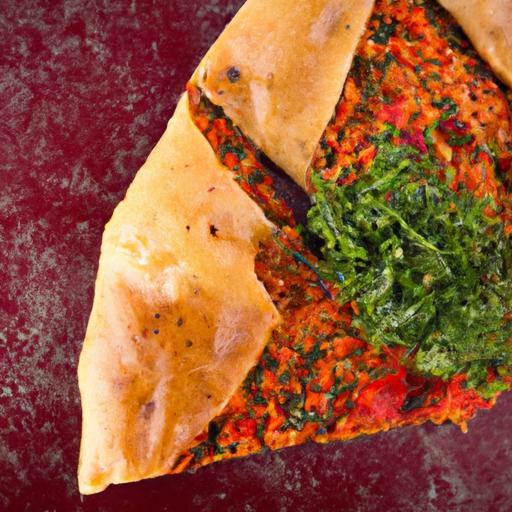

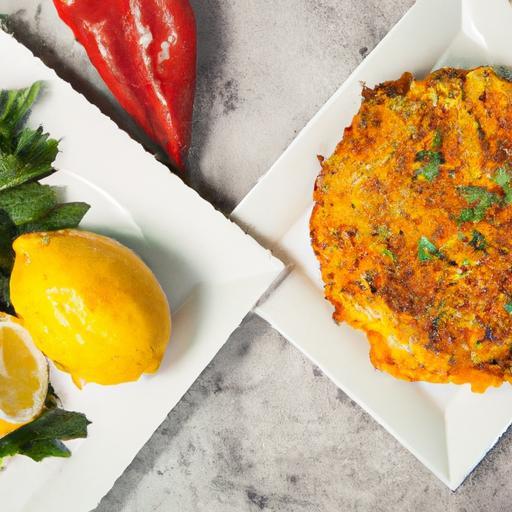
At first bite,lahmacun feels like a whisper from ancient kitchens-thin,crisp,and adorned with a vibrant tapestry of spiced meat and fresh herbs. Ofen dubbed the “Turkish pizza,” lahmacun is far more than just a simple flatbread; it is a culinary story woven through centuries of culture, tradition, and flavor innovation. In this article, we unwrap the rich history behind lahmacun, explore the layered symphony of its ingredients, and celebrate the artistry that transforms humble dough into a beloved masterpiece of Middle Eastern cuisine. Prepare to embark on a flavorful journey that reveals why lahmacun continues to captivate palates around the world.
Lahmacun, a culinary treasure spanning centuries and cultures, offers a breathtaking glimpse into the rich tapestry of Mediterranean and Middle Eastern gastronomy. This thin, crispy flatbread lavishly topped with a spiced meat mixture has evolved from humble street food origins into a beloved dish embraced worldwide. Whether savoring it in a bustling Istanbul market or recreating it in your own kitchen, mastering lahmacun reveals an artful balance of texture and flavor that tells a story of tradition and innovation.
Prep and cook Time
- Preparation: 20 minutes
- Resting Dough: 1 hour
- Cooking: 8 minutes
- Total Time: Approximately 1 hour 30 minutes
Yield
- Serves 6 (6 lahmacun, about 8-inch diameter each)
Difficulty Level
- Medium – Requires basic dough handling and flavor layering techniques
Ingredients
-
- For the Dough:
- 2 ½ cups all-purpose flour, sifted
- 1 teaspoon dry yeast
- 1 teaspoon sugar
- ¾ teaspoon salt
- 1 cup warm water (about 110°F / 43°C)
- 1 tablespoon olive oil
- For the Topping:
- 300g ground lamb or beef (lean but with some fat)
- 1 medium onion, finely minced
- 2 cloves garlic, minced
- 1 medium tomato, finely chopped
- ½ cup fresh parsley, finely chopped
- 2 tablespoons tomato paste
- 1 teaspoon paprika (preferably smoked)
- 1 teaspoon ground cumin
- ½ teaspoon dried red pepper flakes (adjust to taste)
- Salt and black pepper to taste
- 1 tablespoon olive oil
- Juice of half a lemon (optional, for brightness)
- For the Dough:
Instructions
-
-
- Prepare the dough: In a small bowl, combine warm water, sugar, and yeast. Let it bloom for 5-7 minutes until frothy. In a large mixing bowl, whisk together the flour and salt. Slowly add the yeast mixture and olive oil to the flour. Mix until a shaggy dough forms.
- Knead the dough: Turn dough onto a floured surface and knead for 8-10 minutes until smooth and elastic.Place in a lightly oiled bowl, cover with a damp cloth, and let it rest in a warm area for 1 hour or until doubled in size.
- Prepare the topping: While the dough rests, combine ground meat, minced onion, garlic, tomato, parsley, tomato paste, paprika, cumin, red pepper flakes, salt, black pepper, olive oil, and lemon juice in a bowl. Mix thoroughly until the mixture is uniform and slightly sticky.For the best flavor, refrigerate the topping for at least 30 minutes.
- Preheat the oven and prepare lahmacun bases: Preheat your oven to 480°F (250°C) with a pizza stone or baking tray inside. Divide the dough into 6 equal balls. Roll each ball into a thin circle,about 8 inches in diameter,on a lightly floured surface.
- Assemble the lahmacun: Using your hands or the back of a spoon, spread a thin, even layer (~2-3 mm) of the meat topping over each dough circle.Be careful not to overload to prevent sogginess during baking.
- Bake: Transfer the topped dough to the hot stone or baking tray (use parchment paper if needed). Bake for 6-8 minutes until edges are crisp and the topping is cooked through and slightly caramelized.
- Serve immediately: Remove lahmacun from the oven. Garnish with fresh parsley, thinly sliced onions, and a squeeze of fresh lemon. Roll or fold to enjoy warm.
-
Tips for Success
-
-
- Use warm, not hot water for yeast activation to avoid killing the yeast.
- Kneading dough until elastic develops the right texture for perfect thin crust.
- Chilling the meat topping enhances spice melding and makes spreading easier.
- Baking at high heat mimics traditional wood-fired ovens, resulting in optimum crispness.
- Substitute ground lamb with lean beef or a mix for varied flavor profiles.
- Makes ahead: Prepare dough and topping separately,refrigerate overnight,and assemble just before baking.
-
Serving Suggestions
The magic of lahmacun lies not only in its crisp, spicy foundation but also in its accompaniments. Traditionally, lahmacun is paired with fresh herbs like mint and parsley, crisp cucumbers, tangy sumac onions, and a generous squeeze of lemon juice for brightness. For a modern twist, add pickled vegetables, a dollop of creamy yogurt sauce, or a side of roasted eggplant baba ganoush. Serve with fresh pomegranate seeds or a sprinkle of toasted pine nuts for textural contrast. Roll it up like a wrap or enjoy flat with a side salad – each way is a festivity.
| Nutrient | Per Serving (1 Lahmacun) |
|---|---|
| Calories | 320 kcal |
| Protein | 18 g |
| Carbohydrates | 28 g |
| Fat | 14 g |

Exploring the origins and evolution of this delicious flatbread deepens appreciation for its complex flavor profiles and the craftsmanship involved in making the perfect lahmacun. For those intrigued by similar regional breads, see our guide on Flatbreads Around the World. To dive deeper into the culinary roots of Mediterranean flavors, visit Britannica’s mediterranean Cuisine overview.
Q&A
Q&A: Lahmacun Unwrapped – History,Flavor,and Culinary Artistry
Q1: What exactly is lahmacun?
A1: Lahmacun is frequently enough called “Turkish pizza,” but calling it pizza barely scratches the surface. It’s a thin,crispy flatbread generously topped with a vibrant,finely minced mix of ground meat (usually lamb or beef),fresh vegetables,and a symphony of spices. Baked to perfection, it’s art on a plate – simple in concept, complex in flavor.
Q2: Where did lahmacun originate?
A2: Lahmacun’s roots stretch deep into the rich soil of the ancient Middle East, with strong ties to Armenian, Turkish, and Levantine cuisines. It’s a dish that has traveled along centuries-old trade routes and cultural crossroads, evolving with every region it touched, yet always maintaining its soul – a marriage of dough and spiced meat.
Q3: what makes lahmacun’s flavor profile so distinct?
A3: The magic lies in the harmony of ingredients. The finely minced meat blends with fragrant onion, ripe tomatoes, garlic, and a chorus of spices like cumin, paprika, and sumac. Fresh herbs such as parsley bring brightness, while lemon juice often adds a zesty punch. The result? A tantalizing balance of savory, tangy, and earthy flavors that dance on your palate.
Q4: How is lahmacun traditionally prepared?
A4: Traditionally, skilled hands roll out ultra-thin dough onto a round tray, spread the spiced meat topping with care, and slide it swiftly into a blazing stone oven. The intense heat crisps the edges and cooks the topping to juicy perfection in mere minutes.It’s a performance as much as a recipe – one that has been honed by generations.
Q5: What does ‘culinary artistry’ mean when it comes to lahmacun?
A5: Lahmacun is culinary artistry as it’s more than food – it’s an expression of heritage and craft. The balance of texture and flavor requires experience; the thinness of the dough must be just right to avoid sogginess yet remain tender. Each ingredient is chosen for harmony and freshness. Rolling, topping, and baking lahmacun is almost a mindful ritual, blending instinct with tradition.
Q6: How is lahmacun enjoyed traditionally?
A6: Lahmacun is often served straight from the oven, rolled up around fresh vegetables like crisp lettuce, slices of tangy pickled peppers, and a squeeze of shining lemon juice. It’s communal, casual, and perfect for sharing.The warmth and flavor invite conversation and connection – a dish meant to be savored slowly, bite by flavorful bite.
Q7: Has lahmacun influenced or been influenced by other cuisines?
A7: Absolutely. Lahmacun exists at a crossroads – its flavors echo the spice markets of Mesopotamia, its technique parallels the flatbreads found across the Mediterranean and Central Asia. In recent years, it has inspired fusion dishes worldwide, from gourmet interpretations with exotic toppings to street-food versions catering to modern palates, proving its timeless adaptability.
Q8: Why should more food lovers be excited about lahmacun?
A8: Lahmacun is a delicious story told through taste – history, culture, and culinary skill rolled into one thin, fiery canvas. For the adventurous palate, it offers comfort, spice, and surprise. It’s a perfect introduction to Middle Eastern and Anatolian flavors, inviting food lovers to unwrap a world of tradition and savor an edible masterpiece.
To conclude
As we fold up the story of lahmacun, we find more than just a simple flatbread topped with spiced meat-it’s a vibrant tapestry woven through centuries, cultures, and kitchens. This culinary masterpiece invites us to taste history in every bite, blending time-honored traditions with bursts of flavor that continue to inspire chefs and food lovers alike. Whether savored on a bustling street corner or carefully crafted in a home kitchen,lahmacun remains a delicious testament to the artistry and heritage of its origins. so next time you unwrap this savory delight, remember you’re not just enjoying a meal-you’re partaking in a rich, flavorful journey that spans generations.