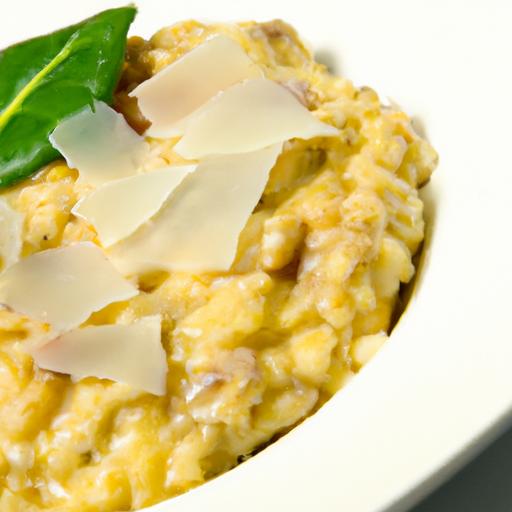

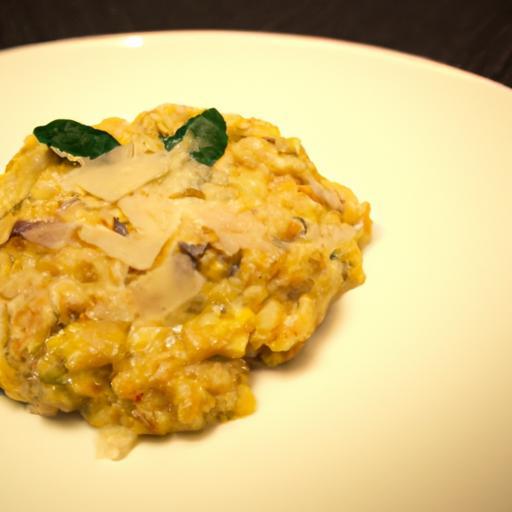
In the heart of Italy’s culinary tapestry lies a dish that is both timeless and transcendent: the classic Milanese risotto. Often referred to as the ”Golden Milanese Delight,” this sumptuous creation is more than just a meal-it is an art form crafted with patience, precision, and passion. Infused with the delicate warmth of saffron threads and the creamy embrace of slow-stirred Arborio rice, milanese risotto captures the essence of elegance on a plate.Join us as we explore the history, technique, and subtle magic behind this iconic dish, uncovering how simple ingredients transform into a radiant, silky masterpiece that has captivated palates around the world for centuries.
Golden Milanese Delight begins with understanding the star ingredient: Arborio rice. Revered for its unique ability to absorb liquid while maintaining a firm, creamy texture, this short-grain Italian rice forms the heart of an authentic risotto. Its high starch content releases a luscious creaminess that transforms simple ingredients into a comforting, velvety dish. Growing up, I remember watching my Nonna lovingly stir the pot for what felt like hours. That rhythmic motion wasn’t just tradition-it was the secret to unlocking risotto’s magic.
Prep and Cook Time
- Preparation: 15 minutes
- Cooking: 35 minutes
- total Time: 50 minutes
Yield
Serves 4 generously as a main course or 6 as a starter.
Difficulty level
Medium: Requires attention and patience but is perfect for home cooks looking to elevate their technique.
Ingredients
- 1 ½ cups Arborio rice
- 5 cups chicken or vegetable broth, kept warm
- 1 small onion, finely chopped
- 2 tablespoons unsalted butter
- 2 tablespoons extra virgin olive oil
- ½ cup dry white wine
- A pinch (about 0.1 g) saffron threads, soaked in 2 tablespoons warm broth
- ¾ cup freshly grated Parmigiano-Reggiano cheese
- Salt and freshly ground black pepper, to taste
- Fresh flat-leaf parsley, finely chopped (for garnish)
Instructions
- Heat the broth: In a saucepan, gently warm the broth over low heat and keep it at a mild simmer throughout cooking to help the rice absorb evenly.
- Softening the base: In a heavy-bottomed pan, melt 1 tablespoon olive oil and 1 tablespoon butter over medium heat.Add the finely chopped onion and sauté until translucent, about 4 minutes, stirring often.
- Toasting the rice: Add the Arborio rice to the pan and stir well to coat each grain with fat. Cook for 2-3 minutes until the rice edges become slightly translucent; this enhances its nutty aroma.
- Deglazing: Pour in the white wine and stir continuously until it has almost evaporated. This infusion adds brightness and acidity, balancing the dish perfectly.
- Adding saffron: Stir in the saffron soaked in warm broth, ensuring the vibrant golden hue begins to infuse the rice.
- Mastering the slow stir: Add a ladleful of hot broth and stir gently with a wooden spoon. Once absorbed, add more broth, repeating this slow addition and stirring cycle. This method releases the rice’s starch gradually, creating that coveted creamy texture. Continue for about 18-20 minutes.
- Checking doneness: The risotto should be tender yet al dente, with a slightly firm core; the surface should gleam with creaminess.
- Finishing touches: Remove from heat and stir in the remaining butter and grated Parmigiano-Reggiano. Taste and adjust seasoning with salt and pepper.
- Rest before serving: Let the risotto sit for 1-2 minutes covered. This encourages the flavors to harmonize and the texture to settle.
Tips for Success
- Use warm broth: Adding cold broth can shock the rice and disrupt cooking, so keep it gently simmering nearby.
- Patience is key: Resist the urge to rush adding broth. The gentle absorption and stirring coax out the starches that transform texture.
- Customize your broth: For deeper flavour,simmer broth with herbs,bay leaves,or Parmesan rinds.
- saffron substitution: If saffron is unavailable, use a tiny pinch of turmeric for color, but note it won’t replicate saffron’s delicate aroma.
- Make-ahead tip: Risotto is best enjoyed fresh. If reheating, add a splash of broth or water and stir gently to revive creaminess.
Serving Suggestions and Wine Pairings
Serve your golden Arborio rice risotto in shallow bowls to showcase its gleaming, creamy surface. Garnish with a sprinkle of fresh parsley and a delicate shaving of Parmigiano-Reggiano for elegance and texture contrast. A drizzle of high-quality extra virgin olive oil can enhance the silkiness.
For a truly elevated Milanese experience, pair with a crisp, dry italian white wine like Pinot Grigio or Soave. These wines cut thru the richness while complementing delicate saffron notes. For red wine lovers, a light-bodied Barbera d’Alba offers bright acidity and subtle spice to echo the dish’s complexity.
| Nutrient | Per Serving |
|---|---|
| Calories | 350 kcal |
| Protein | 10 g |
| Carbohydrates | 55 g |
| Fat | 8 g |

Ready to dive deeper into Italian cuisine? check out our classic Italian pasta sauces guide for more inspiration.
Q&A
Q&A: Golden Milanese Delight – The Art of Classic Risotto
Q1: What makes risotto a quintessential Italian dish, and why is the Milanese version so special?
A1: Risotto epitomizes Italian comfort and craftsmanship, turning humble rice into a creamy, luxurious experience. The Milanese risotto stands apart due to its vibrant golden hue, courtesy of saffron-a prized spice that imparts both color and an aromatic depth. It’s a dish that celebrates patience and technique, embodying the heart of Milan’s culinary heritage.
Q2: What type of rice is traditionally used in making classic risotto, and why?
A2: The gold standard for risotto is arborio or Carnaroli rice. These varieties boast high starch content, which is essential for that signature creamy texture. Their grains are sturdy enough to absorb flavors while maintaining a slight chewiness, ensuring each spoonful is a perfect balance of tender and al dente.
Q3: How does the cooking technique contribute to the unique texture of risotto?
A3: Risotto’s magic lies in its slow, deliberate process. The rice is toasted lightly,then gradually simmered with warm broth,stirred continuously to coax out starches. This patient coaxing transforms individual grains into a harmonious,velvety whole-proof that good things come to those who stir.
Q4: What role does saffron play in the Milano risotto aside from its color?
A4: Beyond the unmistakable golden tint, saffron lends a subtle floral sweetness and a slightly earthy, honeyed flavor that elevates the dish from simple rice to an elegant culinary expression. It’s a spice that whispers luxury and tradition with every grain.
Q5: Are there any key tips to perfecting the art of making classic risotto at home?
A5: Absolutely! Use quality broth as the flavor foundation, keep it warm to maintain cooking temperature, and practice patience-never rush the stirring. Taste frequently to achieve the ideal creamy yet al dente texture. Lastly, finish with a generous knob of butter and freshly grated Parmesan for that luscious finish.
Q6: Can the classic golden risotto be paired with other dishes or wines?
A6: Certainly! Milanese risotto pairs beautifully with hearty braised meats like ossobuco, complementing their richness.For wine, opt for a crisp, dry white like Pinot Grigio or a light red such as Barbera, both of which harmonize with the dish’s saffron notes and creamy texture.
Q7: How has classic risotto influenced contemporary cuisine?
A7: Risotto has transcended tradition, inspiring chefs worldwide to experiment with ingredients and presentation while honoring its core principles. The Milanese version remains a benchmark for simplicity and elegance, encouraging a mindful, hands-on approach that resonates with today’s food artisans seeking authenticity in every bite.
in Retrospect
As the creamy, golden grains of a classic Milanese risotto melt effortlessly on the palate, one can truly appreciate the mastery woven into this timeless dish. More than just a meal,it is a celebration of patience,precision,and tradition-a culinary art form that transforms humble ingredients into a luxurious experience. Whether stirred gently over a modest stove or served at an elegant table in the heart of Milan, the Golden Milanese Delight reminds us that in the world of cooking, dedication and soul are what turn simple recipes into everlasting classics. So next time you embark on your risotto journey, remember: it’s not just about reaching the perfect texture, but honoring the heritage behind each golden, fragrant spoonful.