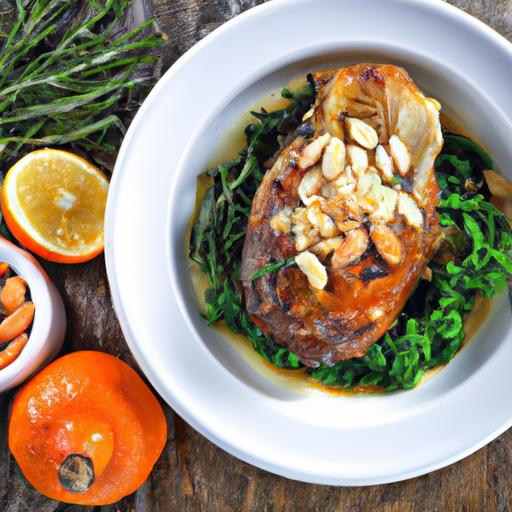

In the sun-drenched islands and rugged landscapes of Greece, where history whispers thru ancient ruins and the aroma of olive groves fills the air, one culinary treasure stands out as a symbol of tradition and rustic indulgence: Kleftiko.This legendary slow-cooked delight, with its tender, melt-in-the-mouth lamb and rich, smoky flavors, has captivated both locals and travelers alike for centuries. But beyond its irresistible taste lies a story steeped in mystery, resilience, and timeless craft. Join us as we uncover the origins, secrets, and mouthwatering allure of Kleftiko-Greece’s beloved dish that transforms humble ingredients into a feast fit for gods.
Kleftiko Uncovered reveals an extraordinary Greek treasure-an iconic slow-cooked lamb dish steeped in history and bursting with the rustic flavors of the Mediterranean. This classic recipe traces its roots back to the days of ancient rebels, or “kleftes,” who ingeniously cooked their meals sealed in earth ovens to avoid detection. The result is succulent, tender lamb infused with aromatic herbs, garlic, and lemon, capturing the spirit of communal feasts and timeless tradition. Embarking on this culinary journey means embracing the art of slow cooking and honoring Greece’s storied gastronomy.
prep and Cook Time
- Readiness: 20 minutes
- Marinating: 4 hours (recommended)
- Cooking: 3 to 4 hours
Yield
- Serves 6 generously
Difficulty Level
- Medium – requires planning and patience but yields unforgettable results
Essential Ingredients and Traditional Techniques for Authentic Kleftiko
- 2.5 lbs (1.2 kg) lamb shoulder or leg, bone-in, trimmed of excess fat
- 4 cloves garlic, thinly sliced
- Juice and zest of 1 large lemon
- 4 tbsp extra virgin olive oil
- 2 tsp dried oregano (preferably Greek)
- 1 tsp dried thyme
- 1 tsp ground cinnamon
- 1 cup dry white wine
- Salt and freshly cracked black pepper, to taste
- 4 large potatoes, peeled and quartered (optional)
- Large sheet of parchment paper or aluminum foil
- Fresh parsley, chopped (for garnish)
Mastering the Art of slow Cooking for Tender, Flavorful Results
- Marinate the lamb: Rub the lamb shoulder thoroughly with garlic slices, lemon juice and zest, olive oil, oregano, thyme, cinnamon, salt, and pepper. Place in a covered dish or zip-lock bag and refrigerate for 4 hours, ideally overnight, allowing flavors to deeply penetrate the meat.
- preheat your oven to 275°F (135°C),setting the stage for the perfect low-temperature cooking.
- Prepare the cooking parcel: Lay a large sheet of parchment paper or foil on a baking tray. place the lamb in the center, surround with potatoes if using, and pour over the marinade juices and white wine.
- seal the parcel tightly: Fold and crimp edges expertly so no steam escapes, mimicking the earth oven’s sealed environment.
- slow cook: Place the parcel in the oven and let it cook gently for 3 to 4 hours, rarely needing attention. The low heat melts connective tissues, resulting in tender, falling-apart lamb.
- Finish and rest: Carefully open the parcel to avoid steam burns. Transfer lamb to a serving platter and let it rest for 10 minutes so the juices redistribute for maximum moistness.
Chef’s Notes & Tips for success
- For an even deeper flavor, incorporate a smoked paprika pinch or a splash of ouzo in the marinade.
- If fresh oregano isn’t available,substitute with marjoram for subtle aromatic variations.
- Should you lack parchment paper, double-wrapping in heavy-duty foil works well to lock in moisture.
- Make ahead by assembling and marinating the day before, then slow cook just before serving.
- Use a meat thermometer to ensure internal lamb temperature reaches 190°F (88°C) for optimal tenderness.
Serving Suggestions
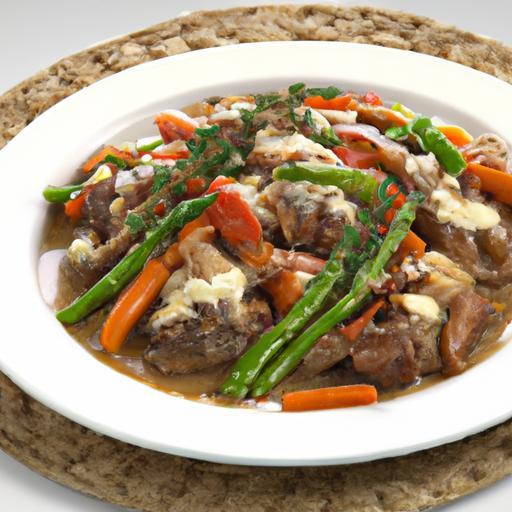
Serve the lamb on a rustic wooden board with the luscious roasted potatoes and pan juices spooned over for an irresistible presentation. Sprinkle chopped fresh parsley and a drizzle of extra virgin olive oil for vibrant color and freshness. Pair with a chilled Assyrtiko wine or a crisp Greek salad tossed with feta and Kalamata olives for a complete Mediterranean feast. A side of warm, crusty bread helps soak up every precious drop of the aromatic sauce.
| Nutrient | Per Serving (approx.) |
|---|---|
| calories | 480 kcal |
| Protein | 38 g |
| Carbohydrates | 18 g |
| Fat | 28 g |
Top Greek Destinations to savor the Ultimate Kleftiko Experience
Immerse yourself in the cultural essence of kleftiko by visiting regions celebrated for their authentic presentations. the island of Folegandros boasts traditional tavernas where kleftiko is slow-cooked underground over hot embers, preserving the age-old method. Simultaneously occurring, naxos, known for its rich agricultural heritage, showcases variations brimming with local cheeses and fresh herbs.For a city experience, Athens restaurants blend classic charm with modern twists, bringing this legendary dish to cosmopolitan tables.

Discover the magic behind this Greek treasure and create your own culinary memories as you unlock the secrets to tender, aromatic lamb that honors a remarkable history and celebrates communal joy.
Q&A
Q&A: Kleftiko Uncovered – Greece’s Legendary Slow-Cooked Delight
Q1: what exactly is Kleftiko?
A: Kleftiko is a traditional Greek dish famed for its melt-in-your-mouth slow-cooked lamb, infused with aromatic herbs and vegetables. The name “Kleftiko” translates to “stolen meat,” hinting at its legendary origins when rebellious Greeks would secretly slow-cook stolen lamb in sealed clay ovens to avoid detection.
Q2: Where did Kleftiko originate?
A: Originally from the mountainous regions of Greece, Kleftiko was invented by the klephts-Greek bandits and resistance fighters during Ottoman rule. They would cook meat underground or in sealed pits to hide the aroma from Ottoman soldiers, allowing them to feast secretly after long days of resistance.
Q3: what makes Kleftiko so special compared to other lamb dishes?
A: The magic lies in the cooking technique. Kleftiko is slow-baked-sometimes for hours-wrapped tightly in parchment or foil to trap moisture and flavors. This method tenderizes even the toughest cuts into silky, luscious lamb, while infusing the meat with garlic, lemon, oregano, and sometimes tomatoes or potatoes, creating an explosion of taste in every bite.
Q4: How is traditional Kleftiko prepared?
A: Traditionally, lamb shanks or shoulder pieces are marinated with garlic, lemon juice, olive oil, and fresh herbs like oregano and thyme. The seasoned meat is then wrapped airtight with chunks of potato and sometimes vegetables, covered with parchment or foil, and baked slowly at low temperature-frequently enough in a wood-fired oven or sealed pit.
Q5: Can Kleftiko be made at home, or is it best left to Greek chefs?
A: Absolutely, you can bring Kleftiko’s rustic charm into your kitchen! While traditional preparations may require some patience and a well-sealed oven packet, modern home cooks can replicate its slow-cooked tenderness using a covered roasting pan or slow cooker.The key is low-and-slow heat and generous seasoning.
Q6: What sides or wines complement Kleftiko?
A: Kleftiko pairs beautifully with Greek staples like creamy tzatziki, crisp village salad, and warm pita bread to soak up the flavorful juices. For wine, opt for a robust red like Agiorgitiko or Xinomavro, whose fruity, earthy notes complement the rich lamb perfectly.
Q7: Has Kleftiko evolved in modern Greek cuisine?
A: While traditional recipes remain beloved, contemporary chefs experiment with different cuts of meat, additions like goat or beef, and fusion spices. though, the heart of Kleftiko-slow, fragrant, perfectly tender meat baked in its own juices-remains timeless, connecting us to Greece’s spirited past.
Q8: Why should food lovers try kleftiko?
A: Beyond the irresistible flavor, Kleftiko is a culinary journey into Greek history and culture-a appetizing story of resilience and ingenuity. Eating it is more than a meal; it’s experiencing a savory legend that has quietly simmered through centuries, waiting to delight every curious palate.
In Retrospect
As the smoky aroma of tender lamb, mingled with herbs and lemon, lingers in the air, Kleftiko reveals itself as more than just a dish-it is indeed a story etched in every bite, a slow-cooked ode to Greece’s rich culinary heritage. Whether savored under the Mediterranean sun or recreated in a home kitchen, this legendary delight invites you to slow down, embrace tradition, and experience the timeless magic of flavors that have been perfected through centuries. In uncovering Kleftiko, we don’t just taste history; we become a part of it.