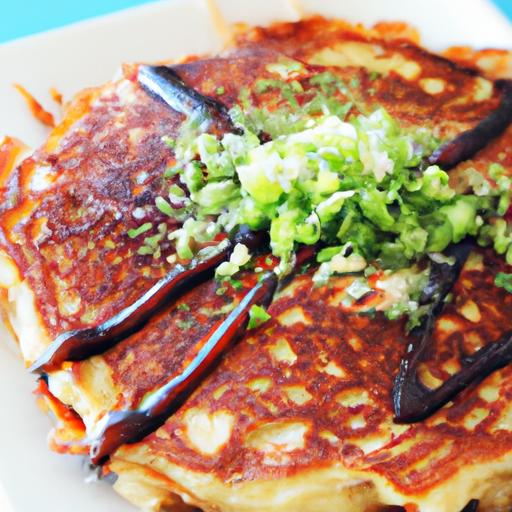

In the vibrant tapestry of Japanese cuisine, few dishes capture the spirit of home-cooked comfort and communal joy quite like okonomiyaki. Often described as a savory pancake but far more than that, okonomiyaki is a beloved culinary canvas-layered with cabbage, dotted with tender seafood or crispy pork, and crowned with a symphony of flavors from tangy sauces to creamy mayo. Whether you’re a seasoned foodie or a curious kitchen adventurer,mastering okonomiyaki opens the door to a world where tradition meets creativity,and every bite tells a story. join us as we delve into the art and science behind this ultimate Japanese pancake recipe,unlocking tips,techniques,and secrets that will transform your cooking and elevate your taste buds to new heights.
Mastering Okonomiyaki invites you into the heart of Japanese street food culture, where savory pancakes brimming with flavor and texture captivate taste buds with every bite. Originating from Osaka and Hiroshima, this iconic dish balances a delicate batter with vibrant fillings, creating a one-of-a-kind culinary experience.My frist encounter with okonomiyaki on a bustling Tokyo street left me enchanted – the sizzling sound, the smoky aroma, and the perfect harmony of crispiness and tenderness unraveled a story of comfort and creativity I’m excited to share with you.
Prep and Cook Time
- Preparation: 20 minutes
- Cooking: 15 minutes per pancake
- total Time: 35 minutes
Yield
Serves 4 hearty okonomiyaki pancakes
Difficulty Level
Medium – beginner-friendly with room for creative experimentation
Ingredients
- 1 cup all-purpose flour, sifted
- 2/3 cup dashi stock (or substitute with chicken broth)
- 2 large eggs
- 3 cups finely shredded green cabbage
- 4 green onions, thinly sliced
- 100g thinly sliced pork belly or bacon strips
- 1/4 cup tenkasu (tempura scraps) - optional, for added texture
- 1/4 cup pickled ginger, chopped
- okonomiyaki sauce (store-bought or homemade)
- japanese mayonnaise
- Aonori (dried seaweed flakes)
- Bonito flakes (katsuobushi)
- Vegetable oil for frying
- Optional fillings: cooked shrimp, squid, cheese, mochi cubes
Instructions
- Prepare the batter: In a large mixing bowl, whisk the all-purpose flour and dashi stock until smooth. Add the eggs and mix well until fully incorporated, forming a slightly runny batter.
- Add the vegetables and extras: Gently fold in the shredded cabbage,sliced green onions,tempura scraps,and pickled ginger. Mix just until combined-the batter should be full of texture and not overly thick.
- Heat your griddle or frying pan: Lightly oil the surface and set to medium heat.Give it a moment to become hot but avoid smoking.
- Form the pancakes: Pour a generous scoop of batter onto the griddle, spreading it into a circle about 6 inches wide and 1 inch thick. Layer 2-3 slices of pork belly directly on top of the batter.
- Cook the first side: Let it cook undisturbed for about 5-7 minutes until the bottom is golden brown and crispy. Use a spatula to peek underneath for color and firmness.
- Flip and cook the other side: Carefully turn the pancake over, pressing gently with your spatula to flatten it slightly. Cook another 5 minutes until the pork is cooked through and the inside is tender but cooked.
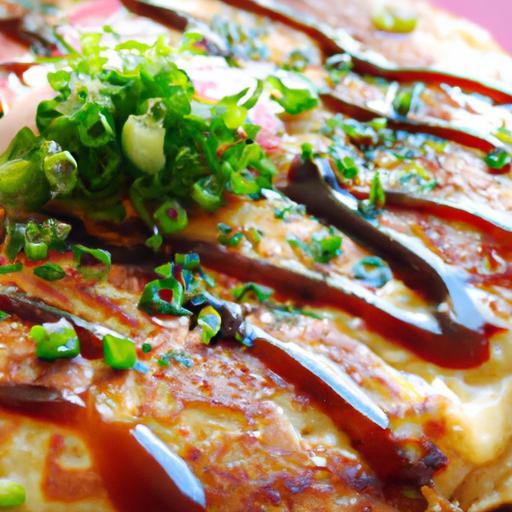
- Add sauces and garnishes: Transfer to a plate. Brush the top generously with okonomiyaki sauce,then drizzle with Japanese mayonnaise in a criss-cross pattern.sprinkle with aonori and bonito flakes that dance from residual heat.
- Serve immediately: For an authentic vibe, serve alongside pickled ginger and extra sauce. Enjoy with chopsticks or a small spatula called ‘kote.’
Tips for Success
- Use dashi stock whenever possible to deepen umami-substituting plain water will weaken the flavor.
- Shred the cabbage finely but don’t squeeze out moisture; it adds juiciness to the batter.
- Don’t overcrowd the griddle to ensure even cooking and retain crisp edges.
- Tenkasu adds a delightful crunch but can be omitted if unavailable.
- Experiment with fillings like seafood, cheese, or kimchi for your own signature creation.
- Allow the pancake to rest on a wire rack briefly before serving to maintain texture.
- To make ahead, prepare the batter and vegetables separately and combine just before cooking.
Serving suggestions
Present your okonomiyaki with an authentic touch-stack the pancakes on rustic Japanese plates, garnish with a sprinkle of fresh green onions or toasted sesame seeds, and accompany with a chilled glass of sake or a crisp Japanese beer. Add a side of miso soup or pickled daikon for a complete meal that transports you straight to a bustling street stall in Osaka.

| Nutrient | Per Serving (1 pancake) |
|---|---|
| Calories | 420 kcal |
| Protein | 18 g |
| Carbohydrates | 45 g |
| Fat | 15 g |
Feel inspired to dive deeper? Explore our Japanese street food classics collection to complement your okonomiyaki adventure. For authoritative insights on Japanese culinary culture, check the Japan National Tourism Organization.
Q&A
Q&A: Mastering Okonomiyaki - The Ultimate Japanese Pancake Recipe
Q1: what exactly is Okonomiyaki?
A1: Imagine a savory pancake thatS a flavorful canvas for your favorite ingredients-that’s Okonomiyaki! Originating from Japan, it’s a delightful mix of batter, cabbage, and a variety of fillings, grilled to golden perfection and topped with a symphony of sauces and garnishes. The name literally means “grilled as you like it,” highlighting its customizable essence.
Q2: How does Okonomiyaki differ from Western pancakes?
A2: Unlike the sweet, fluffy pancakes popular in the West, Okonomiyaki is a savory dish loaded with vegetables, meats, or seafood. It’s hearty and complex, with a crispy outside, a tender inside, and rich umami-packed toppings like Okonomiyaki sauce, Japanese mayo, bonito flakes, and seaweed.
Q3: What are the key ingredients I need to make authentic okonomiyaki?
A3: The basics include flour, dashi stock (or water), eggs, and finely shredded cabbage. From there, you can add sliced pork belly, shrimp, squid, or even cheese and mochi if you’re adventurous. Don’t forget the iconic Okonomiyaki sauce and Japanese mayo to finish!
Q4: How do you achieve the perfect texture?
A4: the secret lies in finely shredding the cabbage and mixing it gently into the batter-too much mixing can lead to a dense pancake. Cooking over medium heat allows the pancake to crisp up slowly while cooking through without burning.Flipping it just once or twice preserves structure and creates that coveted golden crust.
Q5: Can I make Okonomiyaki without a special griddle?
A5: Absolutely! A good non-stick skillet or cast-iron pan works perfectly. The key is to maintain even heat and have patience. For the conventional experience, some enthusiasts use a teppan (flat iron griddle), but home kitchens often improvise with great results.
Q6: What are some popular regional variations?
A6: Osaka-style Okonomiyaki mixes all ingredients in the batter before cooking, while Hiroshima-style layers the components and adds yakisoba noodles. Each region boasts its unique twist, so feel free to experiment and find your favorite!
Q7: How should Okonomiyaki be served?
A7: serve hot off the griddle, generously drizzled with Okonomiyaki sauce and mayo. Sprinkle aonori (seaweed flakes) and katsuobushi (bonito flakes) on top; watch as the flakes dance with the heat! Some enjoy it with pickled ginger or a side of steamed rice.
Q8: Any tips for first-timers trying Okonomiyaki?
A8: Start simple-stick to classic cabbage and pork belly-and perfect your batter consistency before adding adventurous fillings. Don’t rush the cooking; patience ensures great texture. Most importantly, have fun and remember that Okonomiyaki is all about making it your own culinary masterpiece!
Q9: Can Okonomiyaki be made vegetarian or vegan?
A9: Yes! Replace dashi stock with vegetable broth or water, skip the meat, and load up on vegetables like mushrooms, corn, and green onions. For vegan mayo, there are excellent plant-based versions available. Just be mindful of toppings like bonito flakes, wich are fish-based, and swap them for sesame seeds or seaweed flakes instead.
Q10: Why has Okonomiyaki become such a beloved dish worldwide?
A10: Its charm lies in versatility, flavor depth, and interactive nature. Whether you’re cooking solo or hosting a fun family meal, Okonomiyaki invites creativity and connection around the stove. Plus, it delivers irresistible comfort that’s both satisfying and nutritious-truly a global pancake reimagined!
Final Thoughts
As you flip your final okonomiyaki and watch that golden crust crisp to perfection, you’ll realize that mastering this iconic Japanese pancake is more than just a cooking feat-it’s a tasty journey into a rich culinary tradition. With each bite, you’re savoring a harmonious blend of flavors, textures, and a touch of personal flair that makes okonomiyaki truly your own. So, armed with this ultimate recipe and a spirit of culinary adventure, dive in and let your kitchen become a vibrant okonomiyaki haven. After all, in the world of Japanese comfort food, the best pancake is the one you craft with creativity, care, and a hearty appetite. Happy cooking!