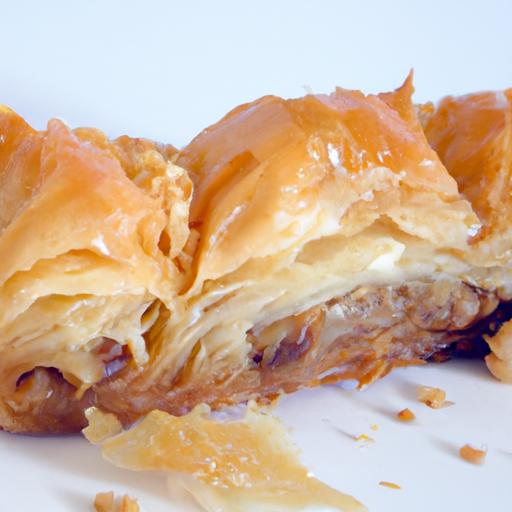

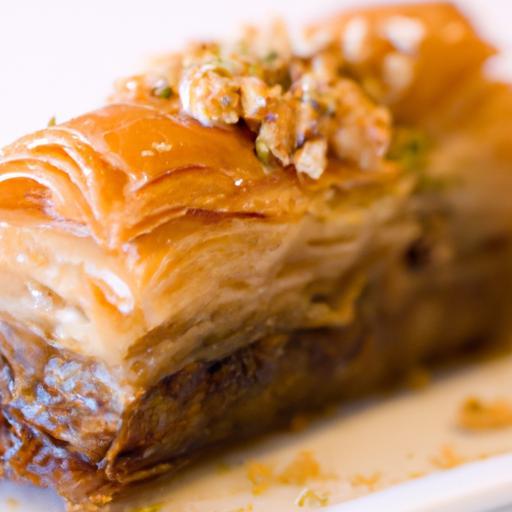
Beneath layers of golden,flaky phyllo dough and a glistening drizzle of honey lies a story as rich and intricate as the pastry itself. Baklava, with its harmonious blend of crisp textures, fragrant nuts, and sweet syrup, is more than just a dessert-it is a symbol of tradition, culture, and celebration that has transcended borders and centuries. in “Baklava Unwrapped: The Sweet Story of Greek Pastry Delight,” we peel back the delicate layers of this beloved treat to explore its ancient origins,regional variations,and the cultural rituals that have baked baklava into the heart of Greek heritage. Join us as we embark on a flavorful journey through history, flavor, and artistry that reveals why baklava continues to captivate palates around the world.
Baklava Unwrapped: The Sweet Story of Greek Pastry Delight
Baklava unwrapped reveals a timeless tale of tradition,passion,and exquisite flavor. This iconic Greek pastry, with its delicate layers and intoxicating syrup, carries centuries of history and culinary expertise. Each bite offers a symphony of textures-from crispy, flaky phyllo dough to the rich crunch of finely chopped nuts-bathed in a honeyed syrup that perfectly balances sweetness and aromatic spice. my first encounter with baklava was on a sun-drenched afternoon in Athens, where I was captivated not only by its flavor but also by the reverence with which every family and bakery crafted this dessert. Today, I invite you to master the art of baklava through carefully chosen ingredients and time-honored techniques that guarantee a show-stopping treat.
Prep and Cook Time
- Planning: 45 minutes
- Cooking: 45 minutes
- Cooling and Syrup Soaking: 3 hours
yield
- Serves 12 generously sized pieces
Difficulty Level
- Intermediate – requires patience and attention to detail
Ingredients
- 1 package (16 oz) phyllo dough, thawed
- 2 cups mixed nuts (traditionally walnuts, pistachios, and almonds), finely chopped
- 1 cup unsalted butter, melted
- 1 tsp ground cinnamon
- ½ tsp ground cloves (optional for spice depth)
- 1 cup water
- 1 cup granulated sugar
- ¾ cup honey (preferably Greek thyme honey for authenticity)
- 1 tbsp lemon juice
- Zest of 1 lemon for aromatic lift
Instructions
- preheat your oven to 350°F (175°C) to ensure even baking.
- Prepare the nut mixture: In a bowl, combine finely chopped mixed nuts, ground cinnamon, and ground cloves. Set aside.
- Grease your baking dish (approximately 9×13 inches) generously with melted butter to ensure the delicate phyllo layers do not stick.
- Layer the phyllo sheets: Place one sheet of phyllo in the pan and brush with melted butter.Repeat this process,layering and brushing each sheet,untill you have stacked 8 sheets.
- Sprinkle a thin,even layer of the nut mixture over the phyllo stack-this is the foundation of rich texture and flavor.
- Continue layering: Add another 6 to 8 sheets of phyllo, buttering each one. Add another thin layer of nuts. Repeat this layering process until all nuts are used, finishing with 8 to 10 sheets of phyllo on top.
- Using a sharp knife, carefully cut the assembled pastry into diamond or square shapes before baking-this allows the syrup to soak in fully.
- Bake the baklava for 40-45 minutes, or until the top is golden and crisp.Rotate the pan halfway through for even baking.
- Meanwhile, prepare the syrup: In a saucepan, combine water, sugar, honey, lemon juice, and lemon zest. Bring to a simmer and cook gently for 10 minutes until slightly thickened.
- As soon as the baklava is out of the oven, pour the hot syrup evenly over the hot pastry. This soaking step is essential for that perfect moist-crisp balance.
- Allow the baklava to cool entirely at room temperature, letting the syrup fully absorb-a minimum of 3 hours or overnight for best results.
Tips for Success
- Use high-quality phyllo dough kept cold and covered tightly with a damp kitchen towel while layering to prevent drying out and tearing.
- For nut substitutions, pistachios offer a vibrant green hue and distinctive flavor, while walnuts add earthy warmth.
- Butter each phyllo sheet generously for that perfect golden crunch, but avoid pooling melted butter at the bottom to prevent greasiness.
- Cut the baklava when warm to achieve clean, beautiful slices; wait until cool for syrup soaking.
- Store leftover baklava in an airtight container at room temperature for up to 5 days-its flavor deepens beautifully over time.
Serving Suggestions
Present your baklava on a silver platter,garnished with extra crushed pistachios and a light dusting of powdered sugar for contrast. To elevate the experience, pair baklava with strong Greek coffee or a fragrant herbal tea like mountain tea. A dollop of lightly whipped cream or a scoop of cinnamon-spiced ice cream adds a creamy counterpoint to the crisp layers, creating a memorable dessert moment that honors this classic sweet.

| Nutrient | Per Serving (1 piece) |
|---|---|
| Calories | 320 |
| Protein | 5g |
| Carbohydrates | 38g |
| Fat | 17g |
For those eager to explore more Greek delicacies, discover our guide to authentic Greek desserts. To learn more about the cultural journey of baklava and its mediterranean roots, visit Britannica – Baklava.
Q&A
Q&A: Baklava Unwrapped – The Sweet Story of Greek Pastry Delight
Q1: What exactly is baklava, and why is it considered a Greek pastry delight?
A1: Baklava is a luscious, layered dessert made from thin sheets of phyllo dough, generously filled with chopped nuts and sweetened with fragrant honey or syrup. While it has roots across the Eastern Mediterranean and the Middle East, Greece has embraced and perfected it, making baklava a beloved symbol of Greek culinary tradition-an edible harmony of crispiness, sweetness, and spice that delights the senses.
Q2: Where did baklava originally come from?
A2: The story of baklava is as layered as the pastry itself. Its origins are debated,with influences traced back to ancient Mesopotamia,the Ottoman Empire,and Byzantine Greece. Each culture contributed techniques and flavors, but Greece’s adaptation, with its specific nut blend and honey syrup, has carved out a distinct and cherished identity for baklava.
Q3: What makes Greek baklava distinct from other versions?
A3: Greek baklava is famously nutty, often featuring a mix of walnuts, almonds, and sometimes pistachios, seasoned with cinnamon or clove.Its syrup is typically honey-based, imparting a floral sweetness that seeps into every flaky layer. Unlike some versions soaked in simple sugar syrup, Greek baklava balances syrup absorption carefully to maintain a perfect crispness.
Q4: How is traditional Greek baklava made?
A4: The process is a labor of love. First, ultra-thin phyllo dough sheets are layered meticulously in a buttered pan. A spiced nut mixture is spread between intervals, creating a mosaic of textures. Once assembled, it’s expertly cut into diamonds or squares before baking to golden perfection. a warm honey-cinnamon syrup is poured over, allowed to soak in, and the magic unfolds.
Q5: Are there any cultural or festive occasions when baklava is especially enjoyed?
A5: Absolutely! Baklava graces many Greek celebrations-from joyous Easter feasts to Christmas tables and weddings. Sharing baklava embodies hospitality and sweetness in life’s milestones. Its richness is seen as an auspicious treat, symbolizing abundance and togetherness.
Q6: Can baklava be made at home, or is it better left to the experts?
A6: While master bakers make it look effortless, baklava can definitely be made at home with patience and care. The key is delicate handling of phyllo dough and the perfect balance of syrup and nuts-not too soggy, not too dry. homemade baklava rewards effort with a deeply personal taste of Greek heritage.
Q7: What should a first-timer expect when tasting authentic Greek baklava?
A7: Prepare for a symphony of textures and flavors: a crisp and flaky exterior giving way to a fragrant,crunchy nut filling drenched in honeyed sweetness. The subtle spices and buttery layers tease the palate without overwhelming it-pure indulgence with every bite.
Q8: How has baklava influenced modern pastry or fusion cuisine?
A8: Baklava’s allure extends beyond tradition, inspiring innovative chefs worldwide. You’ll find baklava-inspired ice creams,cheesecakes,and even savory twists. Its characteristic layering and nutty-sweet profile make it a versatile muse in contemporary dessert artistry.
With each forkful, baklava tells a sweet, ancient story-one of cultural fusion, culinary art, and timeless joy. Next time you savor this golden treasure, remember the rich tapestry of history and love baked into every bite.
To Conclude
As the final flaky layers of baklava melt away on the tongue, we’re reminded that this beloved Greek pastry is much more than a dessert – it’s a tapestry woven from centuries of tradition, cultural exchange, and culinary artistry. From its rich, honeyed sweetness to the delicate crunch of pistachios and walnuts, baklava invites us to savor a slice of history with every bite. So whether enjoyed in a bustling Athens café or crafted lovingly at home,baklava remains a timeless symbol of Greek hospitality and the enduring magic found in simple,well-loved flavors. Unwrapping baklava, then, is not just about indulging in a treat; it’s about tasting a story that continues to sweeten lives across generations.