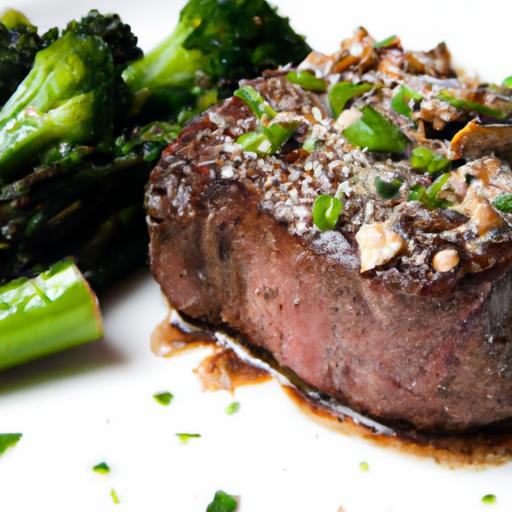

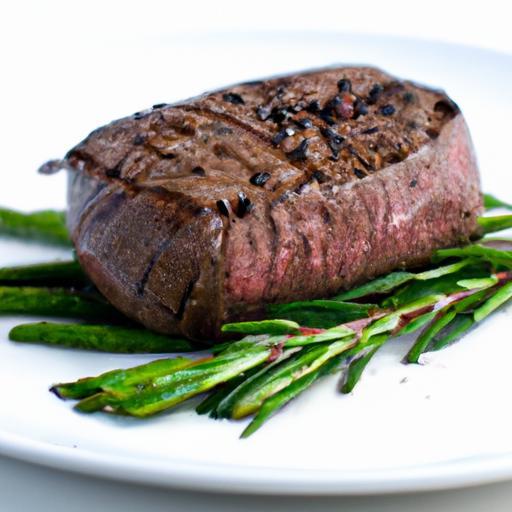
ThereS an art-and a bit of science-behind achieving the perfect medium rare steak, where a sizzling crust gives way to a tender, juicy centre glowing a warm rosy pink. It’s a culinary sweet spot that has captivated food lovers and chefs alike, marrying precise temperature control with the alchemy of searing heat. In this exploration of “The Perfect Medium Rare Steak: science Meets Sizzle,” we’ll unravel the molecular magic that transforms a simple cut of meat into a symphony of flavor and texture,revealing how understanding the science can elevate yoru next steak from good to unforgettable. Whether you’re a seasoned grill master or a curious home cook, prepare to embark on a journey where chemistry meets charisma on your plate.
The Perfect Medium Rare Steak is not just a meal-it’s a celebration of how science and culinary art combine to create a mouthwatering experience. Achieving that luscious pink center with a caramelized crust requires understanding the intrinsic nature of your steak and the chemistry that takes place during cooking. This guide will empower you to choose the best cut, master temperature control, and execute precise techniques that guarantee every bite bursts with succulence and bold flavor.
Prep and Cook Time
- Readiness: 10 minutes
- Cooking: 8-12 minutes (depending on thickness)
- Resting time: 5 minutes
Yield
- Servings: 2 steaks (6-8 oz each)
Difficulty Level
- Medium – perfect for home cooks aiming to elevate their steak game
Ingredients
- 2 ribeye steaks, 1-inch thick, preferably USDA choice or Prime
- Kosher salt, to taste
- Freshly ground black pepper, to taste
- 2 tablespoons high-smoke point oil (grapeseed or avocado oil)
- 2 tablespoons unsalted butter
- 3 garlic cloves, lightly crushed
- Fresh thyme or rosemary sprigs, optional but highly recommended
Instructions
- Bring steaks to room temperature: Remove the steaks from the refrigerator 30 minutes before cooking to ensure even internal temperature and prevent muscle contraction during cooking.
- generously season: Pat steaks dry using paper towels, than liberally sprinkle kosher salt and freshly ground black pepper on both sides-this enhances flavor and forms that coveted crust.
- Preheat your pan: Heat a heavy cast-iron skillet over high heat for 5 minutes until it radiates heat. Add 2 tablespoons of high-smoke point oil, swirling to coat.
- Achieve the perfect sear: Place the steaks gently into the pan, laying them away from you to avoid splatters. Sear without moving for approximately 3-4 minutes, until a deep mahogany crust forms.
- Flip and add aromatics: Turn steaks and immediately add butter, garlic, and herb sprigs. Tilt the pan slightly and spoon melted butter continuously over the steaks (basting) to enhance flavor and juiciness.
- Monitor internal temperature: Use an instant-read thermometer inserted into the thickest part; remove steaks from heat at 130°F for perfect medium rare.
- Rest your steaks: Transfer to a warm plate and tent loosely with foil for 5 minutes. This allows juices to redistribute evenly, ensuring every bite is succulent.
- Serve and enjoy: Slice against the grain for maximum tenderness and presentation.
Chef’s Notes & Tips for Success
- Cut selection matters: Ribeye offers rich marbling for flavor and tenderness, while filet mignon yields buttery softness, and sirloin balances leanness with chew.
- temperature control: consistency is key. Using a meat thermometer avoids guesswork, ensuring your perfect medium rare steak is not overcooked.
- Reverse sear method: For thicker steaks, consider slow roasting at low oven heat (250°F) before searing for enhanced doneness control.
- Resting time: Skipping this crucial step causes juices to pour out on the plate, losing moisture and flavor.
- Make-ahead tip: season steaks up to 24 hours in advance, wrapped and refrigerated, allowing salt to penetrate and tenderize the meat.
Serving Suggestions
Present your perfectly cooked medium rare steak on a warm plate,garnished with fresh thyme sprigs.Complement with a side of roasted garlic mashed potatoes or sautéed asparagus tossed with lemon zest. For a touch of indulgence, drizzle pan juices over the steak before serving. A robust red wine, such as Cabernet Sauvignon, pairs beautifully to elevate the flavors further.
| Nutrient | Per Serving (1 steak) |
|---|---|
| Calories | 550 kcal |
| Protein | 46 g |
| Carbohydrates | 0 g |
| Fat | 38 g |

For further insights on selecting prime cuts and mastering steak techniques, visit our Ultimate Guide to Steak Selection.You can also explore the science behind meat doneness at MasterClass’s Meat Doneness Guide.
Q&A
Q&A: The Perfect Medium Rare Steak – Science Meets Sizzle
Q1: What exactly does “medium rare” mean when it comes to steak?
A1: Medium rare describes a steak cooked to an internal temperature of about 130-135°F (54-57°C). At this stage, the meat is warm throughout with a deep pink to reddish center that’s juicy, tender, and bursting with flavor. It’s the sweet spot where science and taste buds unite-any hotter,and you risk drying out the muscle fibers; any cooler,and it feels too raw.
Q2: Why is medium rare considered the ideal doneness for steak?
A2: science explains it beautifully: at medium rare,the proteins in the muscle fibers have just begun to denature and coagulate,causing the meat to firm up enough to hold its shape but remain tender.The fats have started melting, infusing the steak with luscious juiciness. Meanwhile, the Maillard reaction-the sizzling browning that creates those mouthwatering crusts-has kicked in without overcooking the interior. The result? A harmonious balance of texture, flavor, and succulence.
Q3: How does the Maillard reaction influence the taste of a medium rare steak?
A3: The Maillard reaction is the magical chemical dance between amino acids and sugars that happens when meat hits high heat. It creates complex flavor compounds and that irresistible brown crust contrasting with the rosy interior. This caramelization delivers savory, nutty, and slightly sweet notes that elevate the steak from bland protein to a culinary masterpiece. Achieving this without pushing the steak beyond medium rare is the key to perfection.
Q4: What’s the best method to cook a steak to medium rare?
A4: precision is king. Start with a thick, quality cut at room temperature. Sear the steak on a hot pan or grill to build that flavorful crust (usually 2-3 minutes per side), then finish cooking by lowering the heat or moving to indirect heat. Using a meat thermometer is the scientific approach: pull the steak at about 130°F and let it rest. During resting, residual heat will carry your steak to perfect medium rare while juices redistribute, ensuring every bite is juicy bliss.
Q5: Is it safe to eat steak medium rare?
A5: Yes, when cooked properly, medium rare steak is safe to eat. The searing process kills harmful bacteria on the surface, and as steak is a solid muscle, bacteria typically reside only on the exterior. However, freshness and quality of meat, proper handling, and cooking to the right temperature are essential to keeping your steak safe and scrumptiously medium rare.
Q6: Can the science behind medium rare cooking be applied to other meats?
A6: Absolutely! While steak is the poster child, understanding protein denaturation, fat melting, and the Maillard reaction applies broadly. Different meats have their own ideal temperatures for tenderness and safety-think medium rare lamb or rare tuna-but the principles remain the same: find the right heat and timing to unlock peak flavor and texture without drying out or undercooking.
Q7: Any tips for steak lovers aiming for that perfect medium rare every time?
A7: Embrace the science! Use a reliable instant-read thermometer,let your steak rest after cooking,and don’t rush the searing process. Quality and thickness of the cut matter-a thicker steak gives you more control over doneness. Lastly, let your senses guide you; the sizzle, the aroma, and the crust’s color are your tasty signposts on the quest for medium rare perfection.
With science as your sous-chef and a little practice, mastering the perfect medium rare steak is less a culinary mystery and more a tasty certainty. Sizzle on!
Final Thoughts
As the final sizzle fades and the aroma lingers, we’re reminded that crafting the perfect medium rare steak is both an art and a science-a harmonious dance between heat and time, muscle and marbling. Armed with the insights of chemistry and a touch of culinary intuition, you’re now equipped to transform a simple slab of meat into a tender masterpiece that delights the senses. So next time you fire up the grill or heat your cast iron, remember: it’s not just cooking, it’s a delicious experiment where precision meets passion, and every bite tells a story of science kissed by sizzle.