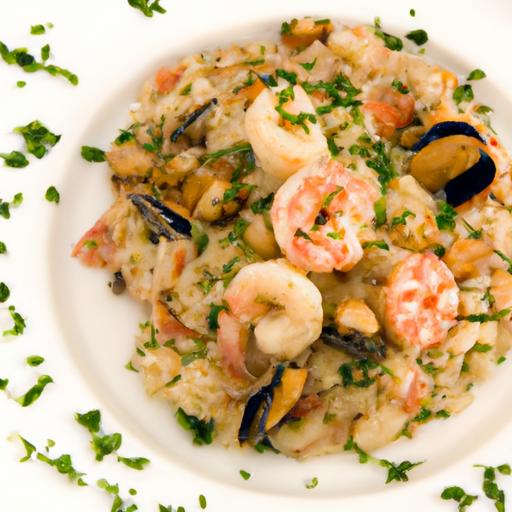

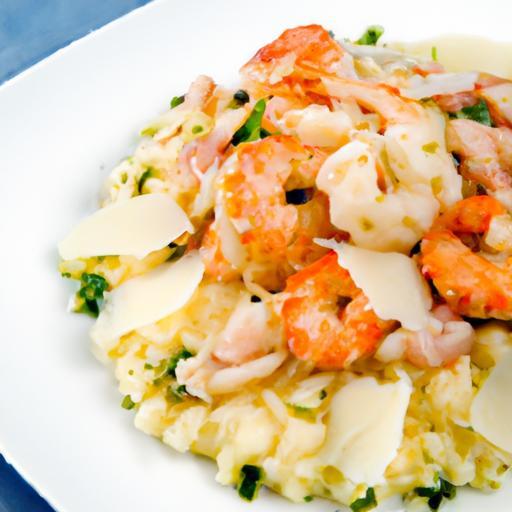
Ther’s something undeniably enchanting about the melding of tender rice and briny treasures from the sea-a harmony that defines the heart and soul of Italian coastal cuisine. Seafood risotto, with its creamy texture and succulent medley of ocean flavors, invites food lovers on a sensory voyage along sun-drenched shores and bustling harbor towns. This dish is more than just a meal; it is indeed a flavorful dive into tradition, technique, and the vibrant spirit of Italy’s maritime heritage. Join us as we explore the rich tapestry behind seafood risotto, uncovering its origins, essential ingredients, and the secrets too crafting this iconic Italian delicacy in your own kitchen.
Seafood risotto: A Flavorful Dive into Italian Coastal Cuisine
Seafood risotto captures the essence of Italy’s sun-drenched coasts, where the bounty of the sea meets the timeless comfort of creamy Arborio rice. This dish, a harmonious blend of delicate shellfish and rich, velvety textures, invites you to explore the heart of Italian culinary tradition-and savor the fresh, vibrant flavors that only the freshest catch can bring to your table. Whether you’re stirring your first pot or perfecting a cherished family recipe,this guide will inspire your journey into authentic Italian seafood risotto.
Prep and Cook Time
- readiness: 15 minutes
- Cooking: 35 minutes
- Total Time: 50 minutes
Yield
Serves 4 generous portions
Difficulty Level
Medium – requires attentive stirring and timing, but rewards with exquisite results
Ingredients
- 1 ½ cups Arborio rice
- 4 cups low-sodium seafood stock, kept warm
- 1 cup dry white wine
- 12 large shrimp, peeled and deveined
- 8 mussels, cleaned and debearded
- 8 clams, scrubbed
- 200g calamari rings
- 1 small onion, finely chopped
- 2 garlic cloves, minced
- 3 tbsp extra virgin olive oil
- 3 tbsp unsalted butter
- ½ cup freshly grated Parmigiano-Reggiano
- Fresh parsley, finely chopped for garnish
- Salt and freshly cracked black pepper to taste
- 1 lemon, cut into wedges for serving
Instructions
- Prepare the seafood stock: In a pot, gently heat the seafood stock and keep it simmering throughout the process. Warm stock is essential for even absorption and a creamy risotto texture.
- Sauté aromatics: In a large skillet or deep pan, heat 2 tablespoons of olive oil and 1 tablespoon of butter over medium heat. Add the finely chopped onion and sauté until translucent, about 5 minutes, stirring often to avoid browning.
- Toast the rice: Add the Arborio rice and stir continuously for 2-3 minutes, until the grains look glossy and slightly translucent on the edges-this seals in the starch needed for creaminess.
- Deglaze with wine: Pour in the dry white wine and stir until the liquid is almost fully absorbed, infusing the rice with a delicate acidity that balances the seafood.
- Begin adding stock: Ladle in one cup of warm seafood stock, stirring gently but consistently. Allow the liquid to be mostly absorbed before adding the next ladle. Repeat this process for about 18 minutes,maintaining a gentle simmer and stirring frequently to encourage starch release.
- Cook seafood: While the risotto cooks, heat the remaining olive oil and butter in a separate pan on medium-high heat.Quickly sauté the shrimp, calamari, clams, and mussels until just cooked-shrimp pink and firm, mussels and clams opened. Remove from heat and set aside.
- Combine seafood and finish risotto: When the rice is al dente and creamy yet firm to the bite (after about 20 minutes of stock addition), gently fold in the cooked seafood along with its juices. Adjust seasoning with salt and pepper.
- Enrich and rest: Stir in the Parmigiano-Reggiano and the remaining tablespoon of butter for a glossy finish. Cover the pan briefly for 2-3 minutes to allow flavors to meld perfectly.
- Serve immediately: Spoon onto warmed plates, sprinkle with fresh parsley, and present lemon wedges on the side to brighten each bite.
Chef’s Notes: Tips for Success
- Choosing seafood: Opt for the freshest shellfish available-local markets or trusted fishmongers are ideal. Live mussels and clams result in the best flavor and safety.
- Stock alternatives: If seafood stock is inaccessible, use a high-quality fish or vegetable stock, but keep the seasoning delicate to not overpower the seafood.
- Risotto texture: The hallmark of classic risotto is its creamy texture with individual yet tender grains.Stirring consistently awakens the rice’s starch.
- Make-ahead note: Prepare the seafood separately in advance but serve the risotto fresh to best enjoy its textures and flavors.
- For a richer taste: Finish with a drizzle of good-quality extra virgin olive oil instead of additional butter for an elegant twist on creaminess.
Serving Suggestions
Seafood risotto shines as the centerpiece of a leisurely coastal meal. Accompany with a crisp green salad dotted with olives and cherry tomatoes, and fresh crusty bread to soak up every drop of the luscious sauce. Garnish with lemon wedges for optional brightness and a sprinkle of chopped fresh herbs like basil or chives for color. for an authentic touch,serve in warmed shallow bowls to maintain temperature and enhance the dining experience.
| Nutritional Info (Per Serving) | Calories | Protein | Carbs | Fat |
|---|---|---|---|---|
| Seafood Risotto | 480 kcal | 36 g | 55 g | 12 g |

For more Italian culinary inspiration, explore our detailed Classic Italian Pasta Recipes.To dive deeper into the history of Italian coastal cooking, the Encyclopedia Britannica’s entry on Italian cuisine offers excellent insights.
Q&A
Q&A: Seafood Risotto – A flavorful dive into Italian Coastal Cuisine
Q1: What makes seafood risotto a quintessential dish in Italian coastal cuisine?
A1: Seafood risotto perfectly captures the essence of Italy’s coastal regions by combining the rich, briny flavors of the sea with the creamy, comforting texture of risotto. It’s a dish that embodies the Italian reverence for fresh, local ingredients and the art of slow, loving preparation. Each bite feels like a culinary voyage along sun-drenched shores, where the bounty of the ocean meets the soul of conventional Italian cooking.
Q2: How does risotto differ when prepared with seafood versus other common ingredients?
A2: While risotto is versatile, introducing seafood transforms the dish into something evocative and vibrant. Unlike mushroom or vegetable risottos that rely heavily on earthy or vegetal notes, seafood risotto embraces the subtle salinity and delicate sweetness of shrimp, clams, mussels, or squid. The broth frequently enough incorporates fish stock or shellfish essence, enriching the grain with a layered depth that transports you straight to the Mediterranean coast.
Q3: What type of rice is ideal for cooking seafood risotto, and why?
A3: arborio, Carnaroli, or Vialone Nano rice varieties are the golden trio for risotto, prized for their high starch content and ability to absorb liquids without losing their firm bite. This unique texture is crucial in seafood risotto, where the rice must cradle the vibrant seafood flavors while maintaining a creamy yet slightly al dente consistency-a perfect harmony between tenderness and resilience.
Q4: Can you share tips for selecting fresh seafood to elevate the risotto’s flavor?
A4: Freshness is the heartbeat of great seafood risotto. Look for firm, translucent fish fillets; lively, odorless shellfish; and shrimp with a sweet, briny aroma. Avoid anything overly fishy-smelling or slimy. Using a mix of shellfish and firm-fleshed fish adds textural variety and complexity. Don’t be shy about visiting your local fishmonger-seasonal catches can inspire unique twists on this classic dish.
Q5: How do italian chefs typically build layers of flavor in seafood risotto?
A5: The magic happens in layering: gently sautéed onions and garlic create a fragrant base, followed by deglazing with crisp white wine that adds acidity and brightness. The seafood stock, often simmered with fish bones or shells, infuses the rice with umami depth. The seafood is delicately cooked to avoid toughness, and fresh herbs, a squeeze of lemon, or a finishing touch of butter and Parmesan elevate the dish to silky, harmonious perfection.
Q6: what cultural or regional influences shape the variations of seafood risotto across Italy?
A6: Coastal regions like Liguria, Veneto, and sicily each bring their own flair. Liguria might emphasize aromatic herbs and lighter seafood, Veneto favors rich seafood stock and robust shellfish, and Sicily often includes sun-kissed tomatoes and chili for a spirited kick. These nuances reflect local environments and culinary traditions, turning seafood risotto into a tapestry of Italy’s diverse maritime heritage.
Q7: Is seafood risotto a difficult dish for home cooks to master?
A7: Seafood risotto may seem intimidating, but with patience and attention to detail, home cooks can master it beautifully. The key lies in slow, steady stirring to coax out the rice’s starch and careful timing when adding seafood to avoid overcooking. Embracing the process is part of the fun-risotto rewards those who treat cooking as both an art and a dance between flavors, textures, and timing.
Q8: What wine pairing best complements a seafood risotto?
A8: crisp, mineral-driven white wines are ideal companions. Think a chilled Vermentino or an Italian Pinot Grigio-wines that highlight the oceanic freshness while cleansing the palate. The acidity and light body balance the richness of the risotto and the briny nuances of the seafood, enhancing the entire dining experience.
Q9: How can one creatively adapt seafood risotto while honoring its Italian roots?
A9: Creativity can flourish by incorporating local seafood varieties or seasonal ingredients while preserving the core principles of balance and freshness. Adding a drizzle of infused olive oil, experimenting with saffron or toasted fennel seeds, or topping with a sprinkle of toasted breadcrumbs can add unexpected dimensions. The heart of Italian cooking lies in respecting tradition while inviting personal expression-seafood risotto is a canvas for both.
Wrapping Up
As the final spoonful of seafood risotto lingers on the palate, it’s clear that this dish is more than just a meal-it’s a celebration of Italy’s coastal bounty and culinary heritage. Each creamy grain of rice,infused with the briny essence of the sea and enriched by aromatic herbs and spices,tells a story of tradition,passion,and the simple joy of gathering around the table. Whether you’re a seasoned cook or a curious food lover, diving into seafood risotto offers a flavorful voyage that connects you to the heart of Italian coastal cuisine. So next time you crave a dish that’s both comforting and refined, let seafood risotto be your guide to savoring the vibrant tastes of the Mediterranean shores.