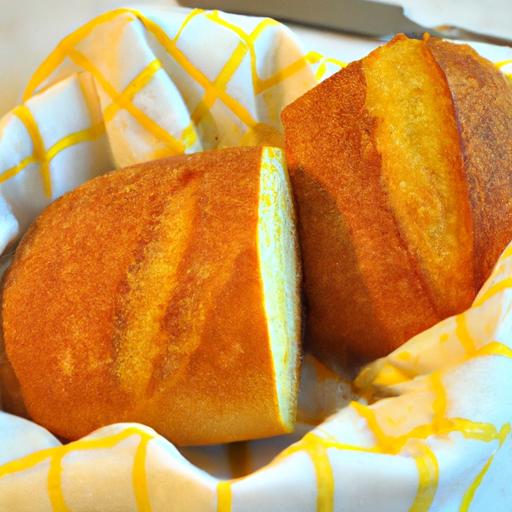

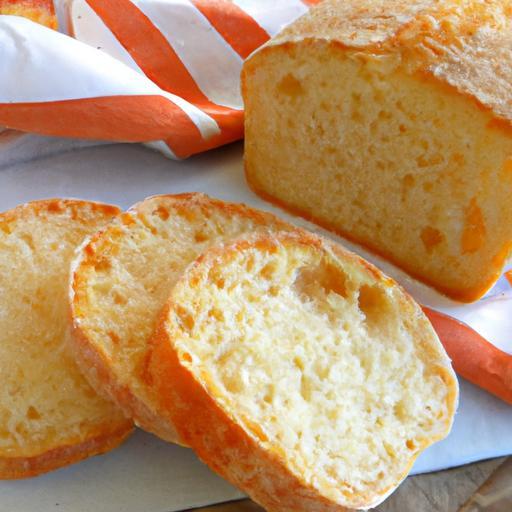
There’s something undeniably enchanting about the golden crust of freshly baked bread-the way it crackles as you slice through it, releasing an intoxicating aroma that fills the kitchen with warmth and comfort. Among the many varieties waiting to be discovered, golden semolina bread stands out as a crispy, flavorful homemade delight that marries rustic charm with a unique texture and taste. Crafted from coarsely ground semolina flour, this bread boasts a sun-kissed hue and a satisfying crunch that sets it apart from ordinary loaves. Whether you’re a seasoned baker or an adventurous kitchen novice, exploring the art of golden semolina bread opens the door to a sensory experience that’s as rewarding to make as it is to eat. Join us as we delve into the origins, techniques, and secrets behind this captivating bread that promises to elevate your baking repertoire and tantalize your taste buds.
Golden Semolina Bread: A Crispy,Flavorful Homemade Delight
Golden Semolina Bread invites you into a world of rustic charm and irresistible crunch,where tradition meets the comfort of home baking. Originating from mediterranean kitchens, this bread’s signature crisp crust and tender crumb have captivated food lovers for generations. My own journey with this recipe began on an autumn afternoon, the warm aroma of toasted semolina filling my kitchen, a sensory reminder of treasured family gatherings. Every bite® offers a harmonious blend of nutty, slightly sweet flavour and a texture that’s both satisfyingly chewy and light.
Prep and Cook Time
- Readiness: 20 minutes
- Rising Time: 90 minutes
- Baking Time: 30-35 minutes
- Total Time: Approximately 2 hours 25 minutes
Yield
1 loaf (serves 8)
difficulty Level
medium – Perfect for bakers pleasant with yeast dough but approachable for adventurous beginners
Ingredients
- 2 cups fine semolina flour (for the authentic golden crust, prefer durum wheat semolina)
- 1 cup bread flour (provides structure and elasticity)
- 1 ½ teaspoons active dry yeast
- 1 ¼ cups warm water (about 105°F/40°C)
- 1 teaspoon fine sea salt
- 2 tablespoons extra virgin olive oil (plus extra for brushing)
- 1 tablespoon honey (to feed the yeast and enhance flavor)
- Additional semolina for dusting the dough and baking surface
Instructions
- Activate the yeast: In a small bowl, stir together the warm water, honey, and yeast. Let sit for 5-7 minutes until foamy. This indicates your yeast is alive and ready.
- Combine dry ingredients: In a large mixing bowl,whisk together the fine semolina flour,bread flour,and sea salt. Ensuring salt doesn’t touch the yeast prematurely is key for even rising.
- Mix dough: Make a well in the flour mixture and pour in the foamy yeast mixture and olive oil. Stir with a wooden spoon until a shaggy dough forms.
- Knead the dough: Turn the dough onto a clean, lightly floured surface.Knead vigorously for 10-12 minutes, incorporating extra semolina as needed to keep it from sticking but avoiding excess.This step is essential for developing the gluten network, resulting in that ideal chewy texture characteristic of this golden semolina bread.
- First rise: Lightly oil a clean bowl and place the dough inside, turning once to coat. Cover with a damp cloth or plastic wrap and let it rise in a warm spot for 1 to 1 ½ hours, or until doubled in size.
- Shape the loaf: After rising, gently deflate the dough and shape it into a round boule. Dust your baking peel or tray generously with semolina – this not onyl prevents sticking but also forms part of the signature crispy crust.
- Second rise: Transfer the shaped dough to the prepared surface, cover loosely, and allow to rise for an additional 30 minutes.
- Prepare for baking: Preheat your oven to 450°F (230°C). Place a baking stone or inverted heavy tray inside to heat. Just before baking,brush the loaf lightly with olive oil and dust with more semolina for added texture.
- Bake: Carefully transfer the loaf onto the hot stone or tray. Bake for 30-35 minutes, rotating halfway through for even browning.The crust will develop a deep golden hue and a satisfying crackle when tapped.
- Cool: Transfer the bread to a wire rack to cool wholly before slicing. Cooling ensures the crumb sets beautifully and prevents gumminess.
Tips for Success with Your Golden Semolina Bread
- Choosing the right semolina: Use durum wheat semolina for a distinctive golden crust and nutty flavor.Coarse semolina can be used for dusting, but a finer grind is best for the dough.
- Master the kneading: The dough should be smooth and elastic yet slightly tacky. Resist adding too much flour; instead, use semolina to avoid a dense loaf.
- Enhancing crust crunch: Brushing olive oil before baking and semolina dusting create that signature crispy crust. For an extra crunch, add a light steam in the first 10 minutes by placing a pan filled with hot water in the oven base.
- Flavor depth: Incorporate a tablespoon of honey not only to activate yeast but to lend subtle sweetness balancing the nutty notes of semolina.
- Make-ahead tip: After the first rise, refrigerate the dough overnight to develop flavor complexity; allow 1 hour at room temperature before shaping and the second rise.
Serving Suggestions
This golden semolina bread shines as an accompaniment to savory dishes like rich tomato basil soup or a creamy hummus dip. Slice it thick and toast to elevate breakfast, spreading with fresh ricotta and a drizzle of local honey for a sweet contrast. Garnish with fresh herbs like rosemary or thyme atop a warm loaf to enhance its Mediterranean roots and invite you to the table. Leftover bread makes a fantastic base for bruschetta or panzanella salad, ensuring nothing goes to waste.

| Nutritional Info (per slice) | Amount |
|---|---|
| Calories | 150 kcal |
| protein | 5 g |
| Carbohydrates | 28 g |
| Fat | 3.5 g |
For further insights into flourishing bread-making skills,consult the King Arthur Baking Science Guide. It’s an invaluable resource to deepen your understanding of dough chemistry and rise to new culinary heights with golden semolina bread.
Q&A
Q&A: Golden Semolina Bread – A Crispy, Flavorful Homemade Delight
Q1: What makes Golden Semolina Bread different from regular bread?
A1: golden Semolina Bread stands out because of its vibrant golden hue and irresistibly crispy crust. Unlike traditional bread made with all-purpose or bread flour, this loaf incorporates semolina flour, which lends a unique texture and a subtly nutty flavor that elevates every bite.Its slightly coarse crumb and golden crust make it both visually striking and delightfully flavorful.
Q2: Why use semolina for bread baking?
A2: Semolina,made from durum wheat,is a powerhouse ingredient in baking. Its high protein content helps create a firm, chewy structure, while the natural yellowish tint gives the bread its signature golden color. Semolina also imparts a mild sweetness and a wonderful aromatic quality that you won’t find in breads made solely with regular flour.
Q3: Is Golden Semolina Bread challenging to make at home?
A3: Not at all! While it might sound fancy, Golden Semolina Bread uses simple ingredients and straightforward techniques. The key lies in balancing semolina with all-purpose flour to achieve the perfect dough consistency, and in baking at the right temperature to develop that coveted crispy crust. With just a bit of patience and love, you’ll be pulling fresh, fragrant loaves from your oven in no time.
Q4: What are some ideal pairings for Golden semolina Bread?
A4: This bread’s crispy crust and hearty crumb make it incredibly versatile. Enjoy it simply with butter and honey, use it to soak up rich stews, or craft an elevated sandwich with fresh mozzarella, ripe tomatoes, and basil.It’s also brilliant alongside Mediterranean dips like hummus and baba ghanoush, where its texture enhances every mouthful.
Q5: Can you freeze Golden Semolina Bread?
A5: Yes! To preserve freshness, slice the bread once it has cooled completely, then store the slices in an airtight bag in the freezer. When you’re ready to enjoy,toast or gently reheat the slices to revive their original crispness. This way, your homemade delight stays flavorful and ready for any craving.
Q6: Any tips for getting that perfect crispy crust?
A6: Absolutely. To achieve the golden, crispy exterior, bake your bread on a preheated baking stone or heavy-duty sheet and introduce steam during the first few minutes of baking-this helps create a crackly crust. Also, avoid covering your bread while it cools; letting it breathe on a wire rack maintains that delightful crunch.
Q7: Is Golden Semolina Bread suitable for sandwiches?
A7: Perfectly suited! Its firm crust and sturdy crumb provide excellent support for a variety of fillings without becoming soggy. Whether you’re stacking layers of cold cuts, cheeses, or grilled veggies, this bread holds everything together with just the right chew.
With its golden glow and crisp personality, Golden Semolina Bread is more than just bread-it’s a daily bake that invites warmth and flavor to your table. Ready to get baking? Your homemade kitchen masterpiece awaits!
To Conclude
Bringing the warm, golden hues of semolina to your kitchen not only elevates your baking but also invites a crispy, flavorful tradition to your table. This Golden Semolina Bread, with its delightful crunch and rich aroma, transforms simple ingredients into a homemade masterpiece that’s as comforting as it is impressive. Whether enjoyed fresh from the oven or as a sturdy companion to your favorite spreads and soups, this bread promises a taste experience that’s both timeless and uniquely satisfying. So next time you crave something special, remember: sometimes the most extraordinary delights begin with humble semolina, a touch of patience, and a love for baking well.