
Beneath its creamy surface lies a story as rich and layered as the flavors in every hearty spoonful. Clam chowder, an enduring classic of coastal cuisine, has traveled centuries and shores to become a beloved comfort food worldwide. From bustling New England harbors to the foggy docks of San Francisco, this stew tells a tale of tradition, innovation, and regional pride. In this article, we’ll uncover the fascinating history behind clam chowder, explore the diverse flavors that make each version unique, and share time-honored recipes that invite you to bring a taste of the sea right into your own kitchen. Get ready to dive deep into the heart of clam chowder-where every bowl is a story waiting to be savored.
Origins of Clam Chowder and Its Cultural Significance
Clam chowder uncovered reveals more than just a hearty dish-it uncovers a rich tapestry of maritime history and coastal traditions. This iconic soup, beloved across New England and beyond, is a culinary emblem that binds communities and generations thru its soulful, briny flavor profiles. From humble fishermen’s stews simmered over open fires to elegant interpretations gracing restaurant menus,clam chowder conveys the essence of coastal life and the bounty of the sea.
The earliest known clam chowder recipes date back to the early 18th century, influenced by Native American seafood stews combined with European settlers’ creamy soups. The dish became a staple for Northeast fishermen who relied on readily available local ingredients such as clams, potatoes, and salted pork-ingredients that remain central to most customary versions today.
Exploring Regional Variations and Unique Flavor Profiles
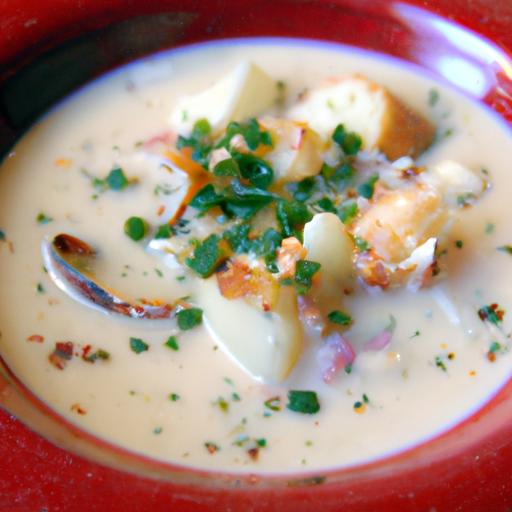
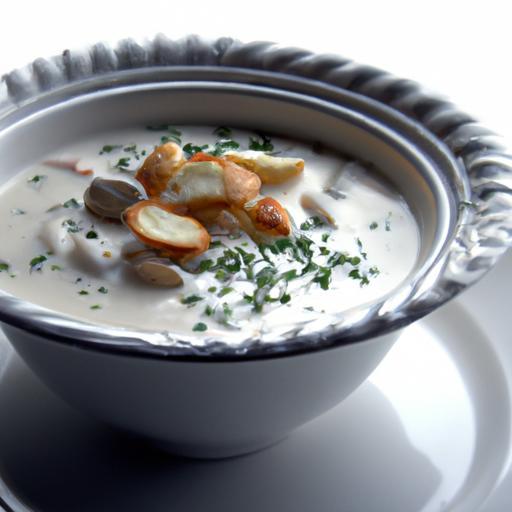
Understanding clam chowder uncovered means appreciating its manny regional adaptations. The two most famous versions are New England Clam Chowder, characterized by a rich, creamy base, and Manhattan Clam Chowder, distinguished by its vibrant tomato broth. Each style offers a unique flavor journey: new England’s buttery creaminess envelops tender clams and soft potatoes, while Manhattan adds a shining acidity and heartiness with tomatoes and aromatic herbs.
Beyond these, lesser-known regional twists include Rhode Island’s clear broth clam chowder with clam juice and broth instead of cream or tomatoes, and the spicy Cajun clam chowder of Louisiana that introduces bold, smoky seasonings.These variations celebrate local palates and available ingredients, making clam chowder uncovered a versatile dish for any seafood lover’s repertoire.
Prep and Cook Time
- Preparation: 15 minutes
- Cook Time: 35 minutes
- Total Time: 50 minutes
Yield
Serves 6 generous bowls
Difficulty Level
Medium – approachable for enthusiastic home cooks with basic stovetop skills
Essential Ingredients and techniques for the Perfect Chowder
- 4 cups fresh clams (chopped with juice reserved)
- 6 slices thick-cut bacon,chopped
- 1 cup yellow onion,finely diced
- 2 stalks celery,diced
- 2 cloves garlic,minced
- 3 cups peeled and diced Yukon Gold potatoes
- 3 cups whole milk
- 1 cup heavy cream
- 2 tbsp all-purpose flour
- 2 tbsp unsalted butter
- Fresh thyme,1 tsp,chopped
- Salt and freshly ground black pepper,to taste
- Fresh parsley or chives for garnish
Step-by-Step Instructions
- Render the bacon: In a large pot,cook chopped bacon over medium heat until crisp and browned,about 5-7 minutes. Remove bacon with a slotted spoon,leaving fat in the pot.
- Sauté aromatics: Add butter to the bacon fat, then stir in onions, celery, and garlic. Sauté until translucent and fragrant, about 4-5 minutes, stirring often to prevent burning.
- Create the roux: Sprinkle flour over the softened vegetables and stir for 2 minutes. This step thickens the chowder without lumps. Gradually whisk in the milk and clam juice reserved from fresh clams.
- Simmer potatoes: Add diced potatoes and thyme, bring mixture to a gentle simmer, and cook until potatoes are tender, about 15 minutes. Stir occasionally to avoid sticking.
- Add clams and cream: Stir in chopped clams, bacon, and heavy cream. Heat through on low-do not boil once cream is added to maintain silky texture.
- Season and finish: Taste and adjust seasoning with salt and pepper. Garnish with fresh parsley or chives before serving to brighten the dish visually and taste-wise.
Chef’s notes & Tips for Success
- Using canned clams: Drain clams but keep the juice. Add the juice alongside milk to enrich the chowder’s briny base.
- Potato tips: Yukon Gold potatoes hold their shape well, preventing a mushy broth. Adjust cooking time based on potato size.
- Thickening alternatives: For gluten-free versions, substitute flour with cornstarch slurry applied gradually to avoid clumping.
- Make-ahead instructions: clam chowder uncovered tastes even better the next day as flavors meld. Reheat gently on low heat, adding a splash of milk if it thickens too much.
- Flavor boosts: A splash of crisp white wine added before potatoes simmer can deepen the savory notes beautifully.
Serving Suggestions
Serve this velvety clam chowder in rustic bowls paired with thick slices of toasted sourdough or classic oyster crackers.A sprinkle of fresh herbs adds a lively pop of color and freshness on top. For an elevated presentation, serve with a wedge of lemon and a side of lightly dressed mixed greens or a smoky grilled corn salad. A chilled glass of Sauvignon Blanc or a smooth Pale Ale complements the chowder’s rich flavors perfectly.

| Nutritional Info (Per Serving) | Calories | Protein | Carbs | Fat |
|---|---|---|---|---|
| New England Style Clam Chowder | 320 kcal | 14 g | 20 g | 18 g |
For those eager to dive deeper into seafood cooking mastery, check out our Comprehensive Seafood Cooking Guide. To understand the historical context, visit the History Channel’s chowder overview for fascinating insights on chowder’s evolution across America.
Q&A
Q&A: Clam Chowder Uncovered – History, Flavors, and Recipes
Q1: What is clam chowder, and why is it so beloved?
A1: Clam chowder is a hearty, creamy soup brimming with tender clams, potatoes, onions, and often celery. Its comforting warmth and rich flavors make it a staple in coastal American cuisine, especially celebrated for evoking memories of seaside towns and family gatherings. It’s beloved because it combines simplicity with depth – a bowl of clam chowder is like a savory hug from the ocean.
Q2: Where and when did clam chowder originate?
A2: Clam chowder traces its roots back to the early 18th century in New England, where fishermen created a simple, nourishing soup from local clams and pantry staples. The dish evolved through Native American influences and colonial adaptations, becoming a symbol of regional identity. Steamers and salted pork were early additions, turning it into the creamy delight we recognize today.
Q3: What are the main types of clam chowder?
A3: The two most famous styles are New England clam chowder-creamy, white, and thick-and Manhattan clam chowder, which swaps cream for a tangy tomato base. There’s also rhode Island clam chowder (clear broth), and less common varieties inspired by other locales. Each version highlights unique regional tastes while honoring the clam’s briny essence.
Q4: What ingredients give clam chowder its signature flavor?
A4: fresh clams provide the ocean’s sweetness,while smoky bacon or salt pork imparts depth and savoriness. Cream or milk offers a lush mouthfeel in creamy variants, balanced by the earthiness of potatoes and the aromatic bite of onions and celery. Herbs like thyme or bay leaves add subtle fragrance, and a dash of black pepper or hot sauce can bring just the right zing.
Q5: How can I make a classic New england clam chowder at home?
A5: Start by sautéing diced bacon until crisp, then cook onions and celery in the rendered fat. Add diced potatoes, clam juice or broth, and simmer until tender. Stir in fresh clams and cream, warming gently to meld flavors without curdling. Season thoughtfully and finish with fresh herbs. Serve with oyster crackers or crusty bread for the perfect finishing touch.
Q6: Are there any creative twists on clam chowder worth trying?
A6: Absolutely! Some chefs add corn for sweetness, while others experiment with smoked clams or a splash of sherry for complexity. Vegan versions use coconut milk and seaweed to mimic the ocean flavor. You might also find clam chowder served in bread bowls, or blended into a velvety bisque. The versatility allows clam chowder to be both tradition and innovation on a spoon.
Q7: What cultural or seasonal significance does clam chowder hold?
A7: Clam chowder is a winter warmer and a festivity of the harvest from the sea, frequently enough served during clam festivals and holidays in coastal communities. It represents communal cooking and sharing, a dish born of humble origins that brought together families and fishermen alike. Its aroma carries the spirit of the shore, no matter where you enjoy it.
Q8: What should I know when selecting clams for chowder?
A8: Freshness is key-look for live clams that are tightly closed or close when tapped. Littleneck clams are a common choice for their tender meat and size. Clean them well to remove grit, and avoid clams with off smells or cracked shells. Quality clams guarantee that unmistakable briny sweetness that makes clam chowder so irresistible.
Whether your a chowder novice or a seasoned spoon-wielder, understanding clam chowder’s story and savoring its varied flavors makes every bowl a delicious voyage through history and taste.
Closing Remarks
From its humble beginnings as a fisherman’s staple to its place as a beloved comfort food across the globe, clam chowder is more than just a creamy soup-it’s a story steeped in history, culture, and flavor. Whether you prefer the rich,hearty depths of New England clam chowder or the tomato-kissed zest of Manhattan’s version,each bowl invites you to savor a piece of coastal tradition. Armed with these recipes and insights, you’re now ready to bring a taste of the ocean’s bounty to your own kitchen. So grab a clam,stir the pot,and let this timeless chowder continue to warm hearts and satisfy palates for generations to come.