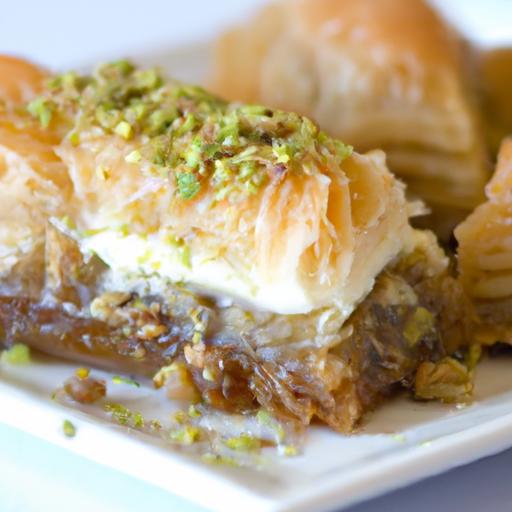

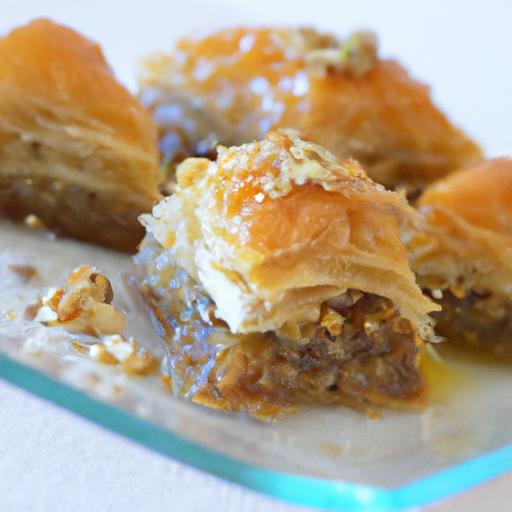
There’s a timeless magic woven into the layers of flaky pastry, fragrant nuts, and golden honey-drizzle that define the beloved Greek baklava. This quintessential dessert, cherished from bustling city bakeries to family kitchens tucked away on sun-drenched islands, carries centuries of history folded into its delicate sheets.”Unlocking Sweet Secrets: The Classic Greek Baklava recipe” invites you on a culinary journey to discover the art and tradition behind this iconic treat-revealing not just how to create its irresistible flavors, but also the stories and rituals that make each bite a celebration of Greek heritage. Whether you’re a curious novice or a seasoned home chef, prepare to unlock the sweet secrets that turn simple ingredients into an unforgettable symphony of taste.
unlocking sweet secrets begins with understanding the heritage and soul behind Greek baklava-a timeless dessert woven into the rich tapestry of Mediterranean culture. This golden pastry, with its fragrant layers of phyllo dough, toasted nuts, and luscious honey syrup, tells a story of tradition, family gatherings, and festive celebrations spanning centuries. Drawing from my travels through Greece and countless kitchen experiments, I’ve discovered that mastering baklava unlocks not just flavors but memories, passion, and artistry.
Prep and Cook Time
- Readiness: 45 minutes
- Cooking: 50 minutes
- Cooling & Soaking: 4 hours (or overnight)
Yield
Serves 12 generous portions
Difficulty Level
Intermediate – patience and precision rewarded
Ingredients
- 1 package (16 oz) phyllo dough, thawed according to package instructions
- 2 cups walnuts, finely chopped
- 1 cup pistachios, finely chopped
- 1 cup unsalted butter, melted and slightly cooled
- 1 teaspoon ground cinnamon
- 1 cup granulated sugar
- 1 cup water
- 1/2 cup honey (preferably Greek thyme honey for authentic aroma)
- 1 tablespoon lemon juice
- 1 teaspoon vanilla extract
Instructions
- Prepare the nut mixture: In a medium bowl, combine chopped walnuts, pistachios, and cinnamon. Set aside.
- Brush your baking dish: Using a pastry brush, coat the bottom and sides of a 9×13 inch pan with melted butter.
- Layer the phyllo dough: Carefully place one sheet of phyllo into the pan. Brush lightly with butter. Repeat this process for 8 sheets, brushing butter between each layer. Keep the remaining phyllo covered with a damp towel to prevent drying.
- Add the nut filling: Evenly sprinkle about one-third of the nut mixture over the layered phyllo.
- Continue layering: Add 4 more sheets of phyllo, each brushed with butter. Repeat nut layers and phyllo layers two more times,ending with about 8 buttery sheets on top.
- Cut before baking: Using a sharp knife, score the baklava into diamond or square shapes all the way through to the bottom. This ensures easy slicing post-baking.
- Bake: Place the pan in a preheated oven at 350°F (175°C) and bake for 45-50 minutes, or until the pastry turns a deep golden brown and crisps perfectly.
- Prepare the honey syrup: While baking, combine sugar, water, lemon juice, and vanilla in a saucepan. Bring to a boil,then simmer for about 10 minutes until slightly thickened. Remove from heat and stir in the honey.
- Pour syrup over hot baklava: As soon as you take the baklava out of the oven,slowly pour the warm syrup evenly across the top. The hot pastry soaking in syrup creates that iconic sticky, sweet finish.
- Let it rest: Allow baklava to cool completely and absorb the syrup-ideally 4 hours or overnight at room temperature-for optimal flavor and texture.
Tips for Success
- Keep phyllo dough moist: Always cover unused sheets with a damp cloth to prevent drying and tearing.
- Butter matters: Use high-quality unsalted butter for rich flavor and perfect crispness.
- Nut variations: Swap walnuts and pistachios for almonds or pecans to personalize the filling.
- Honey syrup balance: Adjust lemon juice to cut through sweetness but avoid overpowering the honey’s floral notes.
- Make-ahead: Baklava tastes even better the next day as flavors meld; store in an airtight container at room temperature.
Serving Suggestions
Present your baklava on a rustic wooden board or a gleaming porcelain plate, with a light dusting of finely chopped pistachios for color contrast and texture. For an added sensory delight, pair a slice with a small cup of strong Greek coffee or a light dessert wine. If serving at a gathering, offer plates with a dollop of lightly whipped cream or a scoop of vanilla ice cream to elevate the experience.
| Nutritional Info (per serving) | Calories | Protein | Carbs | Fat |
|---|---|---|---|---|
| baklava Slice | 320 | 5g | 35g | 18g |
Explore more traditional Greek desserts to continue your culinary journey. For authentic honey sourcing, visit National Honey board.

Mastering the art of Layering Phyllo Dough to Achieve Perfect Flakiness
Each paper-thin sheet of phyllo is a delicate canvas that, when brushed lovingly with butter and layered with care, creates the signature crispness baklava is known for. Patience here rewards you with the satisfying contrast between the shattering crunch of phyllo and the soft,spiced nut filling beneath. Lightly brushing the dough allows the layers to separate during baking, ensuring perfect flakiness rather than a dense pastry.
Crafting the Ideal Honey Syrup for a Balanced Sweet Finish
The syrup is where science and art meet-the balance of sweetness, acidity, and floral aroma makes all the difference. Using fresh lemon juice cuts through the rich buttery nuts and pastry, while the honey adds depth and a natural sweetness that simple sugar syrup cannot match. Applying syrup immediately after baking allows the hot layers to absorb it deeply, sealing each bite with luscious, sticky brilliance.
Q&A
Q&A: Unlocking Sweet Secrets – The Classic Greek Baklava Recipe
Q1: What makes Greek baklava so special compared to other versions?
A1: Greek baklava stands out with its delicate balance of flaky phyllo layers, a fragrant nut filling, and a honey-syrup glaze infused with cinnamon and lemon zest. Unlike some other regional variations that use heavier syrups or different nuts, Greek baklava is all about harmony-light, crisp, aromatic, and sweet without overwhelming the palate.
Q2: What are the essential ingredients for authentic Greek baklava?
A2: The soul of Greek baklava lies in three core ingredients: ultra-thin phyllo dough, a mix of walnuts (sometimes combined with pistachios or almonds), and a luscious syrup made from honey, sugar, water, cinnamon sticks, and a hint of lemon peel. Quality ingredients make all the difference-fresh nuts and pure honey elevate the final pastry.
Q3: Why is layering phyllo dough so vital?
A3: Each layer of phyllo is like a whisper-thin, fragile, yet crucial to baklava’s signature texture. Layering phyllo with melted butter ensures a crisp,golden exterior that shatters delectably with every bite. Think of it as crafting edible lace, with nutty richness sandwiched delicately between each buttery sheet.
Q4: How do you achieve the perfect balance between crispy and syrupy?
A4: Timing and temperature are the bakers’ secret weapons. Bake the layered pastry until it’s perfectly golden and crunchy, then generously pour the cooled syrup over the hot baklava. This contrast helps the syrup soak in just enough to sweeten without turning it soggy, preserving that irresistible crunch.
Q5: Can baklava be made ahead of time?
A5: Absolutely! In fact, baklava often tastes better after it’s had time to rest-typically overnight-to fully absorb the syrup and let the flavors marry beautifully. Just keep it covered at room temperature, and you’ll have a dessert that’s even more decadent the next day.
Q6: Any tips for cutting baklava before baking?A6: Yes! Pre-cutting the layered baklava into diamond or square shapes before baking ensures clean slices later on and helps the syrup seep evenly into every piece. Use a sharp knife, and don’t be shy about scoring all the way through the layers.
Q7: Are there any modern twists you can incorporate while staying true to tradition?
A7: Certainly! While the classic walnut-and-honey combo reigns supreme, adventurous cooks can add a sprinkle of ground cloves or cardamom for a subtle warmth. Some like to top their baklava with crushed pistachios or drizzle a bit of dark chocolate for a fusion flair, but the heart of the recipe remains rooted in time-honored Greek flavors.
Q8: What’s the best way to serve baklava?
A8: Baklava shines as a standalone treat, accompanied ideally by a strong Greek coffee or a fragrant cup of herbal tea. Its richness pairs wonderfully with the bitterness of coffee,creating a delightful dance of flavors that leaves you craving one more bite.
Ready to unlock the sweet secrets of classic Greek baklava? Celebrate tradition one flaky, nutty, honeyed slice at a time-and bring a little piece of Greece to your kitchen.
Wrapping Up
As the golden layers of flaky pastry melt away with each bite, baklava reveals more than just a dessert-it unfolds a story steeped in history, culture, and craftsmanship. Unlocking the sweet secrets of this classic Greek recipe connects us to centuries of tradition, where simple ingredients transform into an unusual symphony of flavors. Whether you’re a seasoned baker or an adventurous foodie, embracing baklava’s timeless charm invites you to savor not just a treat, but a rich heritage passed down through generations.So go ahead-roll up your sleeves, drizzle that honey, and let each mouthful transport you to the sun-drenched shores of Greece, one sweet secret at a time.