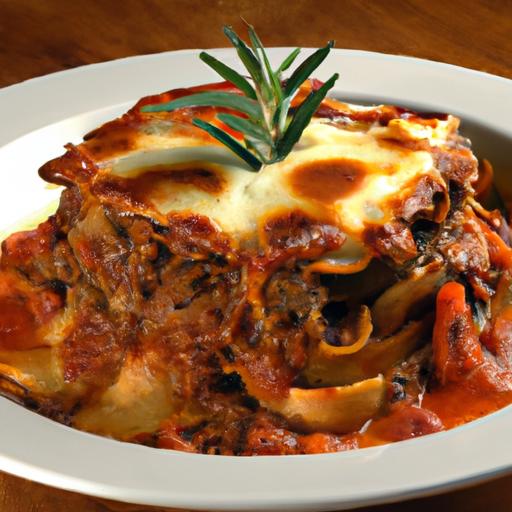

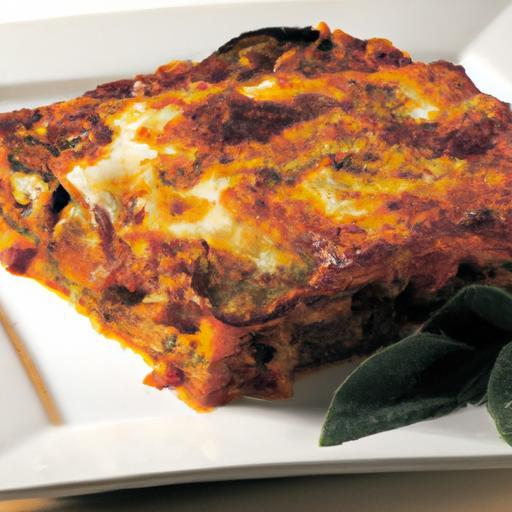
Beneath the sun-drenched skies of the Mediterranean,where olive trees sway and the scent of herbs fills the air,a culinary treasure awaits to be discovered: moussaka. More than just a dish, moussaka is a layered symphony of flavors-rich eggplants, spiced meat, velvety béchamel-each element weaving together to tell a story of tradition, culture, and communal warmth.in this exploration,we’ll journey into the heart of Mediterranean cuisine,uncovering the magic behind moussaka’s enduring appeal and it’s role as a appetizing ambassador of a region steeped in history and vibrant tastes. Prepare to dive fork-first into a Mediterranean classic, where every bite connects past and present on a plate.
Origins and Traditions Behind moussaka’s Timeless Appeal
Moussaka Magic is more than just a recipe; it’s a delicious journey through Mediterranean history and culture. Originating from the rich culinary traditions of Greece and the broader Eastern Mediterranean region, this layered casserole embodies centuries of shared flavors and techniques.Revered for its harmonious blend of savory ground meat, tender eggplants, and creamy béchamel sauce, moussaka stands as a party of comfort and sophistication. each family’s version tells a story – from coastal villages where fresh herbs abound to mountainous areas with hearty meat fillings – making every bite a slice of tradition preserved.
Prep and Cook Time
- Preparation: 40 minutes
- Cooking: 1 hour 20 minutes
- Total Time: 2 hours
Yield
Serves 6 generous portions
Difficulty Level
Medium – Ideal for those cozy with multi-step recipes and baking techniques
Selecting Authentic Ingredients for a Mediterranean Feast
To truly capture the essence of this classic dish, sourcing authentic ingredients is key. opt for fresh eggplants, ideally firm and glossy with smooth skin, to ensure layers that hold shape without bitterness. For the meat component, ground lamb or beef works beautifully, reflecting regional preferences and imparting robust flavor. The béchamel sauce is best crafted from scratch using whole milk, unsalted butter, and all-purpose flour, enhanced with a touch of freshly grated nutmeg. Aromatics like garlic, onion, and fresh parsley elevate the rich meat sauce, while a splash of red wine deepens complexity. Using Mediterranean olive oil keeps the dish authentic and adds a fruity underpinning that mirrors the sun-kissed origins of the recipe.
Ingredients
- 3 large eggplants, sliced into ½-inch thick rounds
- 1 lb (450g) ground lamb or ground beef
- 1 large onion, finely chopped
- 3 cloves garlic, minced
- 1 cup canned crushed tomatoes
- ½ cup dry red wine (optional but recommended)
- ¼ cup olive oil, plus more for frying
- 1 tsp ground cinnamon
- 1 tsp dried oregano
- Salt and freshly ground black pepper, to taste
- 2 tbsp fresh parsley, chopped
- For the béchamel sauce:
- 4 tbsp unsalted butter
- 4 tbsp all-purpose flour, sifted
- 3 cups whole milk, warmed
- 2 large eggs
- ½ cup grated Parmesan cheese
- 1/4 tsp ground nutmeg
- salt and white pepper, to taste
Instructions
- Prepare the eggplants: Generously sprinkle sliced eggplants with salt and place them in a colander for 30 minutes to draw out moisture and bitterness. Rinse and pat dry thoroughly with paper towels.
- Cook the eggplants: Heat olive oil in a large skillet over medium heat. Fry eggplant slices until golden and tender,about 3 minutes per side. Work in batches to avoid overcrowding. Drain on paper towels and set aside.
- Make the meat sauce: In the same pan, add 2 tablespoons olive oil if needed. Sauté onions until translucent, about 5 minutes. Add garlic and cook for 1 minute until fragrant. Stir in ground meat, breaking it up with a spoon. Brown thoroughly, about 7 minutes.
- Flavor the sauce: Pour in crushed tomatoes and red wine, if using. Season with cinnamon, oregano, salt, and pepper. Simmer uncovered for 20-25 minutes until thickened, stirring occasionally. Stir in fresh parsley at the end and remove from heat.
- Prepare the béchamel sauce: In a saucepan, melt butter over medium heat. Whisk in flour and cook for 2 minutes to form a roux, stirring constantly to avoid browning. Gradually whisk in warm milk, continuing until the sauce thickens and coats the back of a spoon.
- Temper eggs: In a small bowl,beat eggs lightly. Slowly whisk a small amount of the hot béchamel into the eggs to prevent scrambling, then fold eggs back into the sauce. Add Parmesan, nutmeg, salt, and white pepper. Remove from heat.
- Assemble the moussaka: Preheat oven to 350°F (175°C). In a greased deep baking dish, layer half the eggplants first. Spread all the meat sauce evenly over the eggplants, followed by the remaining eggplant slices.
- Finish with béchamel: Pour béchamel sauce evenly over the top, smoothing with a spatula. Lightly tap the dish on the countertop to remove air bubbles.
- Bake: Place dish in the oven and bake for 45-50 minutes, or until the top is golden and bubbling. Let it cool for 15-20 minutes before serving to allow the layers to set perfectly.
Tips and tricks for Mastering Moussaka at Home
Choosing the right eggplants: smaller, slender eggplants have fewer seeds and a sweeter flavor. Avoid overly large or spongy ones to prevent bitterness and sogginess.
Salt draws out moisture: Don’t skip the salting step – it ensures your layers don’t turn watery.
Meat variations: Ground lamb offers a conventional richness but beef or a mixture works well for a leaner option.
Béchamel secrets: Use whole milk and whisk continuously to avoid lumps. Adding eggs towards the end gives a luxurious, custard-like finish.
Make-ahead tips: moussaka tastes even better the next day as flavors deepen. Assemble in advance and refrigerate; bake just before serving.
Serving Suggestions
Serve your moussaka with a side of fresh Greek salad drizzled with lemon and oregano or warm pita bread to soak up the layers’ luscious juices. Garnish with chopped parsley or a sprinkle of crumbled feta cheese for a vibrant finish. Pair with a crisp white Assyrtiko wine to complement the dish’s earthy and creamy notes.

nutrition Facts
| Nutrient | Per Serving |
|---|---|
| Calories | 450 kcal |
| Protein | 28 g |
| Carbohydrates | 20 g |
| Fat | 30 g |
For those inspired by this recipe, explore more Mediterranean classics in our Mediterranean Recipes collection.
Q&A
Q&A: Moussaka Magic – Exploring the heart of Mediterranean Cuisine
Q1: What is moussaka, and why is it considered a Mediterranean classic?
A1: Moussaka is a layered casserole dish that embodies the soul of Mediterranean cooking. Traditionally made with eggplants, spiced ground meat, and a creamy béchamel topping, it’s a harmonious blend of flavors and textures that tells a story of rich cultural heritage from countries like Greece, turkey, and the Balkans. Its comforting warmth and bold yet balanced spices make it a beloved symbol of Mediterranean hospitality.
Q2: How does moussaka reflect Mediterranean culinary beliefs?
A2: At its core,Mediterranean cuisine celebrates fresh,local ingredients and simple,heartfelt preparation. Moussaka perfectly mirrors this ethos – fresh eggplants, ripe tomatoes, aromatic herbs, quality olive oil, and slow-cooked meat come together naturally, creating layers of taste that are both rustic and refined. It’s a dish that honors seasonality and respect for ingredients, embodying the Mediterranean lifestyle’s focus on communal meals and vibrant flavors.
Q3: Are there different regional variations of moussaka?
A3: Absolutely! While Greek moussaka is the most internationally famous,other regions offer thier own spins. In Turkey, as an example, moussaka may be served more like a stew without béchamel, emphasizing tomatoes and green peppers. The Balkans incorporate potatoes or zucchini alongside eggplants.These variations reveal how a single dish evolves, absorbing local flavors and traditions, yet always retaining its Mediterranean heartbeat.
Q4: What makes the béchamel sauce so essential to classic moussaka?
A4: the velvety béchamel topping is the crowning glory of Greek moussaka – it adds a luscious creaminess that contrasts beautifully with the savory spiced meat and tender eggplants beneath. Made from butter, flour, and milk, and often enriched with a hint of nutmeg, the béchamel softens and melts into the dish during baking, marrying all the layers into a cohesive, comforting whole.
Q5: Can moussaka be adapted for vegetarian or vegan diets?
A5: Definitely! Vegetarian moussaka swaps meat for hearty vegetables like mushrooms, lentils, or chickpeas, while still layering those tender eggplants and rich tomato sauces. Vegan versions replace béchamel with plant-based creams or cashew-based sauces, ensuring nobody misses out on the magic. The adaptable nature of moussaka reflects Mediterranean cooks’ creativity in embracing abundance, not limits.
Q6: What tips can help home cooks create an authentic moussaka experience?
A6: Start by choosing good-quality ingredients – firm eggplants, fresh tomatoes, and fragrant herbs like cinnamon and oregano. Don’t skip salting and draining the eggplants to remove bitterness and excess moisture. Sauté the meat mixture slowly to develop deep flavors, and prepare a smooth béchamel with care. bake until golden and bubbly, then let it rest before serving – patience unlocks moussaka’s full magic!
Q7: Why does moussaka resonate so deeply with Mediterranean culture and cuisine lovers worldwide?
A7: Moussaka is more than a recipe; it’s a comfort food narrative steeped in tradition, family gatherings, and the Mediterranean way of celebrating life through food. Its layers represent history, geography, and the coming together of diverse influences under the warm sun of the region. This dish invites us to explore the heart of Mediterranean cuisine – a place where flavor, culture, and memory converge in every savory bite.
Wrapping Up
As the layers of eggplant, spiced meat, and creamy béchamel come together in a symphony of flavors, moussaka reveals more than just a meal-it tells a story of Mediterranean heritage, culture, and culinary passion. Exploring this iconic dish invites us not only to savor its rich textures but also to appreciate the traditions and communities that have perfected it over generations.Whether enjoyed at a sun-drenched taverna or recreated in your own kitchen, moussaka remains a timeless bridge to the heart of Mediterranean cuisine-a delicious journey worth every bite.