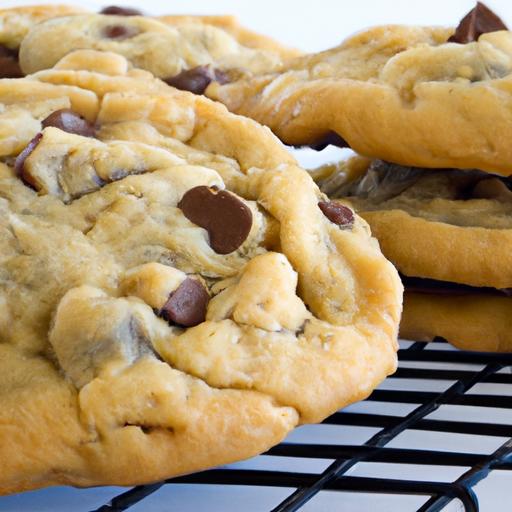


There’s a certain magic in the humble chocolate chip cookie-a timeless treat that’s equal parts comfort and indulgence. But beneath its golden-brown, gooey surface lies a captivating world of chemistry and craft. The perfect chocolate chip cookie isn’t just about mixing flour and sugar; it’s a delicate dance of ingredients and temperatures, a sweet science that transforms simple pantry staples into an irresistible masterpiece. Join us as we unravel the secrets behind that flawless bite, exploring how flour’s gluten, sugar’s caramelization, and butter’s melting point join forces to create cookie perfection. Whether you’re a casual snack seeker or an aspiring pastry artist, understanding the science behind the cookie will elevate your baking from good to truly unforgettable.
The Sweet Science Behind Perfect Chocolate Chip Cookies
Mastering the craft of chocolate chip cookies is a delightful journey where the sweet science behind perfect chocolate chip cookies reveals itself in balancing flavors, textures, and baking precision. From the very first chewy bite to the warm chocolate melting on your tongue, these cookies embody more than just a recipe-they are an experience shaped by technique and quality ingredients.
Prep and Cook Time
- Preparation: 15 minutes
- Chill Dough: 1 hour (optional,but recommended)
- Cooking: 10-12 minutes per batch
- Total Time: Approximately 1 hour 30 minutes
Yield
About 24 classic-sized cookies,perfect for sharing or savoring throughout the week.
Difficulty Level
Easy to Medium: Accessible for beginners who follow the steps carefully,with room to practice and perfect techniques.
Ingredients
- 2 ¼ cups all-purpose flour, sifted
- 1 tsp baking soda
- ½ tsp fine sea salt
- ¾ cup (1 ½ sticks) unsalted butter, softened to room temperature
- 1 cup packed light brown sugar
- ½ cup granulated sugar
- 2 large eggs, at room temperature
- 2 tsp pure vanilla extract
- 2 cups premium semi-sweet chocolate chips or chunks (see tips below)
- Optional: ½ cup chopped toasted walnuts or pecans
Instructions
- Preheat your oven to 350°F (175°C). Line two baking sheets with parchment paper or silicone mats for effortless cookie release.
- Whisk together the sifted flour, baking soda, and salt in a medium bowl. Setting these dry ingredients aside ensures even distribution and prevents clumps.
- Cream the butter and sugars: using a stand mixer or hand mixer, beat the softened butter with light brown and granulated sugars on medium speed until the mixture reaches a fluffy, pale consistency-about 3 to 4 minutes.
- Add eggs one at a time, beating well after each addition to incorporate fully, than mix in the vanilla extract. This helps build structure while retaining tenderness.
- Gradually blend in the dry ingredients, mixing on low speed to avoid overworking the dough. Over-mixing can develop gluten excessively, leading to tough cookies rather than tender ones.
- Fold in the chocolate chips or chunks gently with a spatula, ensuring they’re evenly distributed without breaking them down-a crucial step to guarantee pockets of gooey, melted chocolate.
- Optional: Fold in toasted nuts for crunch and complementary earthiness.
- Chill the dough for at least one hour. This step isn’t mandatory but highly recommended. It allows the butter to solidify, reducing spread during baking and deepening the flavors, unlocking the true essence of the sweet science behind perfect chocolate chip cookies.
- Scoop dough mounds using a cookie scoop or tablespoon onto prepared sheets, spacing them about 2 inches apart.
- Bake for 10 to 12 minutes. Cookies should have golden edges with slightly soft centers-remember, they will continue to set on the baking sheet after removal.
- Cool on baking sheets for 5 minutes before transferring to wire racks.
Chef’s Notes: Tips for Success
- Ingredient balance: The interplay of brown sugar’s moisture and granulated sugar’s crispness is vital for contrasting textures-sticky yet crispy edges with soft centers.
- Butter temperature: Softened, not melted. Cold butter leads to tough dough; melted butter causes flat, greasy cookies.
- Mixing technique: Beat the butter and sugars well to aerate-this trapped air aids in lightness, while gentle folding of dry ingredients avoids toughness.
- Chocolate selection: Opt for high-quality semi-sweet chocolate chips or chopped bars with at least 60% cocoa for a perfect melt and richness.
- Baking variability: Oven temperatures can vary; start checking cookies at 10 minutes to avoid overbaking,preserving gooey interiors.
- Make ahead: Dough can be stored in the fridge up to 3 days or frozen up to 3 months. Thaw before baking for consistent results.
Serving Suggestions
A warm cookie fresh from the oven is sublime on its own. For an elevated presentation, serve alongside a scoop of vanilla bean ice cream or a drizzle of homemade caramel sauce.Garnish with a pinch of flaky sea salt sprinkled over the top to amplify the chocolate’s sweetness and create layers of flavor contrast.
Pair with a cold glass of whole milk or a rich espresso to heighten the cookie’s decadent notes. For gift-giving or parties, stack and wrap cookies with twine and a sprig of fresh mint for a visually inviting treat.

| Nutrient | Per Cookie |
|---|---|
| Calories | 180 kcal |
| Protein | 2 g |
| Carbohydrates | 25 g |
| Fat | 8 g |
For more insights on ingredient science, check out our baking Basics Guide or dive into research about chocolate’s chemistry at CooksInfo.
Q&A
Q&A: the Sweet Science Behind Perfect Chocolate Chip Cookies
Q1: What makes a chocolate chip cookie irresistibly perfect?
A: It’s all about balance-between crisp edges and a chewy center,sweet but not overpowering,and the harmonious dance of textures. Achieving this perfection is a blend of chemistry and technique, where every ingredient and temperature plays its part.
Q2: How does butter type influence cookie texture?
A: Butter is the superstar fat that defines texture. Using melted butter encourages spread and chewiness because it’s fully liquid and coats flour proteins.Cold butter, when creamed with sugar, incorporates air, leading to fluffier cookies with more lift. The fat also helps dissolve sugar, affecting sweetness and moisture retention.
Q3: Why do some recipes call for brown sugar rather of white?
A: Brown sugar contains molasses, which brings moisture, acidity, and depth of flavor. This acidity reacts with baking soda, producing carbon dioxide bubbles that help cookies rise and create tenderness. Plus, molasses caramelizes during baking, encouraging that golden-brown glow and rich, slightly tangy taste.
Q4: What role do eggs play beyond binding ingredients?
A: Eggs add structure through proteins that coagulate when heated, trapping the cookie’s shape. they contribute moisture, which affects chewiness, and leavening through steam.The yolks also provide fat, enriching flavor and softness.
Q5: How does baking temperature affect the final cookie?
A: Higher temperatures (around 375°F) set edges quickly, yielding a crispy rim and soft middle, while lower temps (325°F) produce uniformly soft, cakey cookies. Temperature controls how fast sugars caramelize and proteins brown,influencing color and taste.
Q6: Can flour type really change the cookie?
A: Absolutely! All-purpose flour strikes a good balance, but bread flour-with more protein-creates more gluten, leading to chewier cookies. Cake flour, with less protein, makes tender, softer cookies. The flour’s protein content affects how much structure forms during baking.
Q7: Why is chilling the dough often recommended?
A: Chilling solidifies fats,preventing cookies from spreading too rapidly during baking,resulting in thicker cookies with a better texture. It also allows time for flavors to meld and for the flour to hydrate, enhancing chewiness.
Q8: What’s the science behind chocolate chips melting just right?
A: Chocolate chips are formulated to hold shape during baking thanks to stabilizers. As they heat, fats melt and soften the chip’s core, delivering gooey pockets of chocolate without turning into a puddle.
Q9: How do mixing methods influence cookie outcome?
A: Overmixing develops gluten, making cookies tough and cakey; undermixing leads to uneven ingredient distribution. Creaming butter and sugar aerates the dough,helping with rise and texture,so proper technique is crucial.
Q10: Any secrets to elevating classic chocolate chip cookies?
A: Experiment with salt-sprinkling flaky sea salt on top creates a contrast that heightens sweetness. Try toasting flour for a nutty flavor, or using browned butter for a rich, caramel-like depth.And always remember: precision and patience turn simple dough into magic.
–
Unlocking the perfect chocolate chip cookie means embracing the science behind baking’s sweetest art. Once you understand the chemistry, every batch becomes a flavorful experiment!
To Conclude
As we close the chapter on the sweet science behind perfect chocolate chip cookies, it’s clear that these beloved treats are more than just simple confections-they’re edible equations of chemistry, temperature, and timing. From the delicate dance of butter melting to the precise ratio of sugars creating that irresistible chew, every ingredient plays its part in crafting cookie magic. so next time you bite into a warm, gooey masterpiece, remember: you’re savoring not just a cookie, but the delicious result of science in action. Happy baking, and may your culinary curiosities continue to rise just like your dough!