
There’s a certain magic in a warm slice of cornbread – its golden crust, tender crumb, and subtle sweetness conjure memories of family gatherings, cozy kitchens, and simple, soulful nourishment. But beyond its comforting presence on Southern tables, cornbread carries a rich and colorful history that stretches back centuries, weaving together indigenous traditions, colonial ingenuity, and regional flair. in “Golden Comfort: The Heartwarming History of Cornbread,” we journey through time to uncover how this humble bread rose from ancient grain to beloved staple, shaping cultures and hearths across America. Join us as we explore the stories, recipes, and spirit behind one of the most enduring symbols of home-cooked warmth.
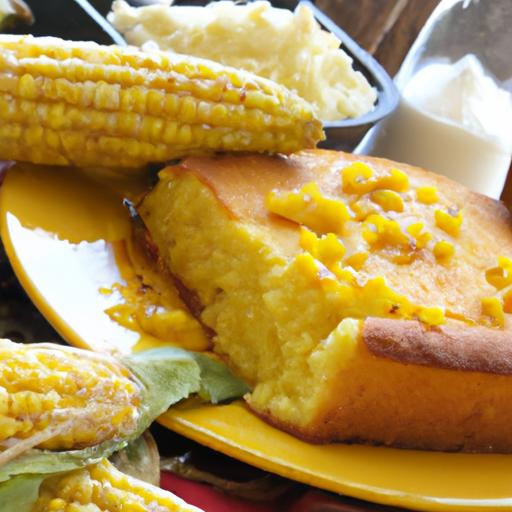
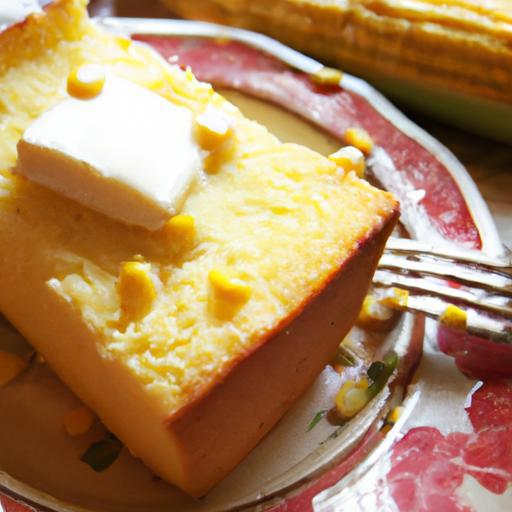
Golden Comfort has long been a symbol of nourishment and warmth in American kitchens, tracing its roots back to the earliest settlements where explorers and Native Americans first shared culinary traditions. This humble yet hearty cornbread has evolved from simple cornmeal mixtures cooked on hearths to delightfully moist and fluffy variations enjoyed at tables across the country today. Its rustic charm embodies history,culture,and regional flair all baked into one irresistible golden slice.
Prep and Cook Time
- Readiness: 10 minutes
- Cooking: 25-30 minutes
- Total Time: 35-40 minutes
Yield
Serves 8 generous servings
Difficulty Level
Easy – perfect for bakers of all backgrounds, from novices to seasoned comfort food enthusiasts.
Ingredients
- 1 cup yellow cornmeal, stone-ground preferred for authentic texture
- 1 cup all-purpose flour, sifted
- 1 tablespoon baking powder, ensures a tender rise
- 1/2 teaspoon baking soda
- 1 teaspoon fine sea salt
- 2 large eggs, beaten
- 1 1/4 cups buttermilk, for the signature tang and moist crumb
- 1/4 cup unsalted butter, melted, plus extra for greasing the pan
- 1 tablespoon honey, optional, for a subtle sweetness
Instructions
- Preheat your oven to 425°F (220°C). Generously butter a 9-inch cast iron skillet or baking dish and place it in the oven to heat while you prepare the batter. This step creates a crispy, golden crust that’s simply irresistible.
- Mix the cornmeal, flour, baking powder, baking soda, and salt in a large bowl until well combined.Whisking the dry ingredients ensures even distribution of leavening agents for a perfect rise.
- In a separate bowl, beat the eggs lightly. Add buttermilk, melted butter, and honey (if using). Stir gently – the batter should be smooth but not overmixed.
- Combine wet and dry ingredients, folding the batter carefully with a spatula until just moistened. Overmixing can lead to a dense texture, so a few lumps are perfectly fine.
- Carefully remove the hot skillet from the oven and pour the batter in. The sizzling sound is a sign of the perfect crust to come.
- Bake for 20 to 25 minutes, or until the top is golden brown and a toothpick inserted in the center comes out clean.
- Cool in the pan for about 10 minutes before slicing - this resting period sets the crumb and makes cutting easier without crumbling.
Tips for Baking Perfectly Moist and Fluffy Cornbread Every Time
- Use fresh baking powder and baking soda – old leavening agents lose potency and affect the rise.
- Buttermilk is key for tenderness and tang: if unavailable, create a substitute by adding 1 tablespoon of white vinegar or lemon juice to 1 1/4 cups milk; let it sit 5 minutes.
- Do not overstir the batter; mix just until the dry ingredients disappear to maintain airiness.
- For a sweeter Southern cornbread, add a bit more honey or sugar; for a more savory Northern style, consider omitting honey and boosting salt slightly.
- Cast iron is recommended for its excellent heat retention and delicious crust progress-preheating the skillet enhances this effect.
- Leftovers keep well wrapped at room temperature for 2 days and can be warmed in a toaster oven to revive crispness.
Exploring Regional Twists: Southern Cornbread Versus Northern Variations
Golden Comfort unites diverse american culinary traditions where the South typically favors a lighter batter with a tender crumb, often without sugar, resulting in a slightly savory profile. In contrast, Northern recipes sometimes incorporate sugar and even wheat flour exclusively or alongside cornmeal, lending a denser, sweeter bread. Knowing these nuances lets you tailor your cornbread to match your mood or meal – weather alongside spicy chili or a rich, smoky barbecue plate.
Serving Suggestions
- Warm slices brushed with a pat of honey butter or spread with creamy butter for classic comfort.
- Serve alongside robust dishes such as southern collard greens or a hearty pot of chili for texture contrast.
- Top with a sprinkle of sharp cheddar and diced jalapeños before baking for a spicy, melty twist.
- Garnish with fresh herbs like chopped chives or parsley when serving to add color and subtle freshness.
- Pair with a drizzle of local honey or spicy hot sauce to complement cornbread’s natural sweetness and savoriness.
nutritional Data (per serving)
| Calories | Protein | Carbs | Fat |
|---|---|---|---|
| 220 kcal | 5 g | 30 g | 8 g |

For a deeper dive into the rich culinary heritage that inspired this recipe, check out History.com’s article on Cornbread Origins.
Q&A
Q&A: golden Comfort – The Heartwarming History of Cornbread
Q1: What makes cornbread a timeless comfort food?
A1: Cornbread embodies warmth and simplicity,combining humble ingredients into a golden slice of nostalgia. Its crumbly texture and slightly sweet flavor evoke memories of home-cooked meals and family gatherings, making it a perpetual comfort food across generations.
Q2: Where did cornbread originate?
A2: cornbread traces its roots to Native American cuisine, where corn was a staple grain long before European settlers arrived. Indigenous peoples ground dried corn into meal and baked simple breads or cakes over open fires.Early colonists adopted these techniques, adapting cornbread into the beloved dish we know today.
Q3: How has cornbread evolved through history?
A3: Initially a practical frontier fare, cornbread evolved with regional influences. southern styles added buttermilk and bacon grease for richness, while Northern variations leaned toward sweeter batters with sugar or molasses. From skillet breads to muffins and even cornbread stuffing, its versatility reflects America’s diverse culinary tapestry.
Q4: Why is cornbread so closely associated with Southern cuisine?
A4: In the South, corn thrived where wheat struggled, making cornmeal an accessible staple. Cornbread became a cornerstone of Southern tables – nourishing laborers, enlivening holiday feasts, and pairing perfectly with smoky barbecues and hearty greens. It’s not just food; it’s a cultural symbol woven into southern identity.
Q5: Can cornbread be considered a symbol of resilience?
A5: Absolutely. Cornbread’s story is one of adaptation and survival. Born from necessity during times of scarcity, it nourished communities through hardship and party alike. Its enduring presence on tables today speaks to a legacy of resourcefulness and the human spirit’s capacity to find comfort in simplicity.
Q6: How can modern cooks honor cornbread’s heritage?
A6: By embracing customary techniques and ingredients-such as stone-ground cornmeal, cast-iron skillets, and buttermilk-modern cooks can connect with cornbread’s rich past. Experimenting with heirloom recipes, sharing stories alongside the dish, and appreciating its communal roots keep the heartwarming history of cornbread alive in every bite.
To Wrap It Up
From humble beginnings as a simple staple born out of necessity, cornbread has woven itself into the very fabric of culinary tradition, a golden thread connecting generations and cultures alike. Its warm, crumbly texture tells stories of hearthside gatherings, of resilience in the face of hardship, and of the comforting embrace found in a shared meal. As we savor each bite of this timeless bread, we’re reminded that cornbread is more than just food-it’s a symbol of home, history, and the enduring power of comfort. In every crumb lies a piece of the past, inviting us to carry its heartwarming legacy forward, one golden slice at a time.