
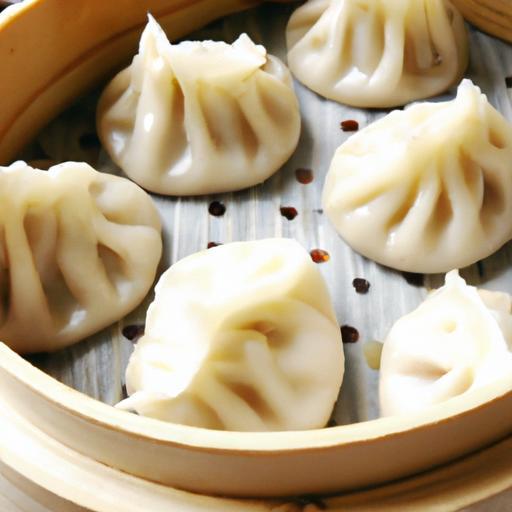
In teh delicate world of culinary treasures, few dishes captivate the senses quite like soup dumplings. These humble parcels of dough, filled with savory broth and tender meat, represent a marriage of art and flavor that has enchanted food lovers worldwide. Behind their translucent skins lies a steaming secret-one that requires precision, patience, and a deep understanding of technique to master. In this article, we embark on a flavorful journey into the heart of soup dumplings, uncovering the craftsmanship behind their iconic texture, the science of their juicy interiors, and the cultural traditions that have shaped their timeless appeal. Prepare to dive into the aromatic steam and discover the art hidden within every bite.
Steaming Secrets: The Art and Flavor of soup Dumplings
Steaming Secrets unlock the magic behind crafting soup dumplings with the ideal dough texture and juicy, flavorful fillings. Originating from the culinary heart of jiangnan,China,these delicate parcels marry tender dough with rich,savory broth encased in inventive fillings. Having spent years refining the balance of chewiness and elasticity in the dough, I can assure you that understanding the science of wrapping and steaming transforms this tradition into an approachable masterpiece in your kitchen.
Prep and Cook Time
- Preparation: 1 hour 30 minutes (includes dough resting and filling chilling)
- Cooking: 10 minutes per batch
- Total Time: approximately 1 hour 40 minutes
Yield
Makes approximately 40-45 soup dumplings, ideal for 4 servings as an appetizer or light meal.
Difficulty Level
Medium to Advanced – mastering dough elasticity,precise wrapping techniques,and steaming timing is key to perfect results.
Ingredients
- For the Dough:
- 2 cups all-purpose flour, sifted
- ¾ cup boiling water
- 2 tbsp cold water, as needed
- Pinch of salt
- For the Filling & Broth Gelée:
- 1 lb ground pork (preferably 20% fat)
- 1 cup pork bone broth, chilled until gelled
- 2 tbsp soy sauce
- 1 tbsp Shaoxing wine
- 1 tbsp grated ginger
- 2 cloves garlic, minced
- 1 tsp sesame oil
- 2 green onions, finely chopped
- 1 tsp sugar
- Salt and white pepper, to taste
- Optional: finely diced shiitake mushrooms or crab meat for innovative flavor twists
- For Steaming:
- Broccoli leaves or parchment paper
- Water for steaming
Instructions
- Prepare the Dough: Place the sifted flour and salt in a large bowl. Slowly pour in boiling water while stirring with chopsticks or a spatula until you form shaggy dough. If dry, add cold water by teaspoons, kneading until the dough is smooth and elastic (about 8 minutes). Cover with a damp cloth and let rest for 30 minutes to relax the gluten,achieving pliability crucial for wrapping.
- Make the Broth Gelée: Simmer pork bones for several hours to create rich broth. Chill overnight until solid. Cut gelée into small ¼-inch cubes to encapsulate juicy soup within the dumplings.
- Mix the Filling: In a bowl, combine ground pork, soy sauce, Shaoxing wine, grated ginger, minced garlic, sesame oil, green onions, sugar, salt, and white pepper. Gently fold in the broth gelée cubes to preserve texture and juiciness.
- Roll the Dough: Divide dough into 40 equal pieces. Roll each piece into a ball, then flatten into thin 3-inch discs with a rolling pin, keeping the center slightly thicker for structural support. dust with flour to prevent sticking but avoid over-flouring, ensuring elasticity remains intact.
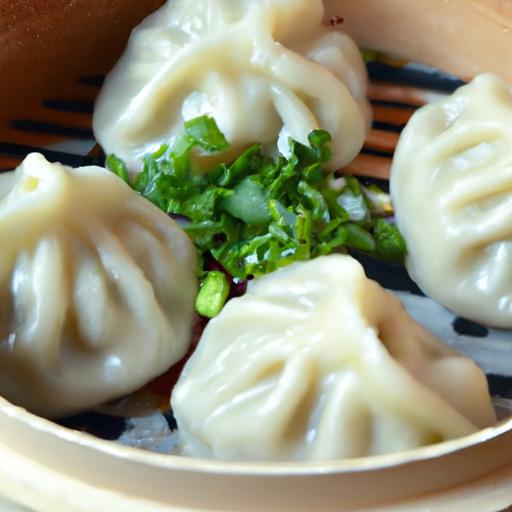
- Wrap the Dumplings: Place about 1 teaspoon of filling in the center of each wrapper. Using your fingers, pleat the edges carefully, folding inward in a circular motion to create 18-20 delicate pleats, sealing the dumpling tightly.this technique traps the soup inside,creating the signature burst of flavor upon steaming.
- Prepare to Steam: Line a bamboo or metal steamer with broccoli leaves or parchment paper punched with holes for steam circulation. Arrange dumplings spaced 1 inch apart to avoid sticking.
- Steaming: Bring water to a rolling boil in your wok or steamer pot. Place the dumplings into the steaming basket, cover, and steam over medium-high heat for 8-10 minutes. avoid lifting the lid during cooking to maintain proper steam surroundings and ensure the dough cooks evenly and translucently.
- Serve Hot: Use a slotted spoon or flat spatula to gently transfer dumplings to a serving plate. Accompany with black vinegar and finely shredded ginger for dipping to complement the richness beautifully.
Tips for Success
- Dough Texture: The secret to the ideal dough is combining boiling water for a partially cooked flour affect with thorough kneading; this yields elasticity and softness to encase the broth without breaking.
- Wrapping Technique: Mastering even pleating ensures steam circulates evenly inside, preventing bursting and sealing in flavor-packed soup gelée.
- steaming Tips: Do not overcrowd; each dumpling needs room to puff slightly without touching.Keep the steam consistent and resist the temptation to open the lid early.
- Flavor variations: Add finely chopped shiitake mushrooms or switch pork for lobster or crab meat for an innovative luxury twist-adjust seasoning accordingly.
- Make-Ahead: Dumplings can be frozen on a tray, then stored in airtight bags for up to one month. Steam directly from frozen, increasing cooking time by 3-4 minutes.
Serving Suggestions
Present your soup dumplings on a rustic bamboo steamer over a lacquered wooden tray for that authentic visual appeal. Garnish with a sprinkle of freshly chopped chives or microgreens. Serve alongside a small dish of black vinegar with julienned ginger and a side of crisp pickled vegetables for contrast.Pair with a light jasmine tea or a dry Riesling to balance the richness.

| Nutrient | Per Dumpling |
|---|---|
| Calories | 70 kcal |
| Protein | 5 g |
| Carbohydrates | 8 g |
| Fat | 2.5 g |
For further exploration of conventional Chinese dim sum techniques, check out our comprehensive dim sum guide, and for scientifically-backed cooking methods of dumplings, this ScienceDaily article on gluten and dough elasticity is a engaging read.
Q&A
Q&A: Steaming Secrets – The Art and Flavor of Soup dumplings
Q1: What exactly are soup dumplings,and why are they so special?
A1: Soup dumplings,known as xiaolongbao in Chinese cuisine,are little marvels of culinary craftsmanship. These delicate parcels are thin-skinned dumplings filled with savory meat and a shimmering, savory broth that bursts in your mouth with every bite. What makes them special isn’t just the taste-it’s the ingenious method of trapping liquid soup inside a seemingly solid dumpling skin,creating a sensory experience that marries texture,aroma,and warmth.
Q2: How do chefs manage to enclose soup inside such a thin dumpling skin without it breaking?
A2: The trick lies in the magic of gelatinized broth. Before wrapping, a rich stock is cooled and solidified into a gelatinous aspic. this aspic is chopped and mixed with seasoned minced meat. When the dumplings steam, the aspic melts into luscious soup inside the delicate dough wrapper. Crafting the skin thin enough to be delicate but strong enough to hold the liquid requires practiced hands and an understanding of dough elasticity.
Q3: Why is the steaming process so crucial for soup dumplings?
A3: Steaming is the heart of soup dumpling perfection. It cooks the dumplings gently and evenly, allowing the thin skin to remain tender and translucent while warming the filling until the aspic liquefies. The steam also imparts a subtle moistness that keeps the skin from drying out or cracking. Timing is everything-too long and the skin hardens; too short and the filling is undercooked.
Q4: Are there regional differences or variations in soup dumplings?
A4: Absolutely! While the iconic Jiangnan-style xiaolongbao hails from Shanghai, showcasing pork and rich broth wrapped in a paper-thin skin, other regions have their own spin. Some add crab roe for complexity; others use chicken or even vegetarian fillings. The thickness of the dough, seasoning of the broth, and size of the dumplings vary, reflecting local tastes and traditions.
Q5: What’s the best technique to eat soup dumplings without losing all the delicious soup inside?
A5: Eating soup dumplings is almost a ritual. The safest way is to gently pick one up with chopsticks by the top “pleat,” place it on a soup spoon, and nibble a small hole in the skin or bite a corner to release the steam and sip the broth first. Then, savor the whole dumpling before dipping it briefly in condiment – usually a mix of black vinegar and thinly sliced ginger. This careful approach lets you enjoy every drop of that precious soup.
Q6: Can soup dumplings be made at home, or are they best left to professionals?
A6: While they’re famously challenging, making soup dumplings at home is absolutely possible, and incredibly rewarding! The biggest hurdles are mastering the thin dough and preparing the aspic broth properly. With patience, quality ingredients, and some practice, home cooks can unlock this art form. Starting with premade wrappers or thicker skins can ease the learning curve.
Q7: What atmosphere or setting enhances the experience of enjoying soup dumplings?
A7: soup dumplings are not just food-they are an experience. Traditionally savored in bustling teahouses or dim sum parlors, the pleasure is amplified by sharing with friends or family amid lively chatter and clinking teacups. The warmth of the dumpling contrasts beautifully with the social warmth, turning a simple bite into a party of culture, craftsmanship, and connection.
With these steaming secrets unveiled, your ready to truly appreciate each delicate fold and savory sip of soup dumplings-the edible art where taste meets tradition in every warm, juicy bite.
In Summary
As the delicate steam rises and the first bite reveals the burst of savory broth cradled within tender dough, soup dumplings transform from simple fare into a multisensory experience-one that marries artistry with tradition.behind every perfectly pleated purse lies a story of patience, precision, and passion, inviting us to savor not just the flavors, but the rich cultural heritage wrapped inside. Whether you’re a seasoned aficionado or a curious newcomer, embracing the steaming secrets of these culinary gems offers a delicious journey into the heart of an age-old craft-a testament to how humble ingredients, when handled with care, can create magic on a plate. So next time you lift that fragile parcel, remember: you’re not just tasting a dumpling, but the art and soul of generations.