
In the heart of Japan’s vibrant culinary scene lies a dish that embodies both tradition and creativity-okonomiyaki. Often described as a savory pancake, okonomiyaki is much more then a simple breakfast treat; it’s a customizable masterpiece that invites you to blend flavors, textures, and cultural history on a single griddle. Mastering okonomiyaki means unlocking the secrets of this beloved comfort food, from selecting the freshest ingredients to perfecting the art of flipping. Whether you’re a seasoned cook or a curious foodie, this guide will take you on a flavorful journey through Japan’s savory pancake delight, revealing how to craft your own authentic okonomiyaki that captivates the palate and celebrates the spirit of Japanese cuisine.
Mastering Okonomiyaki: Japan’s Savory Pancake Delight Recipe invites you into the heart of Japanese street food culture, where tradition meets creative flair on a hot griddle. Originating in Osaka and hiroshima,this versatile savory pancake embodies the spirit of communal dining and regional pride. Its name, which means “grilled as you like it,” perfectly captures the customizable nature of okonomiyaki, making it a beloved comfort food across Japan and beyond.
Understanding the History and Cultural Roots of Okonomiyaki
Okonomiyaki’s story begins in post-war Japan, when ingredients were scarce, encouraging families to creatively use available staples such as flour, cabbage, and seafood. Initially a humble peasant dish, okonomiyaki evolved differently across regions: Osaka-style blends all ingredients into a thick batter, while Hiroshima-style layers the components and often includes noodles. This pancake is more than just food; it’s a cultural mosaic reflecting adaptation, resourcefulness, and festivity, often enjoyed convivially with friends or family around a teppan (iron griddle).
Choosing the Perfect Ingredients for Authentic Flavor and Texture
Authenticity starts with ingredient quality and balance. Japanese all-purpose flour (koshuniko) ensures a light,yet chewy batter texture,while fresh,finely shredded green cabbage offers sweetness and crunch. customary recipes incorporate tempura scraps (tenkasu) and pickled ginger (beni shoga) for bursts of contrasting textures and tang. High-quality bonito flakes (katsuobushi) and okonomiyaki sauce provide that unmistakable umami punch that defines the dish. Don’t forget a touch of dashi stock in your batter-it’s the subtle secret that elevates flavor complexity.
Step-by-Step Techniques to Achieve the Ideal Okonomiyaki Batter
Mastering your batter means balancing moisture and fluffiness. Start with mixing flour, dashi stock, and eggs gently-avoid overmixing to keep the batter airy. Fold in shredded cabbage and optional ingredients like chopped green onions or small seafood pieces carefully. When cooking,use medium heat and oil the griddle generously to prevent sticking. Pour a thick circular shape and press lightly-not too much, as retaining fluffiness is key. Cooking the pancake evenly until golden brown on both sides requires patience-flip only once or twice using a wide spatula for perfect form.
Secret Tips for Toppings and Presentation That elevate Your Dish
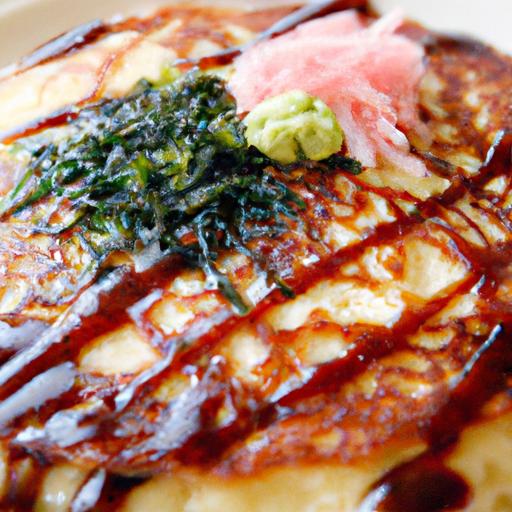
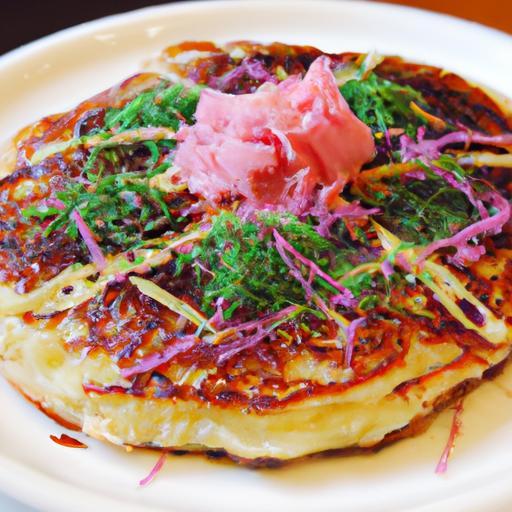
The magic of okonomiyaki lies in its toppings. A generous drizzle of rich okonomiyaki sauce paired with creamy Japanese mayonnaise creates a visually striking and flavor-packed finish. Scatter bonito flakes that dance with heat, add a sprinkle of aonori (seaweed flakes) for fresh ocean aroma, and garnish with finely sliced green onions for color contrast. For a wow factor, present your pancake hot off the griddle on a flat wooden plate or iron skillet, encouraging diners to cut into its soft layers revealing vibrant textures inside. Adding a side of pickled ginger or miso soup completes the authentic experience.
Prep and Cook Time
- Readiness: 20 minutes
- Cooking: 15 minutes per pancake
Yield
Serves 2-3 people
Difficulty level
Medium – requires attention to technique but accessible for adventurous home cooks
Ingredients
- 1 cup Japanese all-purpose flour (koshuniko), sifted
- 3/4 cup dashi stock (preferably homemade)
- 2 large eggs
- 3 cups finely shredded green cabbage
- 1/4 cup chopped green onions
- 1/4 cup tenkasu (tempura scraps)
- 2 tbsp pickled ginger (beni shoga), chopped
- 100g cooked shrimp or thinly sliced pork belly (optional)
- Vegetable oil, for cooking
- Okonomiyaki sauce, for topping
- Japanese mayonnaise, for topping
- Bonito flakes (katsuobushi), for garnish
- Aonori (seaweed flakes), for garnish
Instructions
- Prepare the batter: In a large bowl, whisk together flour and dashi stock until smooth. Add eggs and stir lightly to combine without overmixing.
- Fold in vegetables and add-ins: Gently fold in shredded cabbage, green onions, tenkasu, and pickled ginger. If using meat or seafood, add it now and mix lightly.
- Heat the griddle or large non-stick skillet: Preheat over medium heat and brush generously with vegetable oil to prevent sticking.
- pour batter: Ladle about 1 cup of the mixture onto the hot griddle,shaping into a 6-inch round pancake. Press gently to flatten slightly but maintain some thickness for fluffiness.
- Cook undisturbed: Let the okonomiyaki cook for 4-5 minutes or until the underside is golden and crispy. Flip carefully using a wide spatula.
- Cook other side: Cook another 4-5 minutes until golden brown and the pancake is cooked through.Lower the heat if browning too quickly.
- Plate and garnish: Transfer to a serving plate. Generously drizzle with okonomiyaki sauce and Japanese mayonnaise in decorative zigzags.
- Add finishing touches: sprinkle bonito flakes and aonori on top. Serve immediately while hot to enjoy the signature smoky aroma and textures.
Tips for Success
- Texture balance: Avoid squeezing out cabbage moisture to maintain a succulent interior.
- Batter consistency: The batter should be thick but pourable-adjust with small amounts of dashi or flour if needed.
- Flipping technique: Use two spatulas for better control; practice ensures a perfect shape without breaking.
- Make-ahead: Mix the batter and vegetables ahead but cook fresh; assembled okonomiyaki loses fluffiness if refrigerated.
- Vegetarian option: substitute seafood or pork belly with firm tofu or shiitake mushrooms for umami-rich meatless versions.
Serving Suggestions
Pair your okonomiyaki with a side of miso soup and a chilled glass of sake or Japanese beer. Present on a rustic wooden platter or sizzling iron skillet for an authentic banquet feel. Add pickled daikon radish or a crisp cucumber salad to cut through the richness and refresh the palate. Encourage diners to cut into layered delights, savoring the contrast of crispy outside and tender inside with every bite.
| Nutrient | Per Serving |
|---|---|
| Calories | 410 kcal |
| Protein | 18 g |
| Carbohydrates | 45 g |
| Fat | 15 g |

For more insights on japanese street foods, explore our detailed article on Japanese Street Food Guide. Expand your culinary knowledge with the rich flavors of Japan here.
Q&A
Q&A: Mastering Okonomiyaki – Japan’s Savory Pancake Delight Recipe
Q1: What exactly is Okonomiyaki?
A1: Okonomiyaki is often described as a Japanese savory pancake,but it’s much more than that. Literally meaning “grilled as you like it,” Okonomiyaki is a customizable, hearty dish combining batter, cabbage, and an array of fillings-from seafood and pork to cheese and mochi-cooked on a hot griddle and topped with flavorful sauces. It’s comfort food in its most creative and indulgent form.
Q2: How did Okonomiyaki originate?
A2: this beloved dish has roots tracing back to post-war Japan when food scarcity inspired inventive meals. Originally called “funoyaki,” it evolved into the modern Okonomiyaki mainly in Osaka and Hiroshima. Each region boasts a unique style: Osaka’s mixed pancake and Hiroshima’s layered version, both reflecting local tastes and culinary ingenuity.
Q3: What are the key ingredients to master an authentic Okonomiyaki?
A3: The heart of Okonomiyaki lies in a simple batter made from flour, grated nagaimo (a type of yam) for fluffiness, dashi or water, and eggs. Napa cabbage is essential for crunch and volume. From there, the fillings vary widely-thinly sliced pork belly is classic, while shrimp, squid, green onions, and tempura scraps (tenkasu) add texture and flavor. The final magic comes from brushing on Okonomiyaki sauce, a sweet-savory glaze, plus Japanese mayo, bonito flakes, and aonori seaweed.
Q4: What’s the difference between Osaka and Hiroshima styles?
A4: Osaka-style Okonomiyaki tosses all ingredients into one batter mix and cooks it like a thick pancake-easy and hearty. Hiroshima style, on the other hand, layers each component separately on the griddle-batter first, then cabbage, bean sprouts, pork, noodles (yakisoba or udon), and sometimes a fried egg-creating a more complex, towering delight. Both are delicious, but Hiroshima’s is a layered masterpiece while Osaka’s is a unified classic.
Q5: Can Okonomiyaki be made vegetarian or vegan?
A5: Absolutely! To keep it vegetarian, swap out pork or seafood with mushrooms, shredded carrots, and corn. Vegan Okonomiyaki can be crafted by substituting eggs with flaxseed or chia gel and using plant-based dashi or water for the batter. Just be mindful of toppings-choose vegan mayo and skip bonito flakes or replace them with seaweed flakes for umami.
Q6: Any pro tips to elevate the cooking process?
A6: Sure! First, use a large, flat griddle or non-stick pan for even cooking. Don’t overcrowd the batter-give it space to spread to a perfect thickness.Get patient; cook slowly on medium heat to ensure the center cooks through without burning the outside. Flip gently like you would a thick omelette. Lastly,slather on plenty of Okonomiyaki sauce and drizzle mayo artistically-that’s the finish line for both taste and presentation.
Q7: How can I serve Okonomiyaki to impress guests?
A7: Presentation is part of the fun! Serve whole or cut into wedges, topped with bonito flakes that dance in the heat, fresh shredded nori, and pickled ginger on the side. Pair with chilled japanese beer or a cup of green tea to balance the richness. Sharing made-at-the-griddle Okonomiyaki during a casual gathering makes every meal interactive and unforgettable.
Q8: Where can beginners find authentic okonomiyaki sauces and ingredients outside Japan?
A8: Many Asian grocery stores carry Okonomiyaki sauce, but if you can’t find it, a homemade blend of Worcestershire sauce, ketchup, soy sauce, and honey works well. japanese mayo like kewpie is frequently enough sold internationally and brings the authentic creamy tang. For nagaimo yam, look for alternatives like grated potato mixed with a bit of cornstarch to mimic texture if it’s unavailable.
Mastering Okonomiyaki invites you into a world where pancake meets personalized feast. With a little practice and passion, you’ll flip your way to a truly iconic taste of Japan’s savory delight!
in Retrospect
as the final sizzle settles and the aroma of your homemade okonomiyaki fills the kitchen, you’ve not only crafted a delicious dish but also embraced a piece of Japan’s rich culinary heritage. Mastering this savory pancake delight is more than just following a recipe-it’s an invitation to experiment, savor, and share a meal that embodies creativity and comfort in every bite. Whether enjoyed crisp from the griddle or customized with your favorite toppings,okonomiyaki is a flavorful journey that celebrates the art of making food truly your own. So gather your ingredients, ignite your appetite, and let this iconic Japanese pancake become a cherished favorite in your cooking repertoire.