
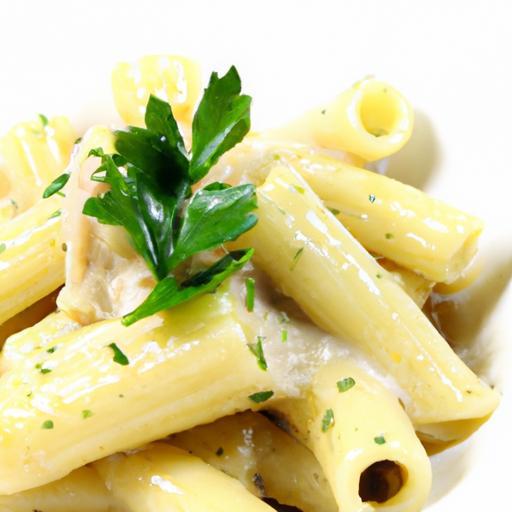
There’s something irresistibly magical about a plate of carbonara-creamy yet simple, comforting yet refined. This classic Italian pasta has captured the hearts and taste buds of food lovers around the world, transcending its humble Roman origins to become a culinary star in kitchens everywhere. But what exactly makes carbonara so special? in this article,we unlock the secrets behind this timeless dish,exploring its authentic ingredients,customary techniques,and the reasons why it deserves a place on your must-try list today. Prepare to discover the art of carbonara-a tasty journey that’s as rich in history as it is in flavor.
Unlocking Carbonara reveals more than just a recipe; it invites you to embark on a culinary journey through the heart of Roman tradition.This dish’s allure lies in its simplicity and the subtle mastery required to balance its core ingredients. Carbonara’s origin is steeped in mystery, purportedly born from mid-20th century Rome, where wartime ingredients inspired inventive cooks to combine eggs, pancetta, and cheese into a luxurious sauce without a drop of cream-a myth frequently enough softened outside Italy.
The Origins and Authentic Ingredients That Define True Carbonara
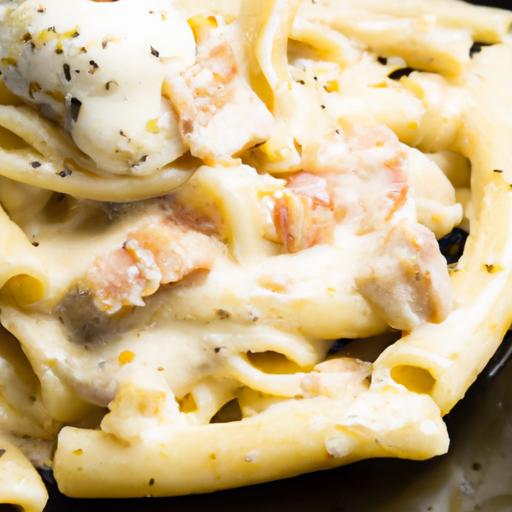
Genuine carbonara is defined by a harmonious blend of traditional ingredients: guanciale (cured pork cheek), pecorino romano, freshly ground black pepper, and farm-fresh eggs. The essence here is authenticity-each component telling a story of Roman culinary heritage. Guanciale delivers a robust, savory base richer than pancetta or bacon, while pecorino romano’s sharp saltiness enhances every bite. the eggs bind everything, creating that signature silky coating that clings tenderly to the pasta strands.
Mastering the Perfect Creamy Texture Without Cream
Cream isn’t welcome in a classic carbonara, yet achieving that creamy, luscious sauce is entirely possible with technique alone. The secret lies in using fresh eggs and meticulously tempering them with reserved hot pasta water. This creates an emulsion that forms a glossy, velvety sauce without curdling or scrambling. Timing is crucial-off heat, quickly stirring the beaten eggs and cheese into the steaming pasta ensures a smooth, fragrant finish.
Choosing the Ideal Pasta and Pairings for an Unforgettable Meal
The traditional pasta for carbonara is spaghetti, though rigatoni or bucatini are excellent alternatives that catch the sauce in their ridges or hollow centers, intensifying the flavor delivery. Serving with a crisp, chilled white wine such as Verdicchio or Pinot grigio elevates the meal, while a side of lightly dressed arugula or a simple Roman-style artichoke salad brings bright contrast to this rich dish.
Expert Tips for Elevating Your Carbonara to Restaurant Quality
To turn your carbonara into a restaurant-worthy classic, start with premium ingredients and don’t rush the process. Use room temperature eggs for smoother emulsification. Reserve ample pasta water-about a cup-to adjust sauce consistency as needed. Cook guanciale slowly over medium heat to render fat gently, allowing it to crisp without burning. Finish with freshly cracked black pepper-not pre-ground-as its pungency is essential. plate promptly to enjoy the sauce’s creamy texture before it settles.
Prep and Cook Time
- Planning: 10 minutes
- Cooking: 20 minutes
- Total: 30 minutes
Yield
4 generous servings
Difficulty Level
Medium – requires attention to timing and technique
Ingredients
- 400g (14 oz) spaghetti
- 150g (5 oz) guanciale, cut into small strips
- 3 large eggs, room temperature
- 1 large egg yolk, room temperature
- 1 cup (80g) freshly grated pecorino romano cheese
- Freshly ground black pepper, to taste
- Salt, for pasta water only
Instructions
- Bring a large pot of salted water to a boil. Add the spaghetti and cook until al dente, about 9 minutes. Reserve 1 cup of pasta water before draining.
- Meanwhile, heat a large skillet over medium heat. Add the guanciale and sauté until golden and crispy, about 5-7 minutes. Stir occasionally to prevent sticking. Remove from heat.
- In a bowl,whisk together the eggs,egg yolk,and pecorino romano until smooth and combined. Add a generous pinch of freshly ground black pepper.
- Return the drained pasta to the skillet with guanciale (off heat). Quickly pour the egg and cheese mixture over the hot pasta, tossing vigorously.
- Add reserved pasta water a few tablespoons at a time, stirring continuously to create a creamy, glossy sauce that evenly coats the pasta without scrambling the eggs.
- Adjust consistency with more pasta water if needed; season lightly with salt if desired,though the cheese and guanciale provide ample saltiness.
- Serve immediately, topped with extra grated pecorino and a fresh crack of black pepper.
Chef’s Notes & Tips for Success
- Use the freshest eggs possible; freshness is key to a smooth sauce.
- If you can’t find guanciale, pancetta is an acceptable substitute but expect a slightly milder flavor.
- Temper eggs well by mixing some hot pasta water into the egg mixture before adding to the pasta to avoid curdling.
- Do not add cream-true carbonara relies on eggs for richness.
- carbonara is best eaten immediately; the sauce thickens as it cools.
- For a make-ahead tip, prepare guanciale and cheese mixture in advance, but combine eggs and pasta last minute.
Serving Suggestions
Plate your carbonara in shallow bowls to showcase the silky sauce glistening on each strand of pasta. Garnish with additional grated pecorino romano and a fresh grind of black pepper for visual contrast and flavor punch. A side of crisp green salad dressed lightly with lemon vinaigrette or a glass of mineral-rich sparkling water will balance the richness perfectly.For an authentic touch, serve with thinly sliced ciabatta rubbed with garlic and drizzled with olive oil.
| Nutritional Info (per serving) | Calories | Protein | Carbs | Fat |
|---|---|---|---|---|
| Carbonara Classic | 620 kcal | 28g | 70g | 22g |

For those curious about the deep roots of this dish, explore our thorough pasta guide. To dive deeper into traditional Italian ingredients and history, check out the Encyclopedia Britannica’s overview of Italian cuisine.
Q&A
Q&A: Unlocking Carbonara – The Classic Pasta You Must Try Today
Q1: What makes Carbonara a timeless classic in Italian cuisine?
A1: Carbonara’s magic lies in its simplicity and harmony. With just a handful of ingredients-eggs, Pecorino Romano, guanciale, black pepper, and pasta-it creates a rich, creamy sauce without any cream. This effortless elegance captures the heart of Italian cooking: transforming humble staples into pure culinary joy.
Q2: Where did Carbonara originate?
A2: Carbonara hails from Rome, steeped in both history and legend. Some say it was invented by charcoal workers (carbonari) who needed a hearty, easy-to-make meal. Others suggest it emerged in the mid-20th century, inspired by American soldiers’ rations during World War II. Nonetheless of origin, its now a beloved symbol of Roman cuisine worldwide.
Q3: What pasta is best for Carbonara?
A3: The traditional choice is spaghetti, long and thin strands that twirl gracefully with the silky sauce. Though, rigatoni or bucatini also work beautifully, each offering a slightly different texture and bite. The key is choosing a pasta that holds the sauce well,allowing every forkful to be a luscious experiance.
Q4: Is it true that authentic Carbonara doesn’t use cream?
A4: Absolutely. Classic Roman Carbonara relies solely on eggs to create that creamy texture. The heat of the pasta gently cooks the eggs, resulting in a velvety sauce. Adding cream is a common modification outside Italy, but purists argue it masks the true essence of the dish.
Q5: Can I substitute guanciale with other meats?
A5: Guanciale, cured pork cheek, brings a unique depth of flavor thanks to its fat content and subtle sweetness.If you can’t find it, pancetta is a decent stand-in, offering a similar salty richness. Bacon frequently enough steps in as a last resort but may introduce a smoky note that’s not traditionally part of Carbonara’s balance.
Q6: What’s the secret to achieving the perfect Carbonara sauce?
A6: timing and technique are everything. The pasta must be piping hot when combined with the egg and cheese mixture, but avoid direct heat when mixing to prevent scrambling.Stir quickly and steadily, letting the residual heat create that silky emulsion. Patience and attention to detail turn this simple recipe into a memorable masterpiece.
Q7: Can Carbonara be adapted for vegetarians?
A7: While traditional Carbonara celebrates pork, vegetarian versions are becoming popular. some use smoked mushrooms or sun-dried tomatoes to mimic guanciale’s umami punch. Others boost the cheese and add cracked black pepper to maintain the dish’s core flavors. It’s a creative twist while honoring the spirit of Carbonara.
Q8: Why should everyone try Carbonara at least once?
A8: Carbonara is more than a dish-it’s a sensory story of Italy’s heritage and passion for food.Every bite tells a tale of rustic charm, clever cooking, and comfort. Trying Carbonara invites you to experience the brilliance of simplicity on a plate, awakening your palate to why it has earned its place as a beloved culinary icon.
Concluding Remarks
As you toss that perfectly al dente pasta with the silky, egg-enriched sauce and crisp pancetta, you’re not just making a meal-you’re partaking in a culinary tradition that whispers tales of Roman trattorias and timeless comfort. Unlocking the secrets of carbonara isn’t merely about mastering a recipe; it’s about savoring a piece of history on your plate.So next time hunger calls, answer with this classic masterpiece-because some dishes aren’t just food, they’re an experience waiting to be discovered. Bon appétit!