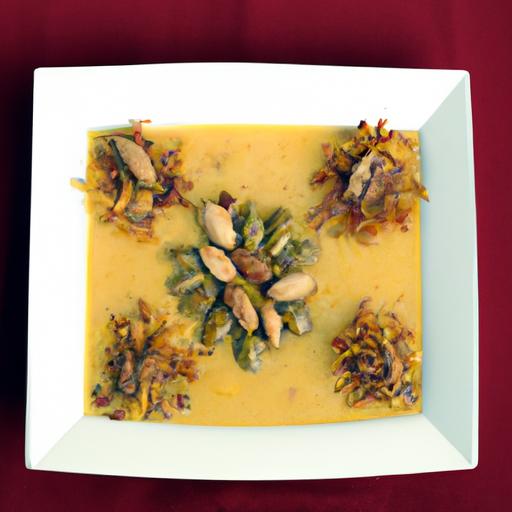

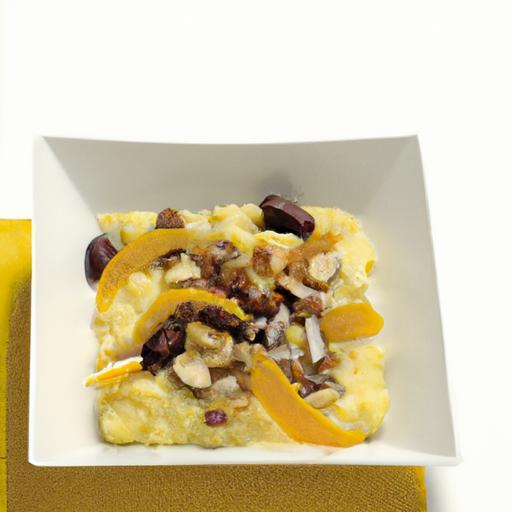
In teh sun-kissed kitchens of North Africa, where fragrant spices and ancient recipes mingle, a humble dessert reigns supreme: Mhalbi.This silky,fragrant pudding,steeped in centuries of tradition,is more than just a sweet treat-it’s a symbol of celebration,hospitality,and cultural heritage. From the bustling markets of Tunisia to the family gatherings in Algeria and Morocco, Mhalbi weaves a tapestry of flavors that tell stories of the region’s rich history. Join us as we uncover the magic behind North Africa’s beloved Mhalbi, exploring its origins, the secrets of its delicate readiness, and the timeless joy it brings to every table.
Mhalbi Magic unfolds when the aromatic whispers of cinnamon and rosewater dance with creamy, silky rice pudding-a beloved dessert cherished throughout North Africa. This luscious treat carries centuries of tradition, connecting generations with every spoonful. Originating from the Maghreb region, mhalbi embodies more than just flavor; it is a symbol of hospitality, festivity, and the warm embrace of family gatherings. Its velvet texture and fragrant spice blend make it a standout in the rich tapestry of North African sweets.
Prep and Cook Time
- Preparation: 10 minutes
- Cooking: 30 minutes
- Cooling/Setting: 2 hours
Yield
Serves 6-8 dessert lovers
Difficulty Level
Easy
The Ingredients and Aromatic Spices That Define Mhalbi’s Unique flavor
- 4 cups whole milk (for richness)
- 1/2 cup white rice flour (finely sifted)
- 3/4 cup granulated sugar
- 1 tbsp rosewater (authentic floral aroma)
- 1 tsp ground cinnamon (warm spice)
- 1 tbsp cornstarch (for thickening)
- 1/2 cup water
- Chopped pistachios and toasted almonds (for garnish)
- Edible rose petals (optional, for festive touch)
Step-by-Step Guide to Crafting Authentic Mhalbi at home
- Combine the rice flour and cornstarch: In a small bowl, mix the rice flour and cornstarch with the water until smooth and lump-free. This ensures a silky pudding base without grit.
- Heat the milk and sugar: Pour the whole milk into a medium saucepan and gradually stir in the sugar over medium heat. Warm until the sugar dissolves completely but do not let it boil.
- Incorporate the flour mixture: Slowly whisk the rice flour and cornstarch slurry into the warm milk, stirring continuously to prevent lumps.
- Simmer and thicken: Reduce heat to low and keep stirring gently for about 20-25 minutes.The mixture will thicken to a smooth, creamy consistency reminiscent of a soft pudding. Patience here brings perfection!
- Add aromatics: Stir in the rosewater and ground cinnamon carefully, teasing out that signature fragrant note pivotal to mhalbi magic.
- pour and chill: Transfer the pudding evenly into shallow serving dishes or ramekins.Allow to cool slightly, then refrigerate for at least 2 hours to set.
- garnish and serve: Just before serving, sprinkle chopped pistachios, toasted almonds, and edible rose petals on top for a visually stunning and textural contrast.
Tips for Success: Chef’s Notes
- Rice flour selection: Choose superfine rice flour for the smoothest texture. If unavailable, grinding rice at home in a coffee grinder works brilliantly.
- Sweetness adjustment: Feel free to adjust sugar depending on your palate. For a subtle,less-sweet version,reduce to 1/2 cup.
- Vegan alternative: Substitute whole milk with almond or oat milk, but expect a slightly thinner texture; increase rice flour by 1 tbsp to compensate.
- Rosewater intensity: Rosewater can be potent-start with 1 tsp if you’re new to the flavor, then increase next time to your liking.
- Setting tip: For a firmer set, leave mhalbi uncovered in the fridge overnight.
Pairing Mhalbi Magic with Traditional Teas and Festive Occasions
Embrace the full sensory experience by serving mhalbi alongside a steaming pot of refreshing Moroccan mint tea, its bright, citrusy mint perfectly balancing the sweet, creamy pudding. This pairing honors the North African ritual of hospitality where warm, fragrant desserts meet cooling, aromatic teas. Mhalbi is frequently enough the star at celebrations such as Eid, weddings, or family feasts-its simplicity and elegance evoking joy and connection.
Visually, serve the chilled pudding in delicate glass bowls to let its alabaster whiteness shine beneath vibrant gems of green pistachio and crimson rose petals.A small sprig of fresh mint or a dusting of cinnamon can further lift the presentation.
Nutritional Information per Serving
| Calories | Protein | Carbs | Fat |
|---|---|---|---|
| 150 | 5g | 28g | 3g |
For those curious about how mhalbi’s cultural origins stretch beyond simple sweetness,this page offers deeper insight into its ancient roots. Additionally, complement your dessert skillset with our detailed guide on Moroccan mint tea traditions to enhance your North African culinary journey.

Q&A
Q&A: Mhalbi Magic – Discovering North Africa’s Sweet Tradition
Q1: What is Mhalbi, and why is it considered a magical dessert in North African cuisine?
A1: Mhalbi is a silky, fragrant rice pudding that has enchanted taste buds across North Africa for centuries. Crafted from rice flour,sugar,milk,and delicately scented with rose or orange blossom water,this humble yet elegant dessert embodies the magic of tradition,blending simple ingredients into a creamy masterpiece that tells stories of family gatherings,festive celebrations,and cultural heritage.
Q2: How did Mhalbi originate, and what historical influences shaped its growth?
A2: Rooted in the crossroads of Mediterranean and Arab cultures, Mhalbi’s origins trace back to ancient North African kitchens where locals blended locally available staples with exotic spices imported through bustling trade routes. Its evolution reflects the region’s complex history-inviting influences from Berber, Arab, and Ottoman cuisines-resulting in a uniquely North African sweet that celebrates centuries of cultural exchange.
Q3: What makes mhalbi distinct from other rice puddings around the world?
A3: While many cultures boast rice puddings, Mhalbi stands out due to its delicate aroma of rose or orange blossom water, a hallmark of North African sweets. Its texture is lighter and silkier, often topped with crushed nuts like pistachios or almonds, and dusted with cinnamon, creating layers of sensory delight. The balance of floral notes and creamy richness crafts an experience both comforting and exotic.
Q4: When and how is Mhalbi traditionally served?
A4: Mhalbi shines brightest during special occasions-Ramadan, Eid celebrations, weddings, and family feasts-offering a sweet finale that unites loved ones. Traditionally chilled and set in small bowls or decorative cups, it is garnished with a sprinkle of cinnamon and a scattering of nuts, inviting guests to indulge in its cool, fragrant embrace after a savory meal.
Q5: Can Mhalbi be adapted for modern palates or dietary needs without losing its essence?
A5: Absolutely! Modern chefs and home cooks experiment by substituting dairy milk with almond or coconut milk to suit vegan diets, or by reducing sugar to create a lighter version without sacrificing flavor. Adding rose petals or edible gold leaf provides contemporary flair while honoring tradition.The magic of Mhalbi lies in its flexibility-an ancient recipe that continues to inspire creativity today.
Q6: Why is understanding and celebrating desserts like Mhalbi critically important in today’s global food scene?
A6: Delving into sweets like Mhalbi is more than tasting dessert-it’s savoring North Africa’s history, artistry, and communal spirit. In a globalized world, sharing such culinary treasures fosters cross-cultural appreciation and preserves rich traditions that might otherwise fade. Mhalbi invites us to experience the sweetness of heritage and the universal language of food that binds us all.
In Summary
As the final spoonful of Mhalbi melts away, we’re reminded that this humble dessert is much more than a simple treat-it’s a vibrant thread weaving together the rich tapestry of North African culture. From fragrant rosewater to the gentle hint of cinnamon, each bite carries centuries of tradition, celebration, and communal spirit.Whether enjoyed at a festive gathering or savored in quiet solitude, Mhalbi invites us to taste the magic of heritage and the sweetness of shared memories. In discovering this cherished delicacy, we don’t just satisfy our palate-we connect with a timeless story that continues to delight and inspire, one creamy spoonful at a time.