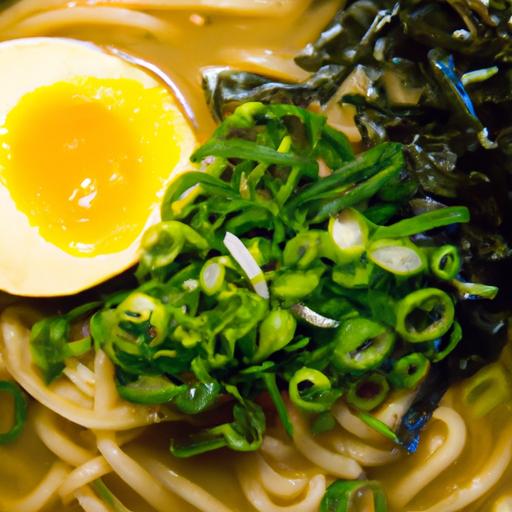

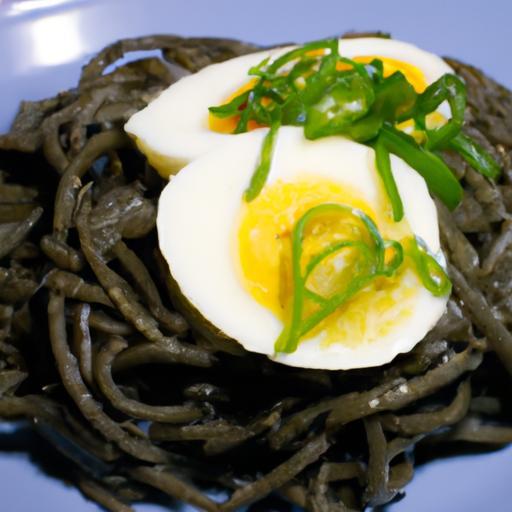
There’s something undeniably magical about a steaming bowl of ramen-its rich, savory broth, perfectly chewy noodles, and vibrant toppings come together to create an experience that warms the soul. While many savor this beloved Japanese dish at restaurants, crafting homemade ramen offers a deeper connection to its intricate flavors and comforting essence. in this flavorful journey through your kitchen, we’ll unravel the art of making ramen from scratch, exploring each step from simmering broth to hand-rolled noodles. Prepare to transform simple ingredients into a masterpiece that invites both creativity and culinary mastery, turning your home into a haven for authentic, soul-satisfying ramen.
Crafting Homemade Ramen: A Flavorful Journey in Your Kitchen begins with understanding the perfect harmony of broth, noodles, and toppings that transform a simple bowl into a soulful experience. The richness of the broth, the chew of handmade noodles, and the balance of carefully selected garnishes elevate every spoonful, inviting you into a world where tradition and creativity meet.
Prep and Cook Time
- Preparation: 1 hour 30 minutes (including dough resting and broth simmering)
- Cooking: 2 hours (main broth and noodle cooking)
Yield
- Serves 4 hearty bowls of ramen
Difficulty Level
- Medium – Advanced (Perfect for passionate home cooks eager to master authentic ramen)
Ingredients
-
- Broth Base:
- 4 lbs pork bones (preferably neck and trotters),blanched
- 1 onion,quartered
- 1 head garlic,halved crosswise
- 1 thumb-sized ginger,sliced thin
- 1 leek,cleaned and halved
- 6 cups water
- 2 cups chicken stock
- 3 dried shiitake mushrooms
- 1 sheet kombu (dried kelp),wiped clean
- ¼ cup soy sauce
- 2 tbsp sake
- 1 tbsp mirin
- Salt to taste
- Handmade Noodles:
- 3 cups all-purpose flour,sifted
- 1 tsp salt
- 1 cup warm water
- 1 tbsp kansui (alkaline water) or baking soda substitute
- Balanced toppings:
- 4 soft-boiled eggs,marinated in soy and mirin
- 200g chashu pork belly,thinly sliced
- 1 cup corn kernels,sautéed
- 4 green onions,finely sliced
- Bamboo shoots (menma),approximately ½ cup
- Nori seaweed sheets
- Pickled ginger (beni shoga),optional garnish
- Broth Base:
Instructions
-
-
- Prepare the Broth base: Start by blanching the pork bones in boiling water for 10 minutes to remove impurities. Drain and rinse bones thoroughly to prevent a cloudy broth.
- Simmer the Broth: In a large stockpot, combine blanched bones, onion, garlic, ginger, leek, dried shiitake, and kombu with 6 cups of water and 2 cups chicken stock. Slowly bring to a gentle boil, then reduce to a low simmer. skim scum regularly. Let simmer uncovered for 2 hours to deeply extract flavors,adding water if it reduces too much.
- Finish the Broth: Remove kombu after 30 minutes to avoid bitterness. Strain broth through a fine mesh, discard solids, then season with soy sauce, sake, mirin, and salt to taste. Keep hot until ready to serve.
- Make Handmade Noodles: In a bowl, dissolve salt and kansui in warm water. Gradually add this liquid to the flour, mixing with your hands until it forms a firm dough.
- Kneading and Resting: Turn dough onto a floured surface. knead vigorously for 10 minutes until elastic and smooth. Wrap tightly in plastic and rest for 30 minutes to 1 hour.
- Roll and Cut Noodles: Using a pasta roller or rolling pin, thin the dough evenly to about 1-2 mm thickness. Lightly dust with flour and cut into 3mm-wide strips for perfectly traditional ramen noodles.
- Cook Noodles: Boil a large pot of salted water,add noodles,and cook for 90 seconds to 2 minutes until al dente. Drain and briefly rinse in cold water to stop cooking, then drain well.
- Assemble the Ramen Bowls: Divide noodles among warmed ramen bowls. Pour in hot broth ensuring each bowl gets an even amount of flavorful liquid.
- Add Balanced Toppings: Artistically arrange soft eggs, chashu pork, sautéed corn, bamboo shoots, and green onions on top. Garnish with nori sheets and pickled ginger if desired for visual and flavor contrasts.
- Final Touch: Serve instantly, encouraging diners to enjoy the interplay of textures and layers of umami with every slurp.
-
Tips for Success
-
-
- For richer broth, roast the pork bones briefly before boiling to deepen colour and flavor.
- If kansui is unavailable, baking soda baked on a tray in the oven at 120°C (250°F) for 1 hour works well as a substitute.
- Allow your broth ample simmer time; patience here translates to complexity in the finished bowl.
- Use a pasta cutter or sharp knife to ensure noodles are uniform for even cooking and authentic texture.
- Make soft-boiled eggs a day ahead and marinate overnight for a deeper soy flavor.
- Store any leftover broth in the fridge and use within 3 days-or freeze for up to 1 month without losing richness.
-
serving Suggestions
Present your ramen in wide, shallow bowls to showcase the vibrant colors and textures. Garnish with a sprinkle of toasted sesame seeds and a drizzle of chili oil for a spicy kick. Pair with simple side dishes like gyoza dumplings or pickled vegetables to balance the meal. Light a scented candle or play traditional Japanese music to enhance the sensory experience, making every ramen night at home a memorable party.

| Nutrient | Per Serving |
|---|---|
| Calories | 550 kcal |
| Protein | 35 g |
| Carbohydrates | 60 g |
| Fat | 18 g |
Discover more about classic Japanese noodles and broths in our Japanese noodle Guide and deepen your ramen expertise.
For further reading on authentic broth-making techniques, visit Serious Eats,a trusted resource on culinary craftsmanship.
Q&A
Q&A: Crafting Homemade Ramen – A Flavorful Journey in Your Kitchen
Q1: Why should I make ramen at home instead of just buying instant noodles?
A1: Homemade ramen is a celebration of flavors and textures that instant noodles can’t replicate. From the rich, simmered broth to the tender noodles and fresh toppings, crafting ramen at home transforms a simple meal into an immersive culinary adventure. Plus, it allows you to customize every element to suit your taste and dietary preferences.
Q2: What are the essential components of traditional ramen?
A2: At its heart, ramen is composed of four key parts: the broth, the noodles, the tare (a seasoned sauce that gives the broth its distinctive flavor), and the toppings. The broth can be pork-based (tonkotsu),soy-based (shoyu),miso-based,or salt-based (shio). Complemented by chewy noodles and toppings like soft-boiled eggs, sliced pork, seaweed, and green onions, these layers create ramen’s legendary depth.
Q3: How much time does it realistically take to make ramen from scratch?
A3: Patience is part of the journey. Broth simmering can take anywhere from 2 to 8 hours to extract full flavor, especially if you’re using bones for richness. Noodles can be made fresh within 30 minutes to an hour.However, don’t worry-there are quicker methods and shortcuts, like using pre-made tare or broth concentrates, which still deliver satisfying results for busy cooks.
Q4: Can beginners successfully make ramen at home?
A4: Absolutely! While ramen might seem intimidating, breaking the process down into steps-broth, noodles, tare, toppings-makes it manageable. Start with simpler broths or use store-bought bases, practice making fresh noodles when ready, and gradually explore more complex techniques. each bowl you create will boost your confidence and culinary skills.
Q5: What kitchen tools do I need to embark on this ramen-making journey?
A5: A large stockpot for broth, a mixing bowl for noodles, a rolling pin or pasta machine if you’re making noodles from scratch, and a strainer are the main essentials. For toppings, a soft-boiled egg cooker and a sharp knife will come in handy. With these tools,you’re set to layer flavors like a ramen artisan.
Q6: How can I make my ramen unique and personalized?
A6: The beauty of homemade ramen is that it’s your canvas.Experiment with different broths-spicy, smoky, or infused with herbs. Create custom toppings: try pickled vegetables, mushrooms, or even tofu for a vegetarian twist. Play with noodle thickness or try gluten-free versions. Your ramen bowl becomes a delicious reflection of your creativity and palate.
Q7: What’s one key tip to elevate my homemade ramen from good to unforgettable?
A7: Mastering the tare is often the secret sauce. This concentrated seasoning blend adds umami depth and balances your broth perfectly. Whether it’s shoyu,miso,or a spicy blend,spend time crafting or selecting a tare that complements your broth. The right tare ties all elements together and transforms your bowl into a soulful, crave-worthy meal.Embarking on the path of homemade ramen is a rewarding blend of tradition, experimentation, and passion. With each simmer and slice, you’re not just making noodles-you’re savoring a story steeped in flavor and sharing it from your own kitchen.
The conclusion
As the final swirl of noodles settles into your handcrafted broth, you realize that making ramen at home is more than a cooking project-it’s a delicious voyage that brings tradition, creativity, and comfort together in a single bowl. Each step, from simmering the broth to arranging your favorite toppings, invites you to explore the rich tapestry of flavors that define this beloved dish.So, don your apron, embrace the process, and turn your kitchen into a ramen haven where every spoonful tells a story. With practice and passion, you’ll not only savor homemade ramen-you’ll master the art of creating a truly flavorful journey right on your plate.