
In a world where bold tastes often steal the spotlight, the subtle elegance of wholesome Asian flavors offers a refreshing embrace of health and harmony. From the vibrant markets of Thailand to the serene kitchens of Japan, traditional recipes showcase a delicious balance of fresh ingredients, fragrant herbs, and mindful cooking techniques that nourish both body and soul. This article invites you on a culinary journey through Asia’s rich tapestry of flavors-where every bite is a festivity of wellness,culture,and timeless taste. Discover how these delightful dishes can inspire your own healthy eating habits, transforming everyday meals into vibrant experiences of nourishment and joy.
Wholesome Asian Flavors come alive when we celebrate the nutritional richness packed within traditional ingredients like fresh herbs, vibrant vegetables, and lean proteins. These time-honored staples don’t just elevate taste-they nourish the body with antioxidants,essential vitamins,and minerals,creating a perfect harmony of flavor and wellness on your plate.
Prep and Cook Time
- Planning: 20 minutes
- Cooking: 25 minutes
- Total Time: 45 minutes
Yield
Serves 4
Difficulty Level
Medium
Ingredients
- 1 tbsp extra virgin sesame oil
- 2 cloves garlic, finely minced
- 1 tbsp fresh ginger, grated
- 1 medium red bell pepper, thinly sliced
- 1 cup baby bok choy, chopped
- 1 cup snap peas, trimmed
- 200g (7 oz) skinless chicken breast, thinly sliced
- 2 tbsp low-sodium soy sauce
- 1 tsp toasted sesame seeds
- 1/4 cup fresh cilantro, chopped
- 1/4 cup fresh Thai basil, gently torn
- 1 tsp honey or maple syrup
- 1 tsp freshly cracked black pepper
- 1 tbsp lime juice
- Cooked jasmine or brown rice for serving (optional)
Instructions
- Heat the sesame oil in a large non-stick skillet or wok over medium-high heat.
- Add the minced garlic and grated ginger, sautéing until fragrant and golden, about 1 minute. Be careful not to burn.
- Introduce the thinly sliced chicken breast. Stir-fry until the chicken is nearly cooked through-about 5-7 minutes-keeping pieces evenly spaced so they brown lightly.
- Toss in the red bell pepper, baby bok choy, and snap peas. Sauté for another 4-5 minutes,stirring regularly to maintain a crisp-tender texture in the veggies.
- Pour in the low-sodium soy sauce and drizzle the honey or maple syrup. Stir well to coat the chicken and vegetables, allowing a light caramelized glaze to build.
- Remove from heat and gently fold in the fresh cilantro, Thai basil, lime juice, and cracked black pepper.
- Sprinkle toasted sesame seeds on top for crunch and serve immediately over warm jasmine or brown rice for a complete meal.
Chef’s Notes
- Herb Swaps: Feel free to substitute Thai basil with mint or even culantro for a different but equally fresh aroma.
- Make it vegetarian: Swap chicken for firm tofu or tempeh for a plant-based protein boost.
- Control sodium: Use tamari or coconut aminos instead of soy sauce for lower sodium alternative without sacrificing umami.
- Make-Ahead Tip: Prep all vegetables and slice protein ahead of time to cut cooking duration down on busy days.
- Extra zing: Add a pinch of crushed red pepper flakes during cooking for subtle heat that complements sweet and savory notes.
Serving Suggestions
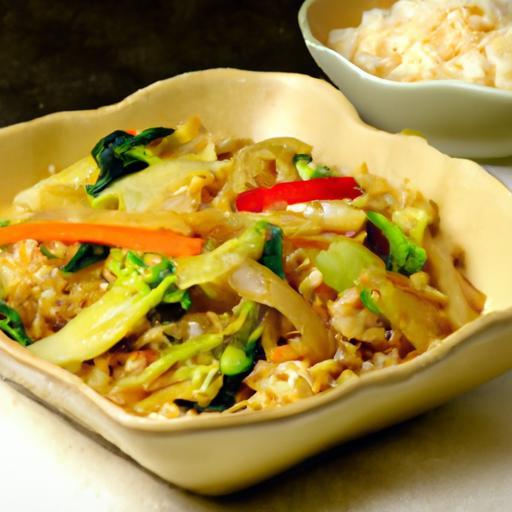
Serve this vibrant stir-fry straight from the wok or lay it beautifully over a bowl of steaming brown rice. Garnish with an additional sprinkle of toasted sesame seeds and a wedge of lime on the side. A small bowl of tangy pickled cucumbers or a light miso soup can round out this clean-eating feast.
| Nutrient | Per Serving |
|---|---|
| Calories | 320 kcal |
| Protein | 38 g |
| Carbohydrates | 14 g |
| Fat | 9 g |
Explore more delicious Wholesome Asian Flavors and discover ways to nourish your body with vibrant ingredients.
For further insight into the health benefits of traditional Asian herbs and spices, visit the National Institutes of Health.

Q&A
Q&A: Wholesome Asian Flavors – Delicious Recipes for Healthy Eating
Q1: What makes Asian cuisine particularly wholesome and healthy?
A1: Asian cuisine celebrates the harmony of fresh,vibrant ingredients like leafy greens,aromatic herbs,spices,and fermented foods. Its emphasis on balance-think colorful veggies, lean proteins, and light sauces-creates meals that are both nutrient-dense and deeply satisfying. Unlike heavy,processed dishes,Asian cooking often relies on steaming,stir-frying,and raw preparations that preserve vitamins and minerals.
Q2: How can I incorporate authentic Asian flavors into my healthy cooking without spending hours in the kitchen?
A2: The magic of Asian cooking lies in its simplicity and the power of a few key ingredients. Stock your pantry with essentials like ginger, garlic, soy sauce or tamari, sesame oil, rice vinegar, and chili flakes. With these, you can whip up speedy stir-fries, refreshing noodle bowls, or light soups. Many recipes can be prepared in 30 minutes or less, making wholesome Asian meals perfect for busy days.
Q3: Are there particular Asian cuisines or dishes known for thier health benefits?
A3: Absolutely! Japanese cuisine,with its reliance on seafood,seaweed,and fermented products like miso,is famed for its longevity secrets. Vietnamese dishes often feature fresh herbs and light broths, promoting digestion and vitality. Thai food balances spicy, sweet, sour, and salty flavors using fresh produce and herbs, creating antioxidant-rich meals. dishes like steamed dumplings, tofu stir-fries, and fresh spring rolls deliver nourishment without heaviness.
Q4: can Asian flavors support specific dietary needs like gluten-free, vegetarian, or low-carb diets?
A4: Yes! Asian cuisine is incredibly adaptable. Gluten-free eaters can opt for tamari instead of soy sauce and enjoy rice or rice noodles. Vegetarians and vegans benefit from the wide use of tofu, tempeh, mushrooms, and crunchy vegetables, paired with umami-rich broths. For low-carb plans, zoodles (zucchini noodles), shirataki noodles, and stir-fried greens shine. The diverse palette of Asian ingredients makes customizing dishes straightforward and delicious.
Q5: what are some simple, healthy Asian recipes beginners can try at home?
A5: Start with these crowd-pleasers:
- Miso soup with Tofu and seaweed: A warming, probiotic-rich broth perfect for any season.
- Vietnamese Fresh spring Rolls: Packed with herbs,crisp veggies,shrimp or tofu,and a tangy peanut dipping sauce.
- stir-Fried Bok Choy with Garlic and Sesame: Speedy to make and full of crunch and flavor.
- Chicken Teriyaki with Brown Rice: Lean protein glazed with a lightly sweet sauce, balanced by whole grains.
- Thai Mango Salad: A refreshing combo of mango, chili, lime, and crushed peanuts for a tangy, spicy bite.
Q6: How do Asian cooking techniques contribute to healthy eating?
A6: Techniques like steaming, stir-frying, blanching, and fermenting help retain nutrients and reduce unhealthy fats. As an example, stir-frying quickly cooks vegetables and proteins over high heat, preserving crunch and flavor without the need for heavy oils. Fermentation, seen in kimchi and miso, enhances gut health. these methods align with wholesome eating by focusing on freshness and nutritional integrity.
Q7: Where can I find inspiration and reliable recipes for wholesome Asian cooking?
A7: Explore cookbooks dedicated to Asian healthy eating, follow culinary experts who specialize in plant-forward Asian dishes, and browse food blogs focused on authentic, nutritious recipes. Don’t hesitate to experiment with local Asian markets-they’re treasure troves of unique produce and spices that can ignite your creativity. And remember,cooking with intention and curiosity is half the recipe for success!
Dive into the vibrant world of wholesome Asian flavors,where each dish is a celebration of health,taste,and tradition. Your journey to delicious, nutritious meals starts with one bite!
The Way Forward
As we’ve journeyed through the vibrant world of wholesome Asian flavors, it’s clear that healthy eating doesn’t mean sacrificing taste or excitement. These recipes celebrate the harmony of fresh ingredients, bold spices, and time-honored techniques that nourish both body and soul. Whether you’re seeking inspiration for a weeknight dinner or a mindful way to connect with culture through cooking, embracing these delicious dishes opens the door to a vibrant, balanced lifestyle. So go ahead-explore, experiment, and savor every bite of these wholesome Asian flavors, knowing that health and happiness can truly coexist on your plate.