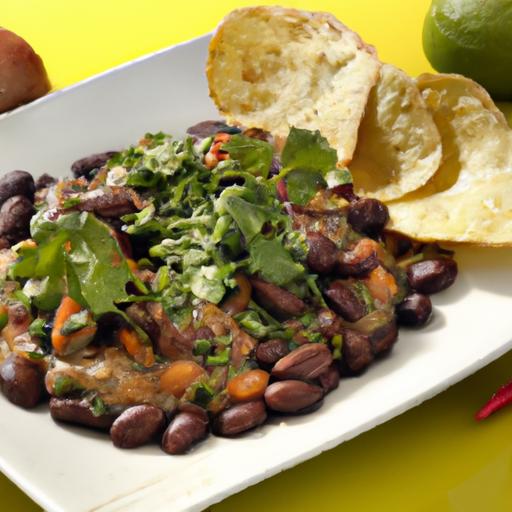

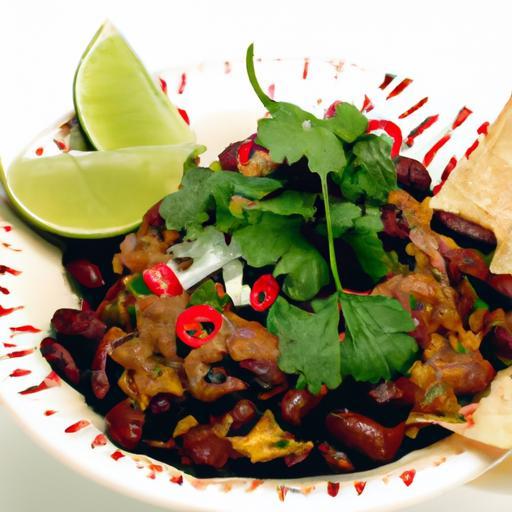
Beneath the humble exterior of refried beans lies a dish rich in history, culture, and flavor-a staple that has quietly woven itself into the culinary tapestry of countless tables around the world. Often overlooked or relegated to a side role, refried beans carry stories that stretch back centuries, embodying traditions and techniques passed down through generations. in this article, we will peel back the layers of this beloved comfort food, exploring its fascinating origins, unraveling the secrets of its perfect recipe, and unlocking the flavors that make it a timeless classic. Prepare to rediscover refried beans-not just as an accompaniment, but as a star in their own right.
Refried beans have long been a cornerstone of Mexican cuisine, celebrated for their rich texture and comforting flavors. This humble yet versatile dish travels through centuries, originating from indigenous Mesoamerican cultures who cultivated beans as a dietary staple. Unlike what the name suggests, “refried” is derived from the Spanish frijoles refritos, meaning “well-fried,” emphasizing the cooking technique rather then multiple frying. From rustic village tables to bustling urban kitchens, refried beans embody tradition and innovation alike, inviting cooks to explore their culinary legacy right at home.
Prep and Cook Time
Preparation: 15 minutes | Cooking: 45 minutes | Total: 1 hour
Yield
Serves 4 generous portions
Difficulty Level
Easy to Medium – perfect for home cooks seeking authenticity with minimal fuss
Ingredients
- 1 1/2 cups dried pinto beans, rinsed and soaked overnight
- 4 cups water (or low-sodium vegetable broth for extra depth)
- 3 tablespoons lard or vegetable oil (conventional lard recommended for authentic flavor)
- 1 medium white onion, finely chopped
- 2 cloves garlic, minced
- 1 teaspoon ground cumin
- Salt, to taste
- Freshly ground black pepper, to taste
- Optional: 1 jalapeño pepper, finely chopped for subtle heat
- Fresh cilantro, chopped, for garnish
- 1 lime wedge, for serving
Instructions
- soak and Cook the Beans: drain soaked beans and place them in a large pot with 4 cups of fresh water or broth.Bring to a boil, then reduce to a simmer, partially covered, cooking until tender – about 1 to 1 1/4 hours. Skim any foam from the surface. Test beans for doneness by mashing one between your fingers; it should be soft.
- Prepare the Aromatics: While beans cook, heat lard or oil in a heavy skillet over medium heat. Add the chopped onion and sauté until translucent and lightly golden, about 7 minutes. Stir in garlic and jalapeño (if using),cooking 1 more minute until fragrant.
- Combine and Mash: Using a slotted spoon, transfer the cooked beans to the skillet with the aromatics, reserving some cooking liquid. Begin mashing gently with a potato masher or fork. Add small amounts of reserved liquid to achieve your ideal creamy consistency – neither too dry nor soupy.
- Season and Fry: Stir in cumin, salt, and pepper. Continue cooking and stirring over medium-low heat for 8-10 minutes,letting the mash develop a luscious,slightly caramelized crust on the bottom (known as the socarrat),stirring frequently enough to prevent burning.
- Final Taste and serve: Adjust seasoning as needed. Serve hot, garnished with fresh cilantro and a squeeze of lime juice to brighten the flavors.
Tips for Success
- Soaking beans overnight substantially reduces cooking time and enhances digestibility.
- For a quicker method, use canned pinto beans-rinse them well to remove excess sodium, then mash directly after sautéing your aromatics.
- Lard is traditional for its silky texture and depth, but high-quality olive or avocado oil work as excellent vegetarian options.
- Mashing consistency: For chunkier refried beans, mash gently; for smooth, use a blender or immersion blender with small amounts of liquid.
- Don’t rush the frying step: The flavor intensifies when beans are “fried” slowly, allowing their natural sugars to caramelize.
- Make-ahead tip: Refried beans taste even better the next day. Store in an airtight container and reheat gently with a splash of broth or water.
Serving suggestions
Refried beans are a star player in any meal or snack repertoire. Serve them alongside warm corn tortillas and freshly shaved queso fresco for a traditional experience. They pair beautifully with grilled meats, especially juicy carne asada or roasted chicken.For a vegetarian boost, dollop atop nachos, burritos, or a hearty vegetable bowl. Garnish generously with chopped cilantro, a sprinkle of smoked paprika or drizzle of chipotle salsa to elevate the flavor profile. Don’t forget a wedge of lime to add a zesty, fresh finish that brightens the creamy richness.

Unlocking Flavor: Traditional Ingredients and Innovative Twists
The soul of refried beans lies in its simple ingredients – beans, fat, and seasoning – but creative cooks have long been exploring variations that bring new dimensions. Try stirring in a splash of smoky chipotle adobo for warmth, or finish with crumbly cotija cheese for texture contrast. Adding sautéed onions caramelized in brown sugar or a touch of Mexican oregano introduce layers of sweet-earthy notes. For a fusion twist, experiment by folding in Mexican crema or sharp cheddar cheese straight from the skillet for indulgently creamy beans that no one will forget.
| Nutrient | Per Serving |
|---|---|
| Calories | 230 kcal |
| Protein | 14 g |
| carbohydrates | 35 g |
| Fat | 6 g |
For more authentic Mexican staples to complement your refried beans, explore our detailed guide on making classic guacamole. To dive deeper into the cultural history of beans across the Americas, visit this Smithsonian article.
Q&A
Q&A: Refried Beans Unveiled – History, Recipe, and flavor Secrets
Q1: What exactly are refried beans? Are they actually fried twice?
A1: Despite their name, refried beans aren’t fried twice.The term “refried” is a slight mistranslation from the Spanish “frijoles refritos,” which actually means “well-fried beans.” Traditionally, cooked beans are mashed and then fried in fat (like lard or oil) to develop a creamy texture and rich flavor. so, they’re lovingly pan-fried once, but the name makes it sound like a culinary echo!
Q2: Where did refried beans originate?
A2: Refried beans have deep roots in Mexican cuisine, dating back to pre-Columbian times when indigenous peoples cultivated beans as a staple food. The method of mashing and frying beans was refined over centuries, becoming a beloved comfort dish across Mexico and the Southwest United States. It’s a timeless example of simplicity meeting soulful flavor.
Q3: What kind of beans are typically used for refried beans?
A3: The most common beans for refried beans are pinto beans in the northern regions of Mexico and the Southwestern U.S., and black beans in the southern parts of Mexico and Central america. Both types offer creamy interiors when cooked, perfect for mashing and frying to that silky consistency everyone loves.Q4: Can refried beans be made vegetarian or vegan?
A4: Absolutely! The traditional fat used frequently enough comes from lard, but you can easily substitute vegetable oil, olive oil, or vegan butter to keep it plant-based. Adding sautéed onions,garlic,and spices creates that classic depth of flavor without any animal products.
Q5: What are some flavor secrets to take refried beans from good to unforgettable?
A5: The magic lies in layering flavors and textures. Start with perfectly cooked beans-soft but not mushy. Use a flavorful fat, infuse it with sautéed onions, garlic, and a sprinkle of cumin or smoked paprika. A splash of broth or bean cooking liquid helps achieve a luscious creaminess. Finish with a squeeze of fresh lime or a handful of chopped cilantro for brightness. Lastly, a pinch of chili powder adds subtle warmth-each step builds a love letter to your taste buds.
Q6: How can I serve refried beans beyond the classic side dish?
A6: Refried beans are wonderfully versatile! Use them as a base for layered dips, spread them on tostadas, stuff into burritos or quesadillas, or dollop atop a grilled veggie bowl. They also make an excellent hearty filling for stuffed peppers or savory crepes. Their creamy texture and savory depth can elevate just about any dish.
Q7: Any tips for storing and reheating refried beans?
A7: Store refried beans in an airtight container in the fridge for up to 4 days, or freeze for longer preservation. When reheating, add a small splash of water or broth to loosen the beans as they tend to thicken when cold. warm gently on the stove or microwave, stirring frequently enough to keep that silky smooth texture intact.
Q8: What’s the cultural importance of refried beans?
A8: Refried beans are more than just food; they’re a symbol of home and heritage for many Mexican and Mexican-American families. They embody resourcefulness-transforming humble beans into a comforting, filling staple. They appear on tables for daily meals and festive occasions alike, a tasty reminder of tradition and community.
Discovering refried beans is a journey through history, culture, and savory deliciousness in every creamy spoonful.Whether you’re cooking them from scratch or enjoying a classic bowl, you’re savoring a centuries-old culinary treasure.
Final Thoughts
As we wrap up our journey into the rich world of refried beans, it’s clear that this humble dish carries far more than just flavor-it carries history, culture, and tradition simmering in every spoonful. From its hearty roots in ancient Mesoamerican cuisine to the sizzling skillet on your stove, refried beans invite us to savor simplicity elevated by technique and time-tested secrets. Whether you’re a seasoned cook or a curious foodie, cracking the code behind these creamy, smoky beans opens up a whole new appreciation for a true culinary classic. So next time you dip your chip or ladle a serving onto your plate, remember: refried beans are more than a side-they’re a story waiting to be tasted.