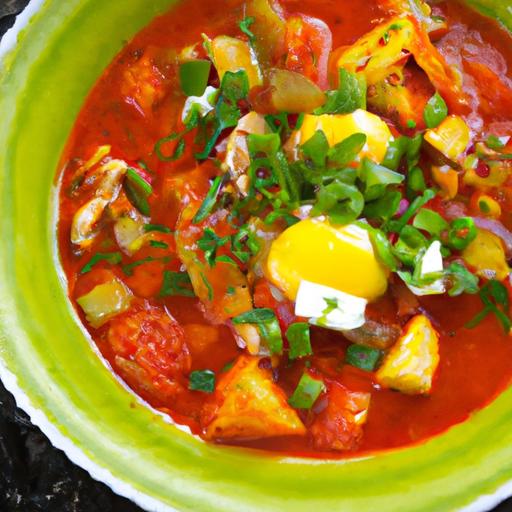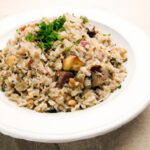

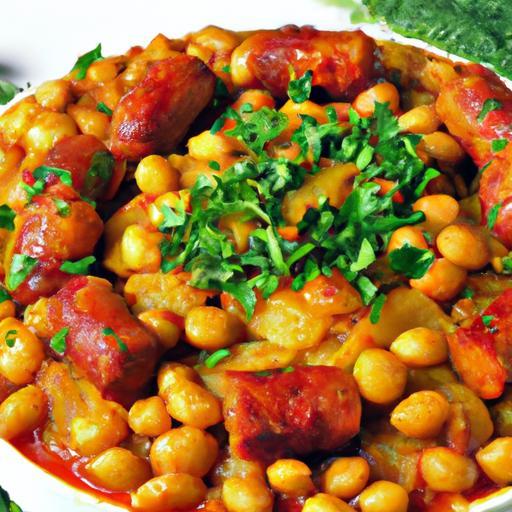
In the heart of Algeria’s vibrant culinary tapestry lies a dish steeped in history, culture, and irresistible flavor-Chakhchoukha. More than just a meal, this savory traditional delight tells a story of ancient Berber roots, communal feasts, and the rich diversity of Algerian gastronomy.Frequently enough enjoyed during festive gatherings and special occasions, Chakhchoukha captivates with its tender pieces of thin, torn flatbread soaked in a fragrant, spicy stew brimming with meat and vegetables.Join us as we unveil the secrets behind this beloved dish, exploring its origins, preparation, and the cultural importance that makes Chakhchoukha a true emblem of Algeria’s culinary heritage.
Chakhchoukha Unveiled: Algeria’s Savory Traditional Delight is not just a meal-it’s a rich culinary story brimming with the vibrant soul of Algerian heritage. Originating from the high plateaus and Saharan regions of Algeria, chakhchoukha embodies warmth, community, and tradition. This hearty dish, with shredded flatbread steeped in a spiced stew, has been passed down through generations, celebrated at family gatherings and festive occasions. Its unique texture and deeply comforting flavors make it an unforgettable experience for both novice cooks and seasoned food lovers.
Prep and Cook Time
- preparation: 30 minutes
- Cooking: 1 hour 15 minutes
- Total Time: 1 hour 45 minutes
Yield
Serves approximately 6 generous portions
Difficulty Level
Medium – Perfect for home cooks ready to explore traditional Algerian cuisine with some hands-on preparation.
Key Ingredients for Authentic Flavor
- For the Bread (Rougag or Kesra):
- 2 cups all-purpose flour, sifted
- ½ teaspoon salt
- ¾ cup warm water (adjust as needed)
- 1 tablespoon olive oil
- For the Stew:
- 2 tablespoons olive oil
- 1 lb lamb or beef, cut into bite-size cubes
- 1 large onion, finely chopped
- 3 garlic cloves, minced
- 2 medium tomatoes, pureed or grated
- 2 medium carrots, sliced thin
- 1 cup dried chickpeas, soaked overnight and drained
- 2 dried red chilies (optional for mild heat)
- 1 teaspoon ground cumin
- 1 teaspoon paprika
- ½ teaspoon turmeric powder
- ½ teaspoon ground cinnamon
- Salt and freshly ground black pepper to taste
- 4 cups beef or lamb broth (or water)
- Handful of fresh parsley and coriander, chopped
Step-by-Step Preparation Techniques for Authentic Flavor
- Prepare the bread dough: In a large bowl, mix flour and salt. Gradually add warm water and olive oil, kneading until a soft, pliable dough forms. Cover and let rest for 30 minutes.
- Cook the stew base: Heat olive oil in a heavy-bottomed pot over medium heat. Sauté onions and garlic until translucent, about 5 minutes.
- Brown the meat: Add the lamb or beef cubes and cook until golden on all sides, about 8 minutes.
- Add spices and tomatoes: Stir in cumin, paprika, turmeric, cinnamon, salt, and pepper. Pour in the pureed tomatoes, cook until the oil begins to separate, about 5 minutes.
- Add vegetables and chickpeas: Add carrots, soaked chickpeas, and dried chilies. Stir well to combine.
- Simmer the stew: Pour in broth, bring to a boil, then reduce heat and let simmer gently, covered, for 1 hour or until meat and chickpeas are tender.
- Meanwhile,cook the bread: Divide dough into medium balls. On a floured surface, roll each into thin rounds (~¼ inch). Cook on a dry skillet over medium-high heat, about 2 minutes per side, until golden spots form.
- Shred the bread: Once cooled slightly, tear the bread into bite-sized pieces by hand – the characteristic chakhchoukha texture.
- assemble the dish: Place shredded bread in a large serving bowl. Ladle hot stew over it, allowing the bread to soak and absorb the rich sauce.
- Garnish and serve: Sprinkle with fresh parsley and coriander for a vibrant finish.
Tips for Success
- Stew consistency: The sauce should be thick but not dry-if it’s too watery,simmer uncovered to reduce; too thick,add broth sparingly.
- Bread varieties: You can substitute with store-bought thin flatbreads or homemade pita for convenience,but fresh rougag is ideal.
- Make-ahead: The stew benefits from resting overnight in the fridge to deepen flavors; gently reheat before serving.
- Meat substitutions: Try chicken or keep it vegetarian by increasing chickpeas and adding roasted squash or eggplant.
Serving Traditions and Pairing suggestions to Elevate Your Experience
Traditionally, chakhchoukha is a communal dish shared from a large platter, emphasizing hospitality and togetherness. Serve alongside a crisp Algerian salad or a refreshing cucumber and mint yogurt dip to balance the richness.Pair with a robust glass of dry red wine or a sweet, mint-infused tea to round out the meal.
Regional Variations and Modern Twists on Algeria’s Beloved Classic
Across algeria, subtle shifts distinguish chakhchoukha styles. In the Aurès region, a spicier punch with additional dried chilis is favored, while the Constantine area leans toward lighter, aromatic preparations with more herbs. Contemporary chefs experiment by replacing traditional meat with slow-roasted lamb shoulder or even seafood, adapting this heritage dish to modern palates without losing its soul.
| Nutrient | Per Serving |
|---|---|
| Calories | 480 kcal |
| Protein | 32 g |
| Carbohydrates | 42 g |
| Fat | 15 g |

For further exploration of Algerian culinary traditions and spices, visit Encyclopedia Britannica’s Algerian cuisine overview.
Q&A
Q&A: Chakhchoukha Unveiled – Algeria’s Savory Traditional Delight
Q1: What is Chakhchoukha?
A1: Chakhchoukha is a beloved traditional Algerian dish, often described as a warm, savory celebration on a plate. It consists of torn pieces of thin, flaky flatbread mixed with a rich, aromatic stew brimming with tender meat, usually lamb or beef, simmered with tomatoes, chickpeas, and a symphony of spices. It’s comfort food with history, culture, and flavor woven into every bite.
Q2: Where does Chakhchoukha originate from?
A2: This mouthwatering dish hails from the heart of Algeria, especially popular in the eastern regions like Constantine and Batna. It has roots deeply embedded in Berber and Arab culinary traditions, passed down through generations as a staple during festivities, family gatherings, and communal celebrations.
Q3: What makes Chakhchoukha unique compared to othre Algerian dishes?
A3: Unlike many Algerian dishes that center around couscous or rice, Chakhchoukha stands out by blending torn flatbread-called “rougag” or “khobz rghiif”-into a hearty stew. This melding of bread and stew creates a distinctive texture and flavor profile, combining the softness of soaked bread with the spiced, meaty richness of the sauce, offering a comforting and layered dining experience.
Q4: What spices and ingredients define Chakhchoukha’s flavor?
A4: The magic lies in its spice mix: fragrant cumin, smoky paprika, earthy coriander, a hint of cinnamon, and often a dash of harissa for heat. Chickpeas add nuttiness and body, while tomatoes bring acidity to balance the richness. The stew’s slow cooking allows all these elements to meld into a fragrant, deeply satisfying harmony.
Q5: How is Chakhchoukha traditionally prepared and served?
A5: Preparation is an art form. Frist, thin flatbreads are baked, then torn by hand into bite-sized pieces. meanwhile, the stew simmers slowly, coaxing out tender meat and vibrant flavors.Just before serving, the bread pieces are soaked in the stew, transforming them into a luscious, sauce-infused bed. It’s usually served in large communal dishes, inviting sharing and conviviality-eating with hands is common, enhancing the connection to the food and tradition.
Q6: When is Chakhchoukha typically enjoyed in Algeria?
A6: often featured at special occasions such as weddings, religious holidays like Eid, and family reunions, Chakhchoukha carries connotations of celebration and togetherness. Yet, it’s also enjoyed as a hearty everyday meal during colder months, cherished for its comforting warmth and satisfying depth.
Q7: Can Chakhchoukha be adapted for modern or vegetarian diets?
A7: Absolutely! While traditionally meat-heavy, inventive cooks have crafted vegetarian versions by substituting meat with mushrooms, root vegetables, or legumes. The essence remains: the marriage of spiced stew and flaky bread. Contemporary chefs experiment with presentation and ingredients, keeping the soul of Chakhchoukha alive while inviting new palates to savor this Algerian treasure.
Q8: Why should readers outside Algeria try Chakhchoukha?
A8: Chakhchoukha is more than a dish-it’s a cultural narrative that invites you to experience Algerian hospitality, history, and culinary artistry. Its rich flavors and communal spirit offer a sensory journey into a world where food connects people, celebrates heritage, and turns meals into memories. For any food lover eager to explore the heart of North African cuisine, Chakhchoukha is a savory delight not to be missed.
Insights and Conclusions
As the final grains of semolina dissolve and the rich, aromatic broth lingers on the palate, Chakhchoukha reveals itself not just as a dish, but as a vibrant tapestry woven from Algeria’s history, culture, and communal spirit. This savory delight invites both locals and curious wanderers to savor a meal that transcends mere nourishment, offering a flavorful journey into the heart of Algerian tradition. Whether shared at a bustling family gathering or discovered in a humble village kitchen, Chakhchoukha remains a timeless testament to the country’s culinary heritage-an edible story waiting to be told, one bite at a time.