
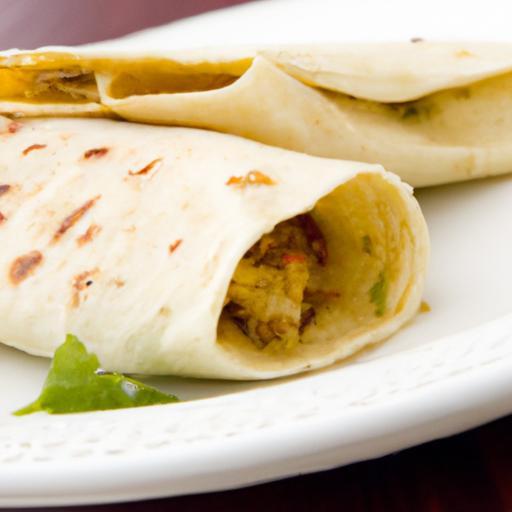
Imagine biting into a warm, soft tortilla that wraps your favorite fillings with effortless grace-now picture that same tortilla entirely gluten-free, crafted with care and simplicity right in your own kitchen. Whether you’re navigating gluten sensitivities or simply exploring healthier alternatives, mastering the art of gluten-free tortillas opens up a world of appetizing possibilities. In this guide, we’ll break down an easy, reliable recipe that transforms humble ingredients into perfect, pliable tortillas. Say goodbye to store-bought limitations and hello to homemade goodness that’s as satisfying as it is nourishing.Let’s embark on this culinary journey to craft the perfect gluten-free tortilla, one simple step at a time.
Crafting perfect gluten-free tortillas begins with thoughtfully selecting flours that ensure softness and flexibility-qualities essential for any tortilla that folds without cracks.Unlike conventional wheat flour, gluten-free flours vary in texture and behavior, influencing dough consistency and cooking results. Embracing the right blend transforms these tortillas into irresistibly pliable creations that rival their wheat counterparts.
choosing the Right Gluten-Free Flours for Soft and Flexible Tortillas
Begin with a balance of moisture-absorbing and elastic flours. White rice flour offers a mild flavor and fine texture, while tapioca starch adds chewiness and stretch, crucial for preventing breakage. Almond flour introduces a tender crumb and subtle nuttiness,enhancing aroma and taste. Combining these with a small amount of potato starch or cornstarch helps retain moisture, keeping tortillas supple after cooking. Avoid single-flour recipes – a mix is key for that coveted softness.
mastering the Dough: Tips for Perfect Texture and Consistency
The magic of gluten-free tortillas lies in the dough’s moisture and kneading technique. Start with warm water infused with a pinch of salt to hydrate the flours evenly. Mix untill a slightly sticky, soft dough forms. Resist adding too much flour during rolling-it can dry the dough and cause cracks. Resting the dough for at least 20 minutes under a damp towel allows flours to fully hydrate, making rolling smoother and the final texture silkier. Use a rolling pin dusted lightly with flour and roll gently into thin circles, aiming for a uniform thickness.
Essential Cooking Techniques to Avoid Cracking and Enhance Flavor
Cook tortillas on a hot, dry skillet over medium-high heat to quickly seal moisture inside. Each side only needs 30-45 seconds, until lightly golden spots appear. Press gently with a spatula while cooking to promote even contact without flattening the softness. Avoid overcooking or flipping multiple times-this dries them out and encourages cracking. For enhanced flavor, finish by briefly warming wrapped tortillas in a clean kitchen towel post-cooking, allowing steam to keep them pliable. A hint of butter or oil brushed on immediately after cooking adds subtle richness and sheen.
Creative Serving Suggestions to Elevate Your Gluten-Free tortilla Experience
Serve your freshly crafted gluten-free tortillas with vibrant fillings to highlight their tender texture. Try cumin-spiced grilled chicken with fresh avocado slices and tangy pico de gallo for a classic twist. Layer black beans, melted Oaxaca cheese, and sautéed peppers for a vegetarian delight. Garnish with chopped cilantro, a sprinkle of crumbled cotija cheese, or a drizzle of lime crema to elevate presentation and flavor. For an inventive snack, roll warm tortillas around smoked salmon, cream cheese, and fresh herbs-an effortlessly elegant appetizer. Pair with luminous salsas and pickled vegetables to complement their light,pliable nature.
Prep and cook Time
- Planning: 15 minutes
- Resting: 20 minutes
- Cooking: 15 minutes
- Total Time: 50 minutes
Yield
8 medium-sized gluten-free tortillas
Difficulty Level
Easy to Medium
Ingredients
- 1 cup white rice flour
- 1/2 cup tapioca starch
- 1/4 cup almond flour
- 2 tbsp potato starch
- 1 tsp xanthan gum
- 1 tsp baking powder
- 1/2 tsp salt
- 3/4 cup warm water (approximately)
- 2 tbsp olive oil (plus extra for cooking)
Instructions
- Mix dry ingredients: In a large bowl, whisk together white rice flour, tapioca starch, almond flour, potato starch, xanthan gum, baking powder, and salt until evenly combined.
- Add moisture: Slowly pour warm water and olive oil into the dry mixture. Stir with a wooden spoon or your hands until a sticky, cohesive dough forms. If too dry, add water 1 tbsp at a time; if too sticky, dust with a little rice flour.
- Rest dough: Cover the bowl with a damp cloth and let rest for 20 minutes. This step hydrates the flours and improves elasticity.
- Divide and roll: Divide the dough into 8 equal pieces and roll each into a ball. Lightly dust a clean surface and rolling pin with rice flour and roll each ball into a roughly 6-7 inch thin circle. Aim for even thickness to ensure uniform cooking.
- Heat skillet: Preheat a dry,heavy-bottomed skillet or cast iron pan over medium-high heat until hot but not smoking.
- Cook tortillas: Place one tortilla on the skillet. Cook for 30-45 seconds or until the underside has golden spots. Flip and cook the other side for another 30 seconds. Press gently with a spatula but avoid flattening.
- Keep warm: Transfer cooked tortillas to a towel-lined plate and wrap to retain moisture. Brush lightly with olive oil or butter if desired.
- Repeat: Continue with remaining dough balls,adjusting heat as necessary to avoid burning.
Chef’s Notes & Tips for Success
- For more pliability, substitute almond flour with oat flour or add a teaspoon of apple cider vinegar to improve dough elasticity.
- If dough sticks excessively to the rolling pin,press lightly and turn frequently rather then adding excessive flour.
- Store cooled tortillas in an airtight container or plastic wrap. Reheat on a skillet wrapped in a damp towel to restore softness.
- Experiment with adding finely chopped herbs or spices directly into the dough for an aromatic twist.
- For a grain-free option, swap rice flour for sorghum flour but adjust water quantities accordingly.
Serving Suggestions
Pair these soft, flexible tortillas with grilled meats, roasted vegetables, or as the base for vibrant tacos and wraps. Garnish with chopped fresh cilantro, lime wedges, and a dollop of creamy guacamole.For a decadent dessert option, spread with nut butter and honey, then roll tightly and slice into pinwheels.
| Nutrient | Per Tortilla |
|---|---|
| Calories | 110 kcal |
| Protein | 2.3 g |
| Carbohydrates | 18 g |
| Fat | 3.5 g |
Explore more about gluten-free flour options to deepen your understanding of different flour properties and health benefits.
Looking to expand your gluten-free baking skills? Check out our Gluten-Free Bread Recipes for more inspiring, soft, and tender breads made with gluten-free flours.

Q&A
Q&A: Crafting Perfect Gluten-Free Tortillas – A Simple Recipe Guide
Q1: Why choose gluten-free tortillas over traditional ones?
A: whether you’re gluten-sensitive, have celiac disease, or simply want to explore diverse culinary options, gluten-free tortillas offer a delicious and safe option. They open doors to a world of flavors without compromising texture or taste.Q2: What’s the secret to achieving soft, pliable gluten-free tortillas?
A: The magic lies in the right blend of gluten-free flours-frequently enough a mix of rice flour, tapioca starch, and sometimes almond or coconut flour-combined with a little xanthan gum or psyllium husk to mimic gluten’s binding power. Plus, using warm water and a brief resting time helps the dough relax, making it easier to roll out.
Q3: Can I use store-bought gluten-free flour mixes for tortillas?
A: Absolutely! many store-bought blends work wonderfully. Just ensure the mix contains a balance of starches and proteins to achieve that ideal texture. You might need slight tweaks in water or fat amounts depending on your brand.
Q4: What fats work best in gluten-free tortilla dough?
A: Traditional recipes often call for lard or vegetable shortening, but for gluten-free versions, olive oil, coconut oil, or even butter can add moisture and richness. They help keep tortillas tender and flavorful.
Q5: How do I prevent gluten-free tortillas from cracking when folded?
A: Keep the dough moist but not sticky, roll them evenly thin, and cook over medium heat to prevent drying out. Also, steaming freshly cooked tortillas by wrapping them in a clean towel keeps them supple.
Q6: Can gluten-free tortillas be stored or frozen?
A: Yes! After cooling, stack tortillas with parchment paper between each to prevent sticking. Wrap them tightly in foil or plastic wrap and freeze. Reheat them gently on a skillet or in a steamer for best results.
Q7: any tips for flavor variations?
A: Spice it up by adding herbs like cilantro, ground cumin, or smoked paprika to the dough. for a slightly sweet twist, incorporate a touch of cinnamon or a hint of honey. The possibilities are endless!
Q8: What dishes pair best with homemade gluten-free tortillas?
A: From classic tacos and burritos to quesadillas and wraps, these tortillas are your versatile canvas. They’re perfect for breakfast burritos stuffed with eggs and veggies or as a base for gluten-free pizza adventures.
Q9: How challenging is making gluten-free tortillas for beginners?
A: Surprisingly accessible! With a bit of patience and practice, anyone can master this simple recipe. The guide breaks down each step clearly, ensuring your first batch will be a delicious success.
Q10: what’s the one essential takeaway for perfect gluten-free tortillas?
A: Balance and care. Use the right flour ratios,add moisture thoughtfully,and treat your dough gently. With these basics, you’ll craft tortillas that rival-and maybe even surpass-the traditional ones in flavor and texture.
The Way Forward
With a little patience and practice, crafting perfect gluten-free tortillas can become a delightful kitchen ritual rather than a daunting challenge. By mastering this simple recipe guide, you unlock a world of flexible, delicious, and allergy-friendly wraps ready to complement any meal. Whether you’re rolling up tacos, burritos, or quesadillas, these tortillas prove that going gluten-free doesn’t mean sacrificing flavor or texture. So grab your ingredients, embrace the process, and enjoy the satisfying taste of homemade tortillas – tailored perfectly to your needs and palate. Happy cooking!