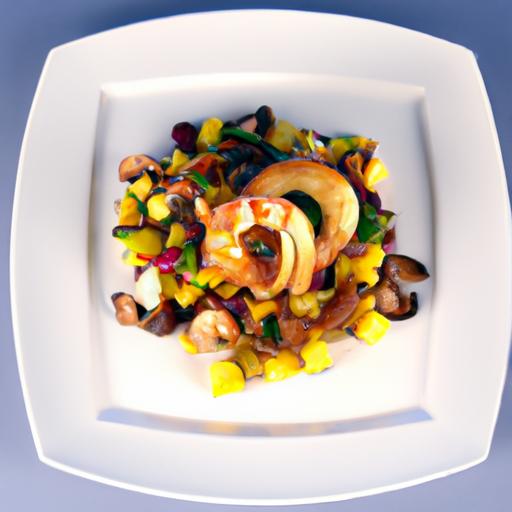

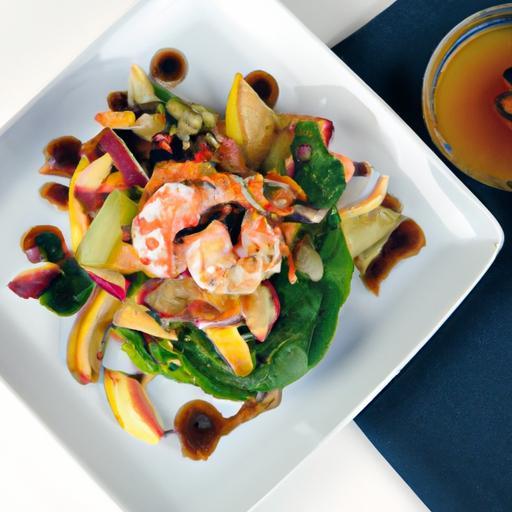
There’s a story behind every wave that brings a bounty of wild-caught seafood to our plates-a tale of untamed waters, skilled hands, and nature’s most vibrant flavors. “Savor the Ocean: Discovering Wild-Caught Seafood meals” invites you to dive into this captivating world, where freshness meets tradition and sustainability dances with taste.
From crisp, briny oysters to tender, flaky fish, wild-caught seafood offers not just a meal but a journey that connects us to the rhythms of the sea. Join us as we explore the delights,benefits,and secrets of savoring the ocean’s finest treasures straight from its depths.
Savor the Ocean: Discovering Wild-Caught Seafood Meals opens up a world where the freshest bounty from the sea is transformed into unusual dishes that celebrate nature’s finest flavors. My love for wild-caught seafood began on a sunlit Maine dockside, where fishermen brought in glistening, just-netted cod and lobsters, igniting a passion for crafting meals that honor sustainability and seasonality.
This recipe, inspired by coastal traditions and modern techniques, invites you to experience the essence of ocean freshness at home.
Prep and Cook Time
Planning: 20 minutes | Cooking: 15 minutes | total: 35 minutes
Yield
Serves 4
Difficulty level
Medium – Ideal for home cooks seeking to elevate seafood with approachable yet refined techniques
Ingredients
- 1 lb wild-caught cod fillets, skin removed and patted dry
- 2 tbsp extra-virgin olive oil, cold pressed for flavor
- 1 lemon, zest and juice separated
- 3 cloves garlic, finely minced
- 1 tsp smoked paprika
- 1 tbsp fresh parsley, finely chopped
- Salt and freshly ground black pepper, to taste
- 1 cup seasonal baby spinach, roughly chopped
- 1/2 cup cherry tomatoes, halved
- 1 tbsp unsalted butter, room temperature
- optional: A pinch of red chili flakes for heat
Instructions
- Marinate the Cod: In a large bowl, combine the olive oil, lemon zest, garlic, smoked paprika, salt, and black pepper. Toss the cod fillets gently to coat and let them rest for 10 minutes to absorb the aromatic marinade.
- Preheat the Pan: Heat a non-stick skillet over medium-high heat. Add the butter and swirl until melted and foamy.
- Cook the Cod: Place the marinated cod fillets carefully into the pan. Sauté without moving them for about 4 minutes until a golden crust forms.Flip the fillets gently and cook for another 3-4 minutes until the fish flakes easily with a fork.
- Sauté the Vegetables: Push the fish to one side of the skillet.Add baby spinach and cherry tomatoes to the empty side. Sauté for 2-3 minutes until spinach is wilted but still vibrant, and tomatoes soften slightly.
- Finish with Lemon Juice: Drizzle the fresh lemon juice over the entire pan, melding the bright acidity with the rich flavors. Sprinkle chopped parsley and optional chili flakes for a subtle kick.
- Plate and Serve: Transfer the cod fillets onto warmed serving plates. Spoon the sautéed spinach and tomatoes alongside. Garnish with additional lemon wedges and a sprinkle of parsley for freshness and color contrast.
Tips for Success
- Choose cod or any other wild-caught fish labeled sustainably sourced to support ocean health. Check the [Marine Stewardship Council’s guide](https://www.msc.org/) for certified options.
- Pat your fish dry before marinating to ensure a crisp crust when seared.
- If fresh cod is unavailable, wild-caught haddock or pollock make excellent substitutes.
- Control heat carefully to avoid overcooking; fish continues to cook slightly after removal from heat.
- Make ahead: Marinate the fish up to 2 hours before cooking to deepen flavor without compromising texture.
Serving Suggestions
Present this dish with a side of herbed wild rice pilaf to enhance the meal’s oceanic theme. A crisp glass of Sauvignon Blanc or a chilled lager complements the lemony brightness and subtle smokiness.
For garnish, sprinkle toasted pine nuts and thinly sliced scallions across the plate. The colorful burst of cherry tomatoes against the white fillets makes the dish visually stunning-perfect for impressing dinner guests or savoring a mindful weeknight dinner.

| Nutrient | Per Serving |
|---|---|
| Calories | 240 kcal |
| Protein | 35 g |
| Carbohydrates | 6 g |
| Fat | 7 g |
Q&A
Q&A: Savor the Ocean – Discovering Wild-caught Seafood Meals
Q1: What makes wild-caught seafood different from farmed seafood?
A1: Wild-caught seafood is harvested from natural habitats like oceans, rivers, and lakes, allowing fish and shellfish to grow in their native ecosystems. This often results in a more varied diet and natural exercise, contributing to firmer texture and richer, sometimes more complex flavors compared to farmed varieties. Farmed seafood, conversely, is raised in controlled environments, wich can affect taste and nutritional content.
Q2: Why should I choose wild-caught seafood when cooking at home?
A2: choosing wild-caught seafood means you’re indulging in the pure essence of the sea, often with fewer additives and interventions. Wild-caught options typically offer more authentic flavor profiles, higher omega-3 fatty acids, and a diversity that turns every meal into an oceanic adventure. Plus, many wild-caught sources practice enduring harvesting that supports healthy marine ecosystems.
Q3: How can I tell if wild-caught seafood is fresh and high-quality?
A3: Fresh wild-caught seafood frequently enough has bright, clear eyes (if whole), shiny and moist skin, and a mild, ocean-like scent-not fishy or sour. Flesh should be firm to the touch and bounce back when pressed. When buying fillets or shellfish, look for vibrant color and minimal discoloration. Trust your local fishmonger or reputable seafood market for the freshest catch.
Q4: What are some popular wild-caught seafood choices to explore?
A4: The ocean is a treasure trove! Popular wild-caught seafood includes Alaskan wild salmon,cod,halibut,black sea bass,blue crab,and scallops.Each brings its own unique texture and taste – from the buttery richness of wild salmon to the sweet brininess of fresh scallops. Try mixing varieties to create layered flavor experiences.
Q5: Are wild-caught seafood meals harder to prepare than farmed ones?
A5: Not at all! While wild-caught seafood might have leaner flesh or more variable sizes, basics like grilling, searing, steaming, or baking work beautifully. Their natural flavors frequently enough need minimal seasoning-sometimes just a sprinkle of sea salt, a squeeze of lemon, and a drizzle of olive oil. the key is to respect the integrity of the catch and avoid overpowering it.
Q6: How can I incorporate wild-caught seafood into everyday meals creatively?
A6: Think beyond the usual! Toss wild shrimp into zesty tacos, flake wild salmon into hearty grain bowls, or simmer wild cod in fragrant broths. Wild mussels steamed with white wine and garlic make an unforgettable starter. Each dish is an opportunity to connect with the ocean’s bounty and nourish your body with nature’s finest.
Q7: Is wild-caught seafood environmentally sustainable?
A7: When sourced responsibly, yes! Many wild fisheries adhere to strict regulations and quotas to ensure populations remain healthy and oceans vibrant. Look for certifications like MSC (Marine Stewardship Council) to guide your choices. By savoring wild-caught seafood thoughtfully, you help support ecosystems and fishing communities that protect the ocean’s future.
Q8: What tips do you have for beginners wanting to explore wild-caught seafood?
A8: Start simple-purchase fresh wild-caught fillets from trusted vendors and try straightforward recipes like pan-seared salmon or grilled trout.Experiment with herbs and citrus to enhance natural flavors without complexity. Embrace the seasonality; ask about the freshest catch of the day and get inspired by what’s locally available. most importantly,savor each bite and let the ocean’s story unfold on your plate.
Dive into the world of wild-caught seafood and let each meal be a celebration of oceanic freshness, flavor, and sustainability. Your taste buds-and the sea-will thank you!
In Retrospect
As the waves continue their timeless dance and the ocean’s bounty graces our plates, savoring wild-caught seafood becomes more than just a meal-it’s a celebration of nature’s rhythm and resilience. Each bite connects us to distant shores and untamed waters, reminding us of the delicate balance between flavor and sustainability. So, next time you indulge in the fresh, briny taste of wild seafood, savor not only its flavorful complexity but also the story it carries-from deep beneath the surface to your very table. Embrace the adventure, honor the ocean, and let every dish be a tribute to the wild spirit of the sea.